As an Amazon Associate, we earn from qualifying purchases. Some links on this site are affiliate links at no extra cost to you. Our recommendations are based on thorough research and editorial judgment.


When Should You Check Weather Conditions Before Paddling?

For safe paddling, we need to check weather conditions at multiple key times! Start by reviewing forecasts 3-7 days ahead to spot major weather systems, then check again the evening before to plan appropriately. A few hours before launch, verify current conditions using apps like Windy.app and NOAA forecasts. Finally, conduct an on-site assessment right before launching – checking wind, waves, and visibility. The more weather data points we gather, the better prepared we’ll be for whatever Mother Nature throws our way.
Key Takeaways
- Check weather conditions the evening before your planned paddling trip to allow time for schedule adjustments.
- Verify detailed forecasts 3-7 days in advance to identify major weather systems that could impact your trip.
- Review updated forecasts the morning of your trip for specific local conditions and changes.
- Monitor hourly forecasts 1-3 hours before launch time for immediate weather developments.
- Conduct a final on-site assessment immediately before launching to observe actual wind direction and wave patterns.
Essential Weather Checks Before Your Launch
When it comes to pre-launch checks, we’ve got a clear strategy for weather safety. Start by checking conditions the evening before – this gives us time to adjust plans if needed.
A few hours before launch, we’ll want to recheck those forecasts. Weather can be sneaky, right?
Here’s our must-do checklist:
- Verify wind speeds are under 10 knots
- Check tide charts and current conditions
- Look for any thunderstorm risks
- Assess visibility factors like fog
- Monitor water levels and potential hazards
Don’t forget to do a quick on-site assessment right before launching! We’re looking at wind direction, wave patterns, and cloud formations. Remember: those beautiful puffy clouds can turn dark faster than you can say “where’s my paddle?” It’s crucial to recognize that weather conditions can significantly impact your kayaking experience, much like how hull design influences stability.
Recommended Products

FUN ON THE WATER: The YAKport Kayak Launch makes water activities accessible to all ages and experience levels; Spend more time on the water by easily launching your kayak, canoe, or stand-up paddle board
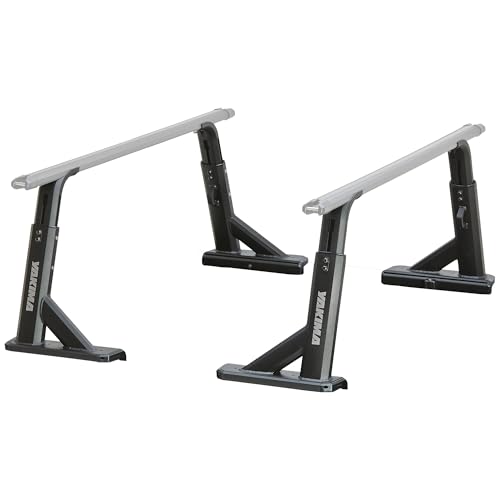
Versatile Truck Rack System: Elevate your hauling game with Yakima's Overhaul HD rack system, ideal for carrying rooftop cargo, kayaks, or ladders on trucks and pickups.
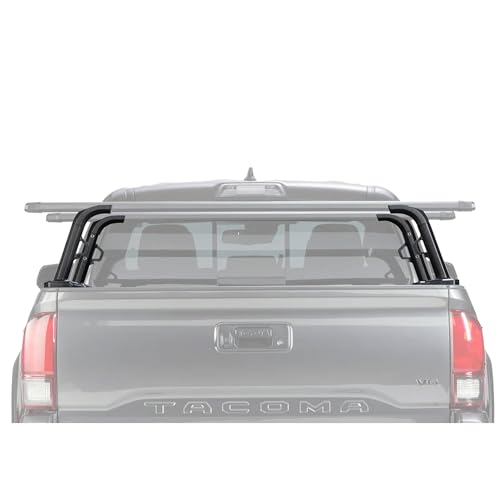
Versatile Truck Rack System: Elevate your hauling game with Yakima's Outpost HD (towers only) rack system, ideal for carrying rooftop cargo, kayaks, or ladders on trucks and pickups.
Weather Apps and Tools for Paddlers
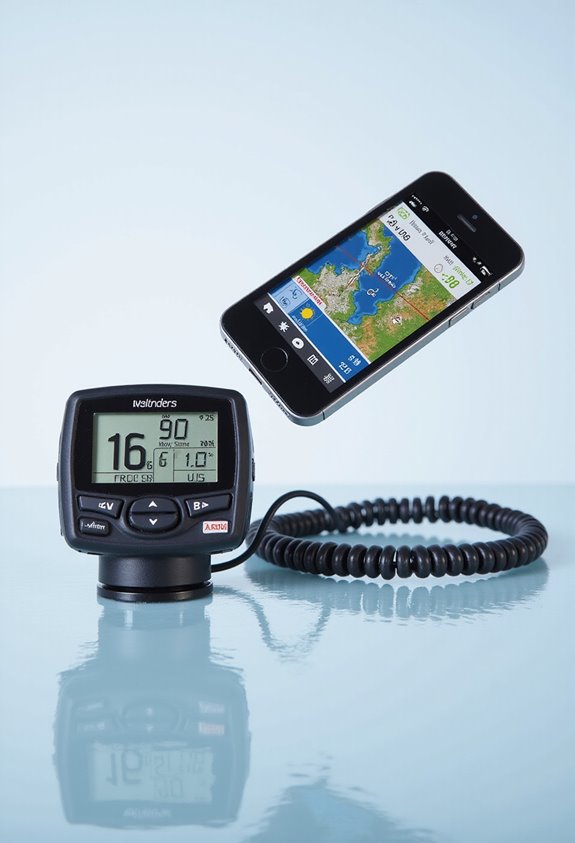
While old-school paddlers relied on weather vanes and gut feelings, today’s tech gives us incredible tools right at our fingertips!
Let’s look at some top weather app features that’ll keep us safe on the water. Windy.app stands out as a paddler’s favorite, with detailed wind and wave forecasts that have earned it global recognition. For river enthusiasts, River Data tracks water levels, while Tides Near Me has got our ocean paddling covered!
Want to be extra prepared? Many experienced paddlers combine multiple apps to cross-check conditions. We love using MyRadar for storm tracking alongside NOAA forecasts for the most accurate picture. Using weather apps becomes even more crucial when paddling on flat-water conditions, as they help ensure safety and optimal enjoyment on your bamboo SUP board.
Recommended Products
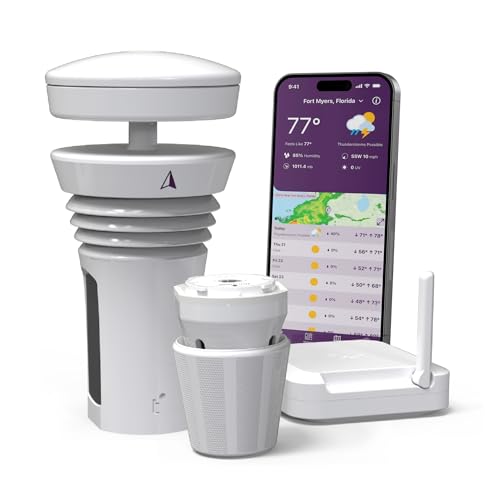
Featured in Better Homes & Gardens, Popular Mechanics, The Spruce and Wired, the Tempest Weather Station is trusted by leading experts and loved by more than 85,000 users who rely on it for accurate, hyper-local weather every day.

NO MOVING PARTS: Ultrasonic wind and haptic rain gauges with no moving parts ensure durability and low maintenance.

LIGHTEST OUTDOOR WATCH WITH ULTRA LONG BATTERY LIFE: Up to 40h battery life with full GPS and HR tracking (even up to 100h with power save options), up to 7 days in watch mode with 24/7 HR. At 64 grams, Grit X weights 20-30% less than usual outdoor watches.
Understanding Weather Warning Signs

Now that we’ve got our weather apps ready, let’s sharpen our skills in spotting Mother Nature’s own warning signs!
Beyond weather observation and radar interpretation, nature gives us clear signals when conditions are becoming dangerous. Watch for:
- Winds above 12-15 mph creating whitecaps – that’s your cue to head back!
- Sudden increases in bird activity or insects flying low
- Strange changes in how sound travels across the water
- Unexpected shifts in wind direction or strength
For paddlers, recognizing these warning signs can make all the difference. When winds reach Small Craft Advisory levels (24-38 mph), it’s definitely time to get off the water.
Remember: Fog, floods, and approaching storms all have their telltale indicators. The more we train ourselves to spot these signals, the safer we’ll be on our paddling adventures! Additionally, wearing a proper coiled SUP leash can enhance your safety while navigating unpredictable conditions.
Timing Your Weather Monitoring
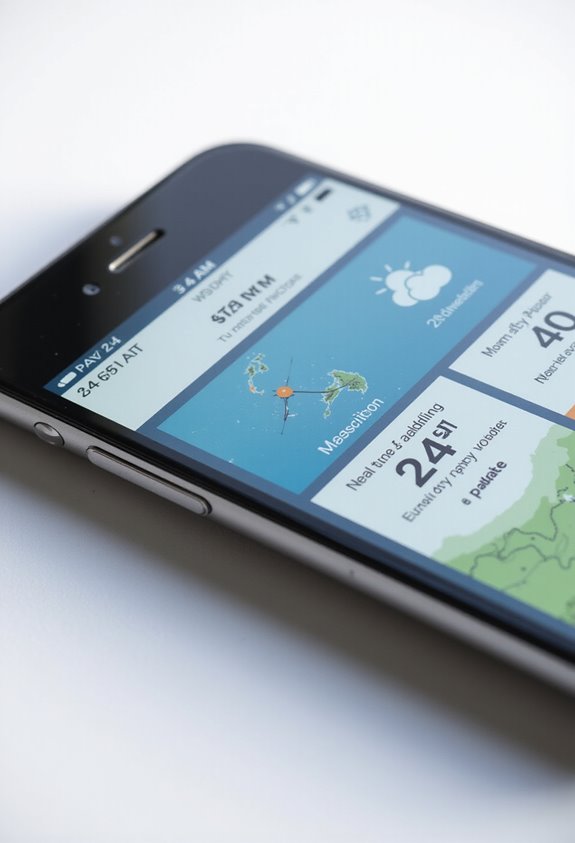
Successful paddling adventures start with knowing exactly when to check those weather forecasts!
We’ve found that effective weather monitoring follows a strategic timeline. Start with advanced forecasting 3-7 days out to spot major weather systems that might affect your paddling plans. Who wants to discover a week-long storm system the night before?
The morning of your trip, immerse yourself in those detailed forecasts. Check wind speeds, precipitation chances, and tide charts if you’re coastal paddling.
In the essential 1-3 hours before launch, stay glued to hourly updates. Apps like Windy.com and NOAA Marine Forecast become your best friends here! Keep in mind that the time of day can significantly influence conditions, especially if you’re considering factors like twin-arched multi-chine hulls which enhance stability during paddling.
Don’t forget about seasonal timing too. Summer mornings are typically calmer than those stormy afternoons, and we all know trying to paddle against unexpected afternoon winds is no fun!
Safety Gear Based on Weather Forecasts

Once you’ve got those weather forecasts dialed in, it’s time to match your safety gear to the conditions!
Let’s start with PFD selection – this isn’t just about grabbing any life jacket! We need to choose one that works with our weather-appropriate clothing layers. For cold conditions, make sure your PFD fits comfortably over that wetsuit or drysuit. Going for high-visibility colors? Even better!
Think of your gear like a weather shield. In sunny conditions, we’ll want moisture-wicking layers and UV protection. For cold weather? Layer up with neoprene boots, gloves, and caps. Opt for a U.S. Coast Guard-approved life jacket to ensure maximum safety during your paddling adventures.
Don’t forget those extremities! Proper footwear is essential – water shoes for warm days, neoprene boots for cold ones. And always pack that sunscreen and rain gear, because Mother Nature loves to keep us guessing!
Recommended Products

United States Coast Guard Type III Approval

Re-arm kit is appropriate for use with Bluestorm Stratus 35 automatic life jacket/personal flotation device (PFD)

Approval: USCG - UL1197 - Immersion Suits 160.171 - USCG/MED SOLAS 2010
Cold Water Paddling Precautions
While paddling in cold water demands extra vigilance, we’ve got the essential precautions to keep you safe!
Let’s tackle those cold water risks head-on. First, always check water temperatures before launching – anything below 70°F requires serious consideration. Remember, we lose heat way faster in water than air!
Here’s your must-do checklist:
- Dress for immersion in proper wetsuit/drysuit
- Paddle close to shore
- Bring a buddy (solo paddling in cold water? That’s a hard no!)
- Practice those self-rescue skills
Hypothermia awareness is vital – watch for early warning signs like shivering or confused thinking. Can’t feel your fingers? Time to head in!
Don’t forget to inform someone of your plans and expected return time. We want you back on shore with nothing but great paddling stories to tell! Additionally, ensure you’re familiar with essential safety gear to enhance your overall paddling experience.
Storm and Lightning Safety Protocols
Since Mother Nature doesn’t always play nice with paddlers, staying ahead of storms and lightning isn’t just smart – it’s essential for survival! Let’s talk serious storm preparedness.
We’ve got to check those forecasts before launching and keep monitoring while we’re out there. Remember: when thunder roars, get off the water – pronto! Lightning can strike from miles away, and water conducts electricity better than land.
Lightning safety means seeking proper shelter immediately. Not under that lonely tree (unless you want to become a shocking statistic)! Head for substantial buildings or vehicles instead.
Here’s our 30-minute rule: after the last rumble of thunder, wait it out. No exceptions! Keep those weather radios handy, and always have a back-up plan for quick exits. Mother Nature might crash our paddling party, but she won’t catch us unprepared! Additionally, ensure to have a plan that includes monitoring adjustable lengths for your carbon fiber paddle to accommodate quick exits.
Recommended Products
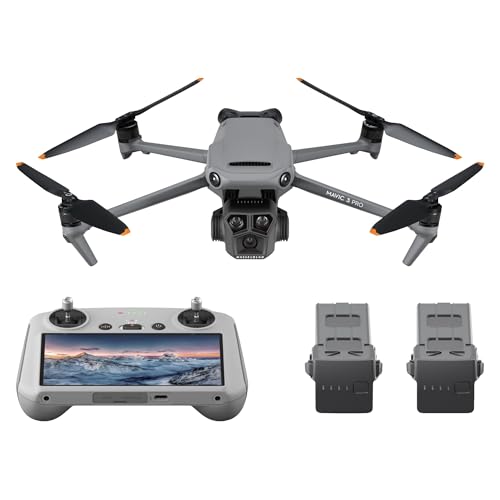
Hasselblad Main Camera - Mavic 3 Pro has a 4/3 CMOS sensor, 24mm format equivalent, f/2.8-f/11, 20 MP. The Hasselblad 4K drone camera supports shooting RAW photos with a dynamic range of up to 12.8 stops.
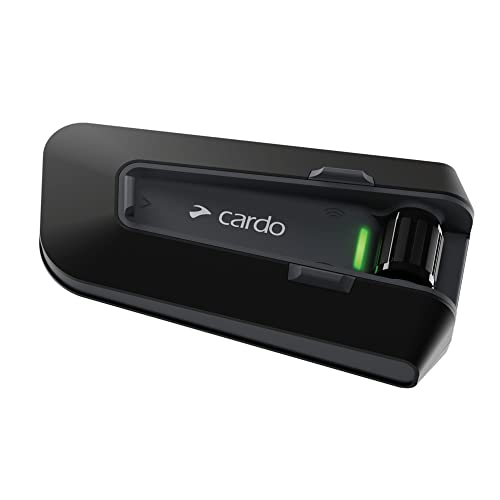
WATERPROOF. No matter what you throw at it, your waterproof PACKTALK NEO will take the beating and keep you connected. Rain, shine, mud, dust or snow.
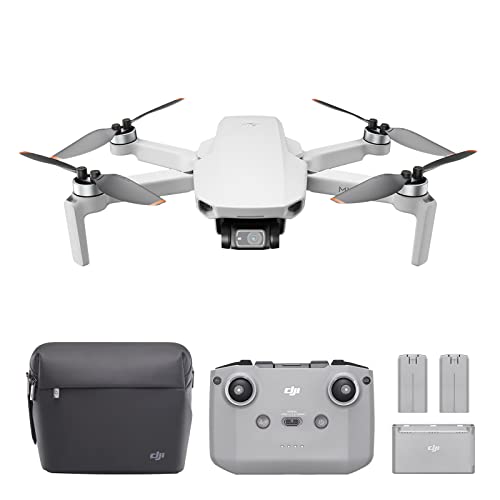
PACK LIGHT, FLY FREE: at less than 249 g, it weighs about as much as an apple and fits in the palm of your hand. compact and convenient, this small drone is your ideal travel companion, transforming how you capture your favorite memories.Max Wind Speed Resistance : 8.5-10.5 m/s (Scale 5).Operating Temperature : 0° to 40°C (32° to 104°F), Operating Frequency [2] : 2.400-2.4835 GHz, 5.725-5.850 GHz..Max Control Speed (tilt) : 100°/s. Shutter Speed : Electronic Shutter: 4-1/8000 s.
Wind and Wave Assessment Guidelines
Before you dip that paddle into the water, let’s talk about reading those wind and wave conditions like a pro!
Wind thresholds are your first checkpoint. We’ll want to see speeds under 17 knots for most paddlers – that’s when things start getting dicey! For beginners, stick to winds under 15 knots.
Wave height is equally important. Here’s what we’re looking for:
- Under 0.5 meters for general paddling
- 1-2 feet for skill assessments
- Less than 0.5 meters in surf zones
Think of waves and wind as dance partners – they need to work together! When checking conditions, we’re looking for that sweet spot where both elements align. Remember, even experienced paddlers should reassess when winds climb above 27 knots or waves exceed two feet.
Always ensure you’re equipped with proper gear, including durability features that can withstand tough weather conditions. Apps like Windfinder can be your best friend here. Check them religiously!
Seasonal Weather Considerations
As seasons change throughout the year, we’ve got to adapt our paddling strategies to stay safe on the water!
Temperature awareness is critical – especially in spring when warm air tricks us into thinking the water’s warmer than it is. Those 40-50°F waters can be dangerous!
Here’s what we need to watch for each season:
- Spring: Cold water + unpredictable runoff = extra caution needed
- Summer: Monitor winds over 10 knots and stay alert for sudden gusts
- Fall/Winter: Always wear proper cold-water gear and buddy up
Remember to check both air and water temperatures before heading out. We’ll want wetsuits or drysuits when water dips below 70°F – yes, even if it feels like tank-top weather on shore!
Moreover, you should ensure you have a kayak designed for stability and comfort to handle changing weather conditions effectively.
Have you mapped your seasonal paddling plans? Let’s make smart choices based on Mother Nature’s moods.
Emergency Response in Changing Conditions
While we’re out enjoying peaceful paddling adventures, Mother Nature can flip the switch in an instant! That’s why we need to be ready with practiced emergency drills and rescue techniques before trouble strikes.
When conditions deteriorate, here’s our action plan:
- Immediately tighten group formation
- Switch to emergency communication protocols
- Deploy our designated lead and sweep boats
- Get survival gear within arm’s reach
Let’s face it – nobody wants to practice capsizing in cold water, but those self-rescue drills could save our lives! By regularly training for worst-case scenarios, we’ll stay calm and coordinated when challenges arise.
It’s essential to monitor weather conditions to avoid potential hazards and ensure a safe paddling experience.
Remember: Our response time is critical! We’ll maintain visual contact between boats, relay hazard signals quickly, and keep our emergency gear accessible. Working as a team, we’re prepared for whatever Mother Nature throws our way.
Frequently Asked Questions
How Does Altitude Affect Weather Conditions for Paddling?
Pristine peaks produce peculiar altitude effects on our paddling plans. We’ll notice less pressure, cooler temps, and rapidly changing conditions at higher elevations, making weather forecasting trickier. That’s why we’ll pack extra gear.
Can Local Wildlife Behavior Predict Incoming Weather Changes While Paddling?
Yes, we can observe wildlife signs like birds flying lower or fish swimming deeper as reliable weather indicators. These animal behaviors often signal incoming storms, though we shouldn’t rely solely on them for safety.
How Do Different Paddle Materials Perform in Extreme Weather Conditions?
While we might think all paddles are equal, they’re not. Carbon fiber paddles maintain peak performance in extreme weather, but fiberglass options can weaken. We’ve found EVA foam cores need extra protection against moisture exposure.
What Role Do Tides Play in Weather Patterns for Coastal Paddling?
We’ll see tide cycles strongly influence local wind and wave patterns, while tidal currents interact with weather systems. They create unique conditions affecting water levels, currents, and wave intensity along our coastal paddling routes.
Does Water Pollution Affect How Weather Impacts Paddling Conditions?
Like a murky crystal ball, we’ve learned that pollution drastically alters how weather affects our paddling conditions. We must prioritize water safety through pollution monitoring, as contaminants intensify weather-related risks on the water.


