As an Amazon Associate, we earn from qualifying purchases. Some links on this site are affiliate links at no extra cost to you. Our recommendations are based on thorough research and editorial judgment.


How To Choose Between Carbon Fiber And Aluminum Paddles?

When choosing between carbon fiber and aluminum paddles, we’ll want to evaluate three key factors. Carbon fiber paddles are lighter (400-700g) and offer better performance but come at a higher price ($199+) and can crack under impact. Aluminum paddles are heavier (700-1100g) but more durable and budget-friendly ($30-65), making them ideal for beginners. Your choice should align with your experience level, paddling environment, and investment comfort – but there’s much more to explore about each option’s unique advantages.
Key Takeaways
- Consider your budget, as aluminum paddles ($30-65) are more affordable for beginners compared to carbon fiber options ($199+).
- Evaluate your paddling environment – aluminum is better for rough conditions while carbon fiber excels in controlled settings.
- Factor in weight preferences, with carbon fiber paddles (400-700g) being significantly lighter than aluminum ones (700-1100g).
- Match your experience level – beginners suit aluminum paddles while intermediate and advanced players benefit from carbon fiber’s precision.
- Assess usage frequency – frequent paddlers justify carbon fiber’s performance benefits while occasional paddlers may prefer aluminum’s durability.
Understanding Weight Impact on Performance
Two key factors dominate the carbon fiber vs. aluminum paddle debate, and weight sits right at the top!
Let’s talk weight efficiency – carbon fiber paddles typically weigh 400-700 grams, while aluminum ones can tip the scales at 700-1100 grams. Why does this matter? Every extra ounce affects your performance!
Think about it: with hundreds of strokes per session, that weight difference becomes essential for fatigue reduction. We’ve seen how lighter carbon fiber paddles allow paddlers to:
- Maintain higher stroke rates
- Make quicker adjustments on the water
- Paddle longer without tiring
For beginners, aluminum’s extra weight might not seem significant at first. But as your technique improves and distances increase, you’ll notice the difference. Want to paddle faster and longer? The lightweight advantage of carbon fiber could be your game-changer! Additionally, choosing the right paddle length based on your height and kayak width is crucial for optimizing your paddling efficiency.
Material Strength and Durability Comparison

Durability makes an essential difference when you’re choosing between carbon fiber and aluminum paddles!
Let’s break down the impact resistance of each material. Carbon fiber offers incredible stiffness and maintains its shape beautifully during normal use, but it can crack or shatter under sudden impacts. Think of it as a professional athlete – powerful but potentially vulnerable to the wrong hit!
Aluminum, on the other hand, is like a reliable workhorse. It’ll bend rather than break, absorbing those inevitable bumps and knocks you’ll encounter on the water.
For long term durability, we’re looking at two different aging patterns:
- Carbon fiber stays strong until it suddenly fails
- Aluminum gradually wears down, giving you warning signs
Moreover, lightweight construction typically found in carbon paddles can significantly reduce fatigue, enhancing your overall paddling experience.
Want our verdict? Choose carbon fiber for controlled conditions, aluminum for rough adventures!
Recommended Products

A strong and durable high-angle blade design delivers plenty of purchase to propel even the heaviest sit-on-top fishing kayak
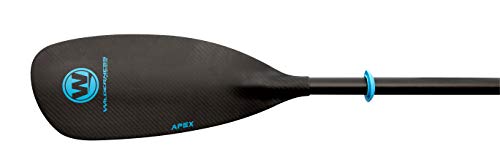
Designed to deliver maximum boat control for recreational and touring paddlers
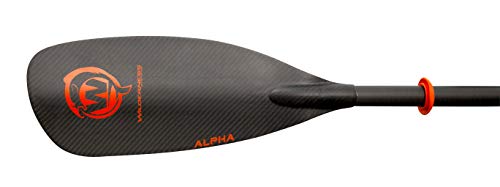
Features a powerful and aggressive blade design - the perfect choice for the hardworking Angler poised to fish in all conditions.
Cost Analysis and Budget Considerations

When you’re comparing paddle prices, the difference between carbon fiber and aluminum can feel like choosing between a luxury car and a reliable sedan! Let’s break down this cost benefit analysis to help you make the smartest choice for your needs.
Aluminum paddles are budget-friendly champions, typically ranging from $30-65. They’re perfect for beginners or occasional paddlers working within budget constraints.
Carbon fiber paddles, while pricier at $199+, can be worth the investment for serious enthusiasts. Why? They’re lighter, faster, and can actually improve your performance by up to 1 mph! Additionally, carbon fiber paddles offer lightweight performance that can enhance your overall paddling experience.
Here’s our practical advice: if you’re paddling weekly or racing, spring for carbon fiber. For casual summer fun or family outings, stick with aluminum. Remember – the best paddle isn’t always the most expensive one, but rather the one that matches your paddling goals and frequency of use!
Recommended Products

Fiberglass Blade, Low Angle Design, & Bent Shaft | Kayak paddle provides Werner’s most popular, award-winning blade as well as a low angle for touring.

【All Carbon Paddle】Ultralight and ultra-stiff paddle (25.04+/-1.76oz) is formed by multi-layer carbon fiber. Carbon fiber of paddle shaft is medium stiffness by dry winding.

Designed to deliver maximum boat control for recreational and touring paddlers
Player Experience Level Guidelines

For skill development, we see a clear player progression pattern. Intermediate players often shift to carbon fiber as they refine their technique and seek more control.
Advanced preferences strongly favor carbon fiber paddles. Why? The enhanced feedback and precision are essential for high-level play!
Remember, juniors and recreational players have unique considerations too. While juniors benefit from lightweight aluminum‘s gentler learning curve, recreational players can choose based on their commitment level and budget.
The key? Match your paddle’s material to your current abilities!
Power Vs Control: Making the Right Choice

Understanding the delicate balance between power and control can revolutionize your paddle selection!
When it comes to power dynamics, aluminum paddles pack quite a punch with their natural momentum and energy transfer. However, they’ll have you working harder due to increased vibration and weight.
Carbon fiber offers the sweet spot we’re often looking for! Its lightweight design (400-700 grams) enables quick movements and precision shots, while still maintaining impressive power through efficient energy redistribution. Additionally, opting for lighter options under 1.5 lbs contributes to better overall paddling experience.
Want the best of both worlds? Here’s what to evaluate:
- For power-focused play: Aluminum’s 700-1100 gram weight delivers natural force.
- For control mastery: Carbon fiber’s superior ball feedback and enlarged sweet spot.
- For endurance: Carbon fiber’s reduced vibration keeps you fresh longer.
The choice ultimately depends on whether you prioritize raw power or finesse in your game!
Recommended Products

With advanced pump jet technology, Vapor delivers unparalleled power, thrust, and speed
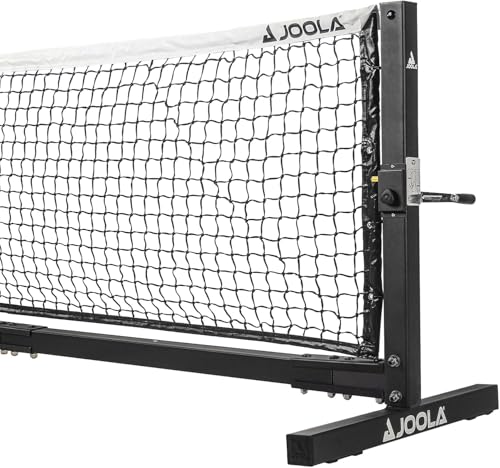
OFFICIAL PADDLE SPONSOR OF WORLD #1 PICKLEBALL PLAYER BEN JOHNS & THE PPA TOUR: An innovator & global leader in table tennis for 70+ years, JOOLA teams up with Ben Johns to create a new line of pickleball equipment that will forever change the game

RUGGED, RIGID ALL DROP SITICH CONSTRUCTION - Provides the rigid feel and the paddling speed of a traditional rigid kayak, yet packs in the smallest car trunk or in the corner of a closet. The 473 RazorLite can be paddled up to 5 mph. Featuring New Graphics, Tie-Down loops, Carry Handles and Flexbrace2
Long-Term Investment Benefits
Although the upfront cost of a carbon fiber paddle might make you hesitate, let’s break down why it’s often the smarter long-term investment!
When properly maintained, carbon fiber paddles deliver consistent performance for 3+ years, making their investment value shine through extended use. Sure, they need a bit more TLC, but the payoff is worth it!
Long term benefits of carbon fiber include:
- Maintains precise shot control over time
- Noticeably lighter weight reduces fatigue
- Excellent fatigue resistance preserves performance
However, if you’re rough on equipment or paddle in extreme conditions, aluminum’s durability might offer better investment value. These workhorses require minimal maintenance and resist damage from impacts, temperature changes, and moisture.
Additionally, durability and construction of fiberglass SUPs enhances longevity, which can complement your choice of paddle material. The choice comes down to your playing style and care habits – choose wisely!
Weather and Environmental Effects
The weather conditions you paddle in can make or break your paddle choice! Let’s explore how each material holds up in different environments.
When it comes to weather adaptability, carbon fiber shines in temperature control – no more freezing hands in winter! These lightweight paddles maintain their rigidity across various conditions, though strong winds can be tricky to manage. Additionally, a properly sized paddle enhances paddling efficiency, reducing energy expenditure during your outings.
Environmental resilience is where aluminum takes the lead. It’s your go-to choice for rough waters and rocky encounters! Aluminum handles temperature extremes like a champ, though it can get uncomfortably cold or hot to hold.
What’s your typical paddling scenario? For calm waters and controlled environments, carbon fiber’s your friend. But if you’re battling debris, rocks, or unpredictable conditions, aluminum’s durability might be worth the extra weight.
Maintenance Requirements and Care Tips
Since your paddle’s lifespan depends heavily on proper care, let’s explore the essential maintenance tips that’ll keep it performing at its best!
Let’s start with cleaning techniques. For carbon fiber paddles, we’ll want to use mild soap and water with a gentle touch – think of washing a newborn baby! Aluminum paddles can handle a bit more elbow grease if needed.
Storage suggestions are vital for both types. We recommend keeping carbon fiber paddles in a cool, dry place away from sunlight. Your aluminum paddle needs a dry spot too, but it’s less sensitive to temperature changes. Additionally, consider using gel kayak seat cushions to enhance your comfort during longer paddling sessions.
Quick tips for both types:
- Clean after every use, especially post-saltwater adventures
- Use protective covers during transport
- Store off the ground
- Regularly inspect for damage
- Keep moving parts lubricated
Remember: A well-maintained paddle is a happy paddle!
Recommended Products


Engineered for All-Day Comfort: Upgrade your kayak seat with the Kayak Kushion - crafted with silicone-infused foam that provides firm yet flexible support for long paddling sessions. Improves circulation, avoids fatigue, numb legs, and sore backs. Built with our SIL-CUSH support system, this cushion is engineered to outperform standard foam or gel alternatives - reducing pressure points and preventing the heat buildup commonly associated with gel pads.

Rich and Complete Set: you will receive 2 pieces of kayak seat cushions, along with 8 D rings, 8 pieces of screws, 8 pieces of nuts, enough to satisfy your daily using and replacing needs; Use D rings to fasten the backrest's webbing straps front and back to the kayak to secure the seat
Competition Vs Recreational Use
Whether you’re racing competitively or paddling leisurely on a Sunday afternoon, choosing between carbon fiber and aluminum paddles comes down to your specific needs!
For serious competitors, the paddle type is essential. Carbon fiber paddles give you a significant edge with their lightweight design and superior stroke efficiency – perfect for those photo-finish moments!
Recreational paddlers, we’ve got different priorities. Aluminum paddles offer fantastic durability at a fraction of the cost. Why pay premium prices when you’re just enjoying a relaxing day on the water?
Your competition level should guide your choice:
- Racing regularly? Go carbon fiber for that performance boost
- Weekend warrior? Stick with reliable aluminum
- Training for competitions? Consider starting with aluminum and upgrading as your skills advance
Selecting the right paddle type greatly influences your paddling efficiency, ensuring you can paddle with confidence, whatever your goals!
Recommended Products

One-piece Carbon Fiber Paddle: Crafted entirely from carbon fiber, these paddles weigh only 1.3lb, offering a lighter and more durable alternative to wooden kayak paddles. They also have stronger corrosion resistance to saltwater.

One-piece Carbon Fiber Paddle: Crafted entirely from carbon fiber, these paddles weigh only 1.3lb, offering a lighter and more durable alternative to wooden kayak paddles. They also have stronger corrosion resistance to saltwater.

【All Carbon Fiber Paddle】Ultralight and ultra-stiff. Bent shaft: about 750g(26.5oz). Carbon blade is formed by multi-layer carbon fiber. Carbon paddle shaft reaches medium stiffness by dry winding.
Energy Transfer and Stroke Efficiency
When it comes to stroke power, carbon fiber‘s incredible stiffness makes it the clear winner. Its rigid structure transfers nearly all your energy directly into forward momentum – talk about efficiency!
We’re seeing a huge difference in energy efficiency between these materials. Carbon fiber’s lightweight design (400-700g) means you’ll maintain powerful strokes longer, while aluminum’s extra weight (700-1100g) can leave your arms feeling like noodles.
Think about it this way: carbon fiber acts like a direct power line, while aluminum’s flexibility creates a bit of a detour for your energy. Those vibrations you feel with aluminum? That’s actually wasted energy that could be propelling you forward! Additionally, regular paddle maintenance ensures optimal performance and longevity, making carbon fiber a more sustainable choice for avid kayakers.
Comfort and Fatigue Management
When paddling for hours on end, comfort becomes your best friend and fatigue your worst enemy!
We’ve found that carbon fiber paddles give us a significant edge in performance ergonomics. At 400-700 grams, they’re noticeably lighter than aluminum paddles, which means less arm fatigue with every stroke.
Think about it – those thousands of paddle strokes add up! Carbon fiber’s superior thermal comfort means no more freezing hands in winter or scorching grips in summer.
What’s even better? The vibration dampening is incredible! With up to 72% reduction in shock transfer through specialized cores and padding, your arms will thank you after a long day on the water.
Let’s not forget the ergonomic grip designs and cushioning that come standard with carbon fiber paddles. Your wrists and shoulders will stay fresher, longer!
Frequently Asked Questions
Can I Mix Carbon Fiber and Aluminum Paddle Parts for Customization?
You’re in the driver’s seat! We can help you mix carbon fiber and aluminum parts for endless customization options. Let’s blend their strengths for your perfect performance comparison, though maintenance will need extra attention.
How Do Paddle Materials Affect Sound During Play?
We’ll notice aluminum paddles create louder “ping” sounds, while carbon fiber offers better vibration control and quieter sound quality. This makes carbon fiber ideal when we’re playing in noise-sensitive areas or prefer minimal distraction.
Are There Color and Design Limitations Between Carbon Fiber and Aluminum?
Like a blank canvas, carbon fiber offers endless color variety and design flexibility with its woven patterns. While we can still customize aluminum through anodizing and paint, it’s more limited and prone to wear.
Do Temperature Changes Affect Paddle Performance Differently Between Materials?
Yes, we’ll find that temperature impact varies considerably. Aluminum conducts cold/heat more readily and has higher thermal expansion, while carbon fiber maintains more consistent performance and comfort across temperature ranges due to lower thermal conductivity.
What Certification Standards Apply to Carbon Fiber Versus Aluminum Paddles?
While you might expect major certification differences, we’ve found USAPA standards are actually identical for both materials. They’re tested equally for material safety, dimensions, and performance – just through slightly different testing protocols based on composition.


