As an Amazon Associate, we earn from qualifying purchases. Some links on this site are affiliate links at no extra cost to you. Our recommendations are based on thorough research and editorial judgment.


Why Should You Always File A Float Plan?

Filing a float plan is one of the most critical safety steps we can take before any boating trip. By documenting our vessel details, crew information, planned route, and return time, we give rescuers a clear roadmap if something goes wrong on the water. Think of it as leaving breadcrumbs for emergency responders! Not only does this documentation speed up rescue efforts, but it also provides peace of mind for our loved ones waiting on shore. Let’s explore how proper float plan preparation can make all the difference.
Key Takeaways
- Float plans expedite rescue operations by providing rescuers with exact routes, vessel details, and passenger information during emergencies.
- Filing a float plan ensures loved ones know your intended route and expected return time, offering peace of mind.
- Detailed documentation helps rescue teams quickly locate vessels and passengers when communication becomes impossible during emergencies.
- Float plans significantly reduce search areas and response times, increasing chances of successful rescue operations.
- Written plans provide critical information about safety equipment, medical conditions, and emergency contacts that rescuers need during crises.
The Life-Saving Power of Written Documentation
Three essential minutes – that’s often all the difference between life and death in a maritime emergency!
Let’s take a quick benefits overview of why written float plans are absolute game-changers. When every second counts, having your exact route, vessel details, and passenger information documented can dramatically speed up rescue efforts.
Think about it: If you’re overdue, would you rather have rescuers searching the entire coastline, or precisely targeting your planned route? We’ve seen countless case studies where float plans literally saved lives by eliminating guesswork.
Written documentation serves as your voice when you can’t communicate. It tells rescuers:
- What safety gear you have on board
- Who’s with you and their medical needs
- Your exact intended route and timeline
- Critical vessel details for identification
- Waterproof ratings of your equipment to ensure they’re prepared for any conditions
Don’t leave your safety to chance!
Understanding Float Plans: A Boater’s Safety Net

A float plan serves as your lifeline on the water – think of it as your personal insurance policy that doesn’t cost a dime!
One of the key float plan advantages is how it strengthens boater relationships with rescue teams. When emergencies strike, they’ll know exactly where to look for you and what equipment you have onboard.
Let’s be honest – none of us plan to need rescue! But having a detailed float plan can cut response times dramatically when every minute counts. It’s especially essential for solo adventures or trips to unfamiliar waters.
Think about it: wouldn’t you rather have rescuers know your exact route and vessel details instead of searching blindly? By filing a float plan, we’re not just being cautious – we’re being smart captains who value our safety and our loved ones’ peace of mind! Additionally, durability and warranty support should be considered when selecting your kayak to ensure lasting performance during your adventures.
Recommended Products
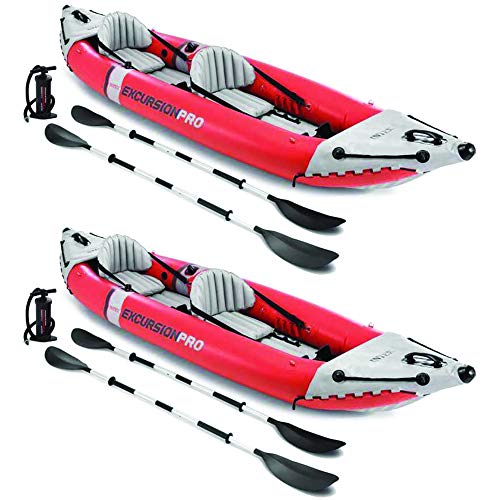
SUPER-TOUGH – 3-ply laminate construction combined with SuperStrong enhanced molecular formulation PVC provides superior structural strength and unmatched resistance to damage from abrasion, impact and sunlight, while allowing more pressure for rigidity

Boat Keel Protector - Protect your boat keel from sand, rocks, oyster beds, concrete ramps, and everyday wear and tear on the water with The Original Do-It-Yourself Keel Guard from Megaware. Note: compatible with fiberglass and some aluminum boats

AWSUM Inflatable Floating Dock, 8ft Non-Slip Swim Platform & Lake Island Raft for Pool, Beach, Ocean
Stable Floating Island for Family Fun: Built with heavy-duty drop-stitch PVC and reinforced 6-inch walls, the AWSUM inflatable floating dock delivers a firm, stable, and comfortable floating experience. Designed to resist punctures, UV exposure, and saltwater wear for lakes, beaches, and boating adventures.
Essential Components of a Complete Float Plan

Now that we recognize why float plans matter, let’s make sure we’re including every detail that could help save lives!
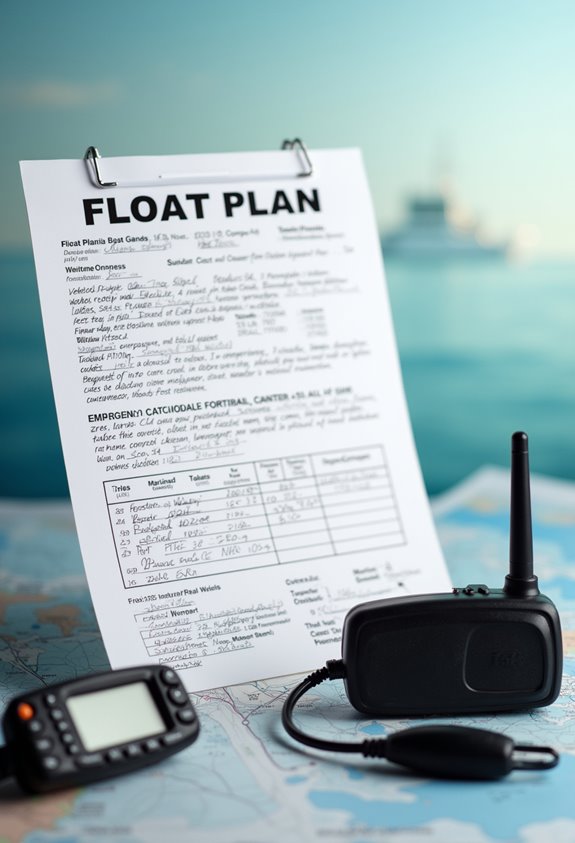
A complete float plan needs six essential components that could make the difference in an emergency:
- Vessel details including make, model, length, color, and any distinguishing features that make your boat stand out
- Crew information with names, ages, medical conditions, and emergency contacts for everyone aboard
- Trip itinerary detailing your departure point, planned route, stops, and expected return time
- Safety equipment inventory listing all life jackets, flares, and survival gear
- Communication devices like VHF radios, cell phones, or satellite phones
- Emergency procedures explaining when your shore contact should alert authorities
Additionally, ensure that your float plan includes details about U.S. Coast Guard-approved vests to enhance safety on your trip.
Remember: The more detailed your float plan, the faster rescuers can reach you if something goes wrong!
Recommended Products

Industry Standard Rescue Vest | Astral’s most popular PFD for the world’s best river guides and top paddlers.

Constructed with 400-denier Ripstop Nylon to handle unexpected snags and debris
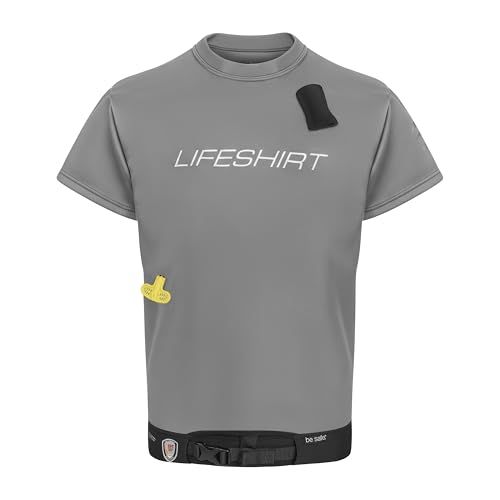
Harmonized U.S. Coast Guard & Transport Canada Approved
Solo Boating and the Critical Need for Documentation
While boating with companions provides an extra safety net, solo adventures on the water demand even more rigorous preparation and documentation!
When we’re out alone, the stakes are simply higher. Statistics show that solo boating incidents often result in drowning, especially without proper safety measures in place.
Let’s talk solo boating safety: Filing a float plan isn’t just paperwork – it’s your lifeline! Without documented details about your trip, rescuers could spend precious hours searching in the wrong areas.
Think about it: If your radio fails and you’re stranded, wouldn’t you want emergency responders to know exactly where to look? That’s why documentation benefits can’t be overstated. Ensuring safety during your boating adventure is crucial, especially considering factors like weight capacity requirements that can greatly influence your kayak’s stability.
Recommended Products
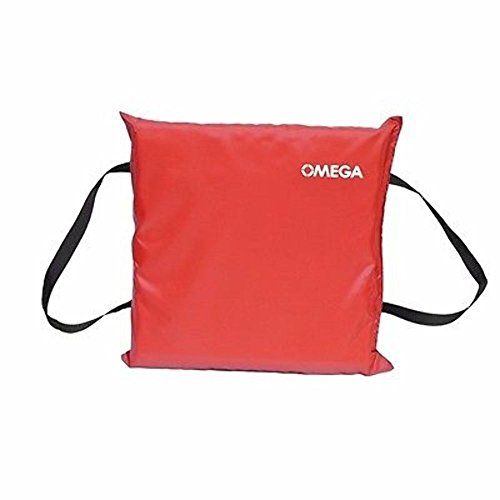
Satisfies US Coast guard requirments for boats over 16 feet


Real-Life Success Stories From Filed Float Plans

Three dramatic Coast Guard rescues highlight exactly why float plans save lives!
We’ve seen incredible real-life outcomes when boaters take time to file detailed plans. In each case, rescue teams had exact coordinates, vessel descriptions, and passenger counts – eliminating the guesswork that often delays response times.
Want to see rescue efficiency in action? When a solo sailor failed to return on schedule, his filed float plan meant responders knew his intended route, safety equipment, and departure point. They found him within hours!
- Search areas get narrowed immediately
- First responders arrive better prepared
- Family members receive faster updates
The Coast Guard consistently reports that float plans make the critical difference between swift rescues and prolonged searches. High-quality construction ensures the equipment used during rescues is reliable and effective. Why take chances with your safety when filing a plan is so simple?
Remember: The best rescue is the one that happens quickly!
Common Mistakes When Creating Float Plans
Creating an effective float plan requires careful attention to detail, but even experienced boaters make common mistakes that can compromise safety! Let’s look at the major planning pitfalls we need to avoid.
Many of us forget to include critical vessel details or crew medical information – details that could be lifesaving in an emergency. We’ve also seen serious communication breakdowns when boaters don’t share their plans with reliable contacts on shore.
Are you guilty of these common oversights?
- Incomplete route planning and timing estimates
- Missing emergency protocols and contact information
- Outdated weather forecasts
- Inadequate safety equipment listings
- Poor documentation of local hazards
Remember: A thorough float plan isn’t just paperwork – it’s your lifeline when things go wrong! Take the extra time to double-check every detail. Additionally, consider the inclusion of emergency protocols and contact information to ensure all safety measures are clearly defined and accessible.
Digital vs. Paper Float Plans: Choosing the Right Format
Should you choose digital or paper float plans for your next boating adventure? Let’s explore the unique advantages of each format!
Digital convenience offers instant editing, cloud backup, and GPS integration. Plus, we can easily share updates with multiple people in real-time.
But don’t underestimate paper reliability. When batteries die or signals fail, a physical float plan remains accessible. Many boaters appreciate the sensory experience of writing by hand – it helps with memory retention and reduces screen fatigue. Additionally, having a waterproof dry bag can safeguard your float plan from unexpected weather conditions.
Here’s our recommendation: Use both! Combine digital convenience with paper reliability for the best risk management strategy. Keep your primary float plan digital for editing ease and automatic backups, while maintaining a paper copy as a fail-safe backup.
Recommended Products

21 oz PVC/polyester body, 34 oz PVC/polyester bottom

MASSIVE 110L GEAR CAPACITY – Designed for gear-intensive trips, offering ample space for your complete hunt system and essential travel equipment.
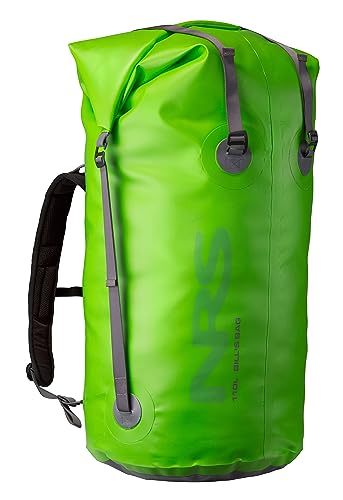
21 oz PVC/polyester body, 34 oz PVC/polyester bottom
Time-Saving Templates for Quick Float Plan Creation
While many boaters dread the paperwork involved in trip planning, modern float plan templates have transformed this essential safety step into a quick and painless process!
Today’s digital templates offer incredible flexibility through template customization, letting you create the perfect format for your specific vessel and journey type. Want to add extra safety equipment details? No problem!
The best part? Cloud storage means you’ll never lose your plans again. We can access, update, and share them instantly with our emergency contacts.
Here’s what makes modern templates so efficient:
- Pre-formatted fields that prompt for all vital information
- Digital notifications to keep contacts informed
- Easy updates for last-minute crew or itinerary changes
- Secure storage that’s accessible from any device
- Including details about safety certifications ensures your float plan meets essential requirements.
Ready to streamline your float plan process?
Recommended Products

【Forward-Thinking Design】This digital signage features a hollow floating base for a visually transparent, weightless aesthetic. Its sleek, elegant form complements premium spaces. It also serves as an interactive hub: with the remote control, it instantly transforms into a menu, exhibit catalog, or interactive platform, delivering powerful functionality.
INVISIBLE MOUNTING – InvisaMount Glass Whiteboard frameless invisible mounting system creates a sleek, floating appearance and provides an edge-to-edge writing surface. The vivid white, high-contrast glass surface makes handwriting clear and distinct

【All-In-One Smart Family Calendar】: Dragon Touch digital frame effortlessly organizes and tracks every family schedule with the crystal-clear 15.6" FHD touchscreen. Assign different colors and tasks to each family member, making family scheduling simpler and more intuitive.
Building Better Communication Through Float Plans
Because effective communication can mean the difference between a smooth rescue and precious time lost, float plans serve as our most powerful tool for building clear channels between boaters and onshore contacts!
Let’s break down why they’re so fundamental:
- They create a shared understanding of your exact route, timeline, and vessel details
- They build trust with family members who’ll feel more at ease knowing your plans
- They enable faster emergency response if something goes wrong
By following proper safety protocols through detailed float plans, we’re not just checking a box – we’re establishing crucial connections that could save lives! High-definition reflective surfaces enhance your awareness of surroundings, further contributing to safety while on the water.
Think of your float plan as your “peace of mind paperwork.” When everyone’s on the same page about where you’re headed, when you’ll return, and what to do if plans change, boating becomes safer and more enjoyable for all involved.
Emergency Response and Float Plan Effectiveness
The life-saving power of float plans becomes crystal clear when we look at emergency response scenarios! When every minute counts, having detailed vessel and passenger information already on file can dramatically reduce response times.
Let’s face it – in an emergency, we’re not always thinking clearly enough to relay critical details. That’s why a filed float plan serves as our reliable backup, providing emergency communication that rescue teams can count on!
We’ve seen how float plans help coordinate multiple agencies seamlessly, minimizing wasted resources and preventing costly false alarms. When authorities know exactly where to look, who’s aboard, and what equipment you’re carrying, they can launch the right response immediately.
Think of your float plan as your safety net – it could mean the difference between a quick rescue and a lengthy search. Additionally, ensuring you have a quick release mechanism in your safety gear, like your SUP leash, allows for rapid detachment in emergencies, further enhancing your safety measures on the water.
Weather Considerations in Float Plan Development
Since weather can make or break any boating adventure, incorporating detailed weather considerations into your float plan isn’t just smart – it’s essential!
We’ll need to carefully monitor several key weather impacts that directly affect our safety navigation. Let’s start by checking reliable sources like NOAA Weather Radio and marine forecasts before departure. Remember: winds over 15-20 knots spell trouble!
Want to be extra prepared? We recommend:
- Tracking wave heights and intervals
- Monitoring visibility conditions
- Watching for sudden wind changes
- Checking tide and current patterns
Don’t forget to update your float plan guardian if conditions change. After all, weather can shift quickly on the water! By documenting these details in our float plans, we’re not just following protocol – we’re ensuring everyone stays informed and safe during our maritime adventures.
Seasonal Updates for Your Float Plan Strategy
Just as weather patterns shift throughout the year, our float plans need regular seasonal adjustments to keep us safe on the water!
When tackling seasonal challenges, we’ve got to contemplate everything from changing daylight hours to fluctuating water levels. Let’s adapt our plans accordingly!
Here’s what we need to update each season:
- Safety gear requirements (those winter immersion suits aren’t much help in August!)
- Communication protocols and emergency contacts
- Alternate routes and shelter locations
- Equipment maintenance schedules
Don’t forget about those regulatory updates – they change with the seasons too. Summer brings different waterway restrictions than winter, and we need to stay compliant.
Remember: A float plan that worked perfectly in July might need serious tweaking for December. Keep it current, keep it detailed, and keep yourself safe!
Teaching New Boaters About Float Plan Importance
While experienced boaters understand the vital nature of float plans, newcomers to the water often need clear guidance on why and how to use this lifesaving tool!
Let’s break down float plan basics into bite-sized pieces that every new boater can grasp. Think of it as your “just in case” insurance policy on the water!
With a 35% surge in new boat ownership since 2020, we’re seeing more first-timers hitting the waves. That’s why proper boating safety education is more vital than ever. Have you taken a boating safety course yet?
We recommend starting with these essential elements:
- Vessel details and registration
- Crew information
- Route planning
- Emergency equipment list
- Contact procedures
Remember: A detailed float plan isn’t just paperwork – it’s your lifeline to help when minutes matter most!
The Role of Marina Staff in Float Plan Management
Marina staff serve as the unsung heroes of float plan management, acting as both guardians and facilitators of this critical safety system!
When you file your float plan with the marina, you’re tapping into a professional network that’s available 24/7 to monitor your safe return. We’ve seen firsthand how marina staff roles extend far beyond simple paperwork – they’re your safety net!
Think of marina staff as your emergency communications hub. They’ll coordinate with rescue services if needed, verify your return, and maintain secure records of your plans. Plus, they’re experts at float plan enforcement, ensuring everyone follows proper safety protocols.
What’s even better? They’ll remind you about filing plans, help you update them, and keep your information confidential. Now that’s peace of mind for your next adventure!
Modern Technology and Float Plan Evolution
As modern technology revolutionizes boating safety, we’re seeing incredible advances in how float plans have evolved from simple paper forms into sophisticated digital systems!
Today’s smart navigation systems integrate seamlessly with autopilot features, allowing real-time route optimization and fuel efficiency monitoring. Isn’t it amazing how far we’ve come?
Float sensor technology now keeps constant watch over critical systems like engine health and battery levels. These smart systems automatically alert us to potential issues before they become emergencies.
What’s even more exciting is how artificial intelligence analyzes weather patterns and navigation data to suggest the safest routes. Gone are the days of relying solely on paper charts and gut instinct!
With GPS-enabled emergency beacons and automated distress signals, we’re safer than ever on the water – but only if we file those float plans!
Frequently Asked Questions
Can I Modify My Float Plan After Someone Else Is Holding It?
Yes, we can modify our float plan updates anytime, but we must immediately communicate all changes to the person holding it. Following proper communication protocols guarantees our designated contact has accurate information for potential emergencies.
Should Children Be Listed Individually on Float Plans or as “Family Members”?
While it’s tempting to save time, we’ll keep our kids safer with individual listing. Family inclusion means naming each child specifically—helping rescuers know exactly who they’re searching for if something goes wrong.
What Happens if I Return Much Earlier Than Stated in Plan?
We must notify our float plan holder immediately about early return procedures to avoid unnecessary search and rescue activation. Communication importance can’t be overstated – failing to close the plan wastes resources and triggers emergency responses.
Can Multiple Boats Share the Same Float Plan for Group Trips?
We understand group trips are like herding cats on water! Yes, multiple boats can share one float plan, but it’s vital we outline shared responsibilities and individual vessel details for everyone’s safety.
Do I Need Separate Float Plans for Each Leg of Multi-Day Journeys?
We recommend filing separate plans for multi-day routes to maintain accuracy and safety. While you can update one master plan, having distinct plans for each leg helps rescuers pinpoint your exact location more effectively.


