As an Amazon Associate, we earn from qualifying purchases. Some links on this site are affiliate links at no extra cost to you. Our recommendations are based on thorough research and editorial judgment.


Tips For Photography While Paddleboarding

Taking photos while paddleboarding requires the right gear and technique! We’ll want to protect our equipment with waterproof cases rated IP68, and secure everything with bungee cords or cam straps. For the best shots, head out during golden hour when the light is magical and the water’s calmer. Keep your feet shoulder-width apart for stability, use your paddle as a third point of contact, and experiment with water-level angles. There’s so much more to discover about capturing those perfect SUP moments!
Key Takeaways
- Use waterproof protection for your camera, with IP68-rated cases or dedicated housings to safeguard equipment from water damage.
- Maintain stability by keeping feet shoulder-width apart and using your paddle as a third contact point while shooting.
- Shoot during golden hour for optimal lighting, positioning yourself with the sun at your back for best results.
- Keep camera settings fast (1/100 shutter speed minimum) and ISO low to capture sharp, clear images on moving water.
- Secure your gear with bungee cords or cam straps for easy access while keeping everything protected from falling overboard.
Essential Gear for Safe Water Photography
Three critical pieces of gear will keep your camera safe during paddleboarding photography: waterproof protection, secure mounting systems, and reliable safety equipment.
Let’s start with protection! We’ll want waterproof cases for any camera equipment we’re bringing on board. Whether you’re using dedicated waterproof housings or budget-friendly smartphone cases, make sure they’re 100% water-tight before heading out. Consider investing in a quality phone dry bag with IP68 waterproof ratings to ensure maximum device protection while capturing those stunning shots.
Action cameras like GoPros are fantastic for paddleboarding – they’re already waterproof and super easy to mount. Speaking of mounts, you’ll need secure ones for your board or paddle to prevent any expensive splashes.
Don’t forget your safety basics: a SUP leash (your board’s best friend!), a properly fitted PFD, and emergency gear like a whistle and waterproof flashlight. Ready to capture some amazing water shots?
Recommended Products


【Extra Long & Faster Glide】The MOUNTOCEAN 12'6" x 31" x 6" stand up paddle board features a streamlined shape with a V-shaped nose for smoother glide and improved tracking. Designed for long-distance touring, the Artist Series wide deck delivers excellent balance and control. Perfect for exploring, fitness paddling, and riders who want to go farther with less effort

ROCK-SOLID STABILITY: At 35" wide with 8" thick base, this inflatable paddle board with seat gives unshakeable balance. No wobbling - just confident strokes and smooth gliding, even for beginners
Mastering Balance and Stability on Your Board
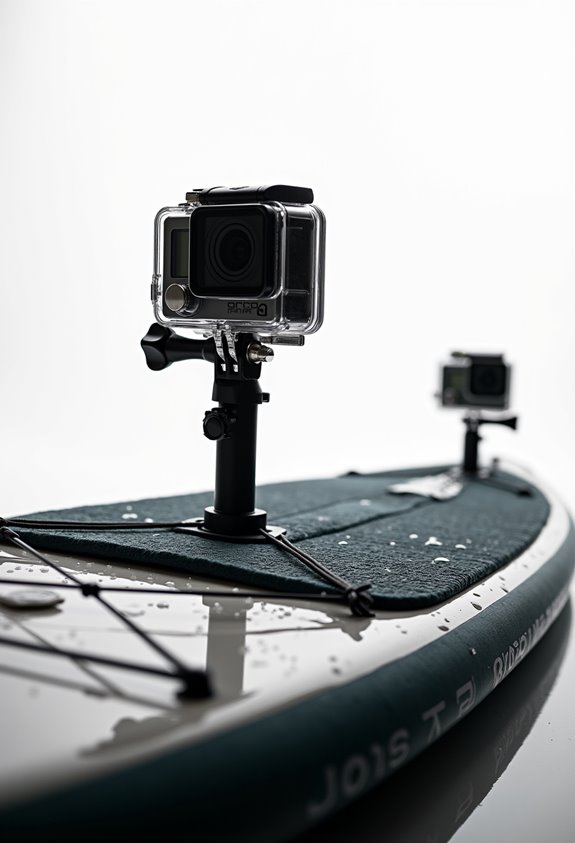
Standing steady while shooting photos on a paddleboard requires mastering five fundamental balance techniques!
Let’s start with core engagement – keep those abs tight and posture upright to minimize wobbling. Think of your core as your body’s natural stabilizer!
Foot placement is essential. Position your feet shoulder-width apart, slightly angled outward, and use those traction pads. Who wants to do the splits on their board, right?
Master those paddle techniques by using your paddle as a third point of contact during still shots. Quick, gentle strokes will help maintain stability without disrupting your camera work. Additionally, high visibility colors can enhance your overall safety on the water, especially in busy areas.
Best Times and Lighting for Stunning Shots
Now that you’ve got your balance dialed in, let’s focus on capturing those jaw-dropping shots – and timing is everything!
The golden hour is your best friend for paddleboard photography. Head out just after dawn or before sunset when the light is warm and magical, creating stunning reflections on calm waters. These times also coincide with peak wildlife activity, giving you chances to snap some incredible nature moments!
Want to know a pro secret? Position yourself with the sun at your back for the best lighting. If you’re shooting midday, look for overcast conditions – they’ll give you beautifully soft, even light without harsh glare. Additionally, consider using a lightweight adjustable kayak paddle to help with stability and control while you snap your photos.
For the clearest shots, seek out protected coves where the water’s mirror-like surface will transform your photos from good to spectacular!
Recommended Products

Hands-Free Pedal Drive System: Patent-pending APEX Pedal Drive delivers smooth, pedal-powered propulsion so you can move efficiently while keeping your hands free for fishing, photography, or relaxing on the water.

SUPERSIZED FAMILY DESIGN - Longer and wider than standard boards, this 12'2” x 34" paddleboard offers outstanding stability and space. With a 450 lb capacity, it’s perfect for two adults and a child - built for family adventures!

A convenient bottle holder and bungee cord allows you to strap down your gear while keeping yourself well hydrated.
Getting Creative With Angles and Composition
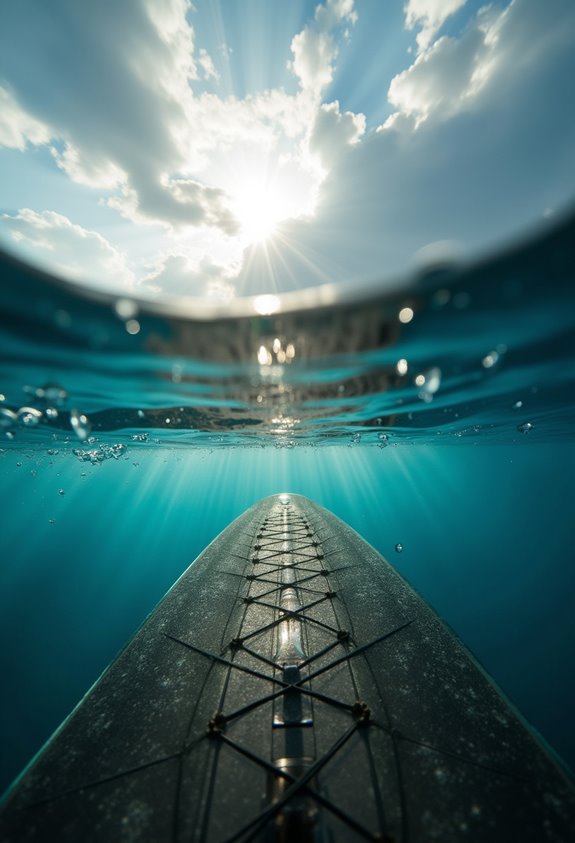
Getting your angles and composition right can transform an ordinary paddleboarding photo into a jaw-dropping masterpiece! Let’s explore some creative techniques to elevate your shots.
Want to create uncommon angles? Try positioning your camera close to water level for immersive viewpoints that’ll make viewers feel like they’re right there with you. Or climb to higher vantage points to capture the broader scene – it’s amazing how different everything looks from up there!
Don’t forget these composition essentials:
- Place subjects on the rule-of-thirds intersections
- Use leading lines from paddles or shorelines
- Frame paddlers within natural elements
- Keep those horizons straight!
For group shots, capture synchronized paddle strokes for visual harmony. And remember to experiment with diagonal lines and reflections – they’ll add depth and dimension to your photos that’ll make them truly stand out. Additionally, consider incorporating varied hull shapes to optimize your composition based on different water conditions.
Camera Settings for Crystal-Clear Water Images

While capturing crystal-clear water shots might seem challenging, mastering your camera settings will make all the difference! Let’s explore the essential adjustments that’ll transform your paddleboarding photos.
Start with your shutter speed – aim for 1/100 or faster to freeze those stunning water droplets and paddle splashes. Trust us, you’ll want that crisp clarity!
Keep your ISO settings as low as possible in good lighting conditions. This prevents that grainy look that can ruin an otherwise perfect shot.
For the sharpest results, we recommend:
- Setting your aperture around f/8
- Using burst mode to catch the perfect moment
- Enabling single-point continuous autofocus, especially near shorelines
Want a pro tip? When shooting moving water, test different shutter speeds to find that sweet spot between motion blur and crystal clarity. Additionally, consider material quality when selecting your gear to ensure optimal performance while paddleboarding.
Recommended Products
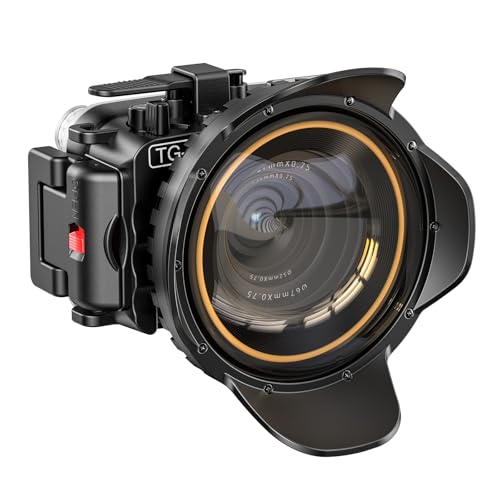
【High Waterproof Design】: This Sea frogs underwater camera housing is specifically designed for the camera. With an IPX8 waterproof rating, it allows for a maximum diving depth of 60 meters/197 feet, ensuring your camera’s safety during various underwater activities.

【High Waterproof Design】: This Sea frogs underwater camera housing is specifically designed for the camera. With an IPX8 waterproof rating, it allows for a maximum diving depth of 60 meters/197 feet, ensuring your camera’s safety during various underwater activities.
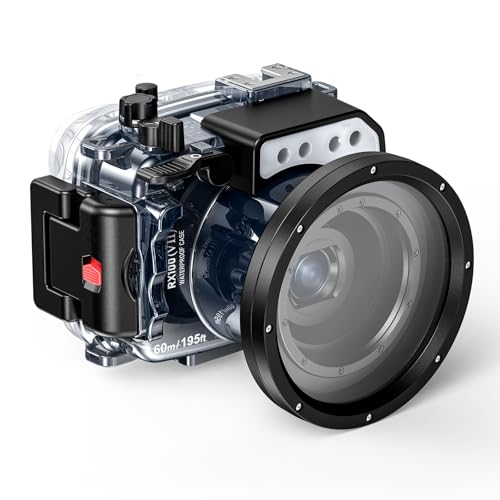
· 【 Compatibility 】 This underwater photography housing fits for Sony RX100 VII. It is best gift for outdoor enthusiast.
Protecting Your Equipment While Shooting
Because protecting your expensive camera gear is essential when paddleboarding, we’ll show you the most reliable ways to keep your equipment safe and dry!
Hard waterproof cases like Pelicans are your best defense, especially with their customizable foam inserts that cradle your gear perfectly. For a lighter option, quality dry bags with internal padding work well too – just make sure to add cut-to-shape foam around your camera and lenses.
Don’t forget to secure everything properly! Use bungee cords or cam straps to attach your cases between your knees or at your feet for easy access. And here’s a pro tip: toss some microfiber towels inside your bags – they’ll provide extra cushioning and come in handy for wiping water droplets off your gear.
Additionally, opting for a kayak with wider hulls can help keep your equipment stable while shooting, enhancing your overall paddling experience. Remember to test all seals before hitting the water. Better safe than sorry!
Frequently Asked Questions
How Do You Handle Unexpected Wildlife Encounters While Photographing From a Paddleboard?
We’ll stay calm and slowly back away if we notice concerning wildlife reactions, prioritizing everyone’s safety over getting the shot. Let’s respect photography ethics by maintaining distance and never pursuing stressed animals.
What Insurance Options Cover Photography Equipment During Paddleboarding Activities?
Like a safety net beneath a tightrope walker, we’d recommend camera equipment insurance with liability coverage and specialty water activity protection. We’ve found both inland marine and professional photographer association policies offer solid equipment protection.
Can I Use Drone Photography While Paddleboarding to Capture Aerial Perspectives?
Yes, we can use drones while paddleboarding, but we’ll need to follow drone regulations and maintain aerial stability. Let’s guarantee we’re FAA certified, have a visual observer, and keep equipment safe from water.
How Do You Maintain Clean Camera Lenses With Constant Water Droplets?
We’ll protect our gear with waterproof casing and keep lens cleaning supplies handy. Regular blotting with microfiber cloths and using hydrophobic sprays helps repel water droplets. Don’t forget to clean cases between sessions.
What’s the Best Way to Communicate With Photo Subjects From a Paddleboard?
Let’s use clear hand signals for direction and vocal cues when subjects are close by. We’ll want to establish these signals before getting on the water to guarantee smooth communication during shooting.


