As an Amazon Associate, we earn from qualifying purchases. Some links on this site are affiliate links at no extra cost to you. Our recommendations are based on thorough research and editorial judgment.


How To Plan A Multi-day SUP Camping Adventure?

Planning a multi-day SUP camping adventure requires careful preparation, but we’ll help you tackle it! Start by gathering essential gear: a properly fitting PFD, reliable dry bags, and emergency tools. Scout your route using Google Earth to identify launch points and campsites, and create a detailed trip plan with escape routes. Pack strategically with multiple dry bags, keeping weight balanced, and don’t forget quick-drying clothes. Let’s explore what makes SUP camping truly unforgettable!
Key Takeaways
- Pack essential gear including a PFD, leash, dry bags, camping equipment, and quick-drying clothing to ensure safety and comfort.
- Plan your route carefully using maps and Google Earth to identify launch points, campsites, and potential water hazards.
- Create a detailed float plan with departure dates and emergency contacts, while regularly monitoring weather forecasts.
- Distribute weight evenly on your board and secure all gear with proper straps or bungee cords.
- Select campsites on flat, well-drained ground near calm waters, considering factors like shade and natural wind protection.
Essential Equipment for Extended SUP Tours
When planning an extended SUP camping adventure, having the right gear can make the difference between an epic expedition and a miserable mistake!
Let’s start with the must-haves: A properly fitting PFD and SUP leash are non-negotiable. We’ll also need reliable dry bags to protect our essential clothing and gear from getting soaked.
Don’t forget these critical emergency tools:
- Waterproof phone pouch
- Multi-tool or knife
- Board repair kit
- Whistle for signaling
- Extra paddle
For overnight comfort, we’re packing a compact tent, temperature-rated sleeping bag, and insulating pad. Remember to bring quick-drying synthetic clothes – cotton is definitely not your friend out there!
Pro tip: Store your sleeping gear in a separate dry bag inside your main bag. Trust us, there’s nothing worse than crawling into a wet sleeping bag after a long day of paddling! Consider using dry bags made from durable PVC materials to ensure all your gear remains safe and dry on the water.
Route Planning and Navigation Basics
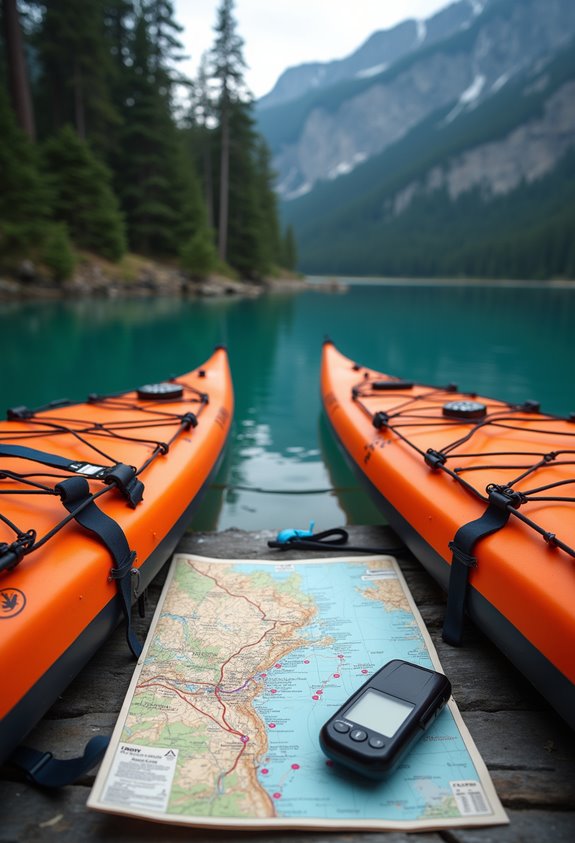
Before hitting the water for your SUP camping adventure, mastering route planning and navigation basics will keep you safe and on track! Let’s break down the essentials.
First, we’ll need to identify potential water hazards like rapids, dams, and bottleneck canyons. Remember – Mother Nature doesn’t always play nice!
Here’s what we recommend for navigation techniques:
- Use Google Earth to scout launch points and campsites
- Pack waterproof maps and a reliable compass
- Mark key landmarks and escape routes
- Monitor weather updates religiously
We always plan our daily distances based on group skill level – typically 5 miles for beginners. Want to stay organized? Create a detailed trip plan with departure dates, camping spots, and emergency contacts. Share it with someone trustworthy who’s staying behind.
Pro tip: Practice loading your gear before the big adventure. Your board’s stability will thank you! Also, consider evaluating kayak stability to ensure a safer and more enjoyable experience on the water.
Safety Protocols and Emergency Preparedness

Safety on the water is just as important as mapping your perfect route – maybe even more so! Let’s start with the basics: we’ve got to follow pfd regulations by having a Coast Guard-approved life jacket readily accessible if we’re 13 or older, while kids 12 and under must wear one at all times.
Always wear a leash appropriate for your paddling environment – coiled for flatwater, quick-release for rivers. Remember, your board can become a runaway sail in windy conditions!
Before heading out, leave a detailed float plan with an emergency contact. Pack your phone in a waterproof case and attach a whistle to your PFD. And please, check those weather forecasts carefully – we want adventure, not disaster.
Ready for proper layering? Dress for the water temperature, not the air. Your comfort equals your safety! Additionally, ensure that your gear is equipped with durable materials to prevent leaks and enhance longevity during your adventure.
Packing Strategies for Your SUP Board
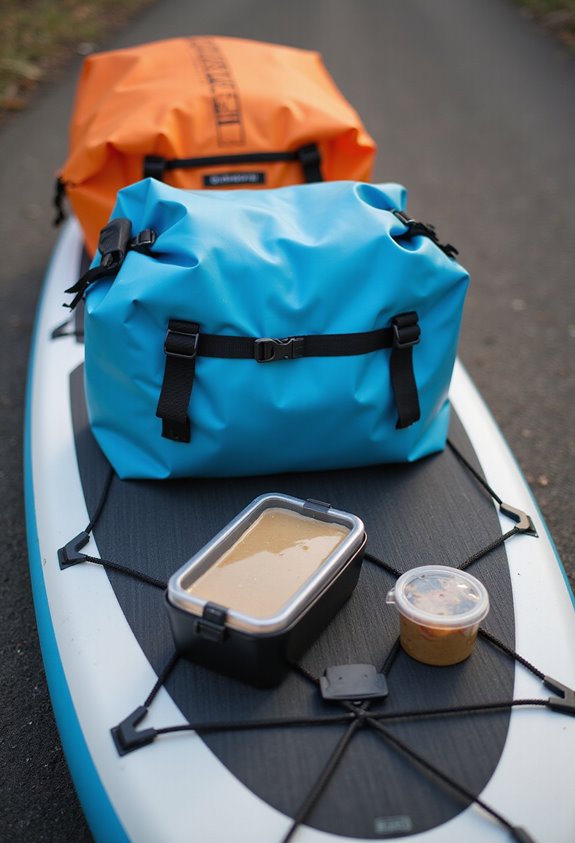
Packing efficiently for a SUP camping adventure can make the difference between an epic journey and a waterlogged disaster!
Let’s start with smart gear organization. We’ll use multiple dry bags to separate our equipment – clothes in one, food in another, and electronics safely tucked away. Remember to label each bag clearly so we’re not frantically searching for items at sunset!
Weight distribution is essential for stability. Place heavier items centrally over the board’s center, with lighter gear toward the front and sides. Secure everything with bungee cords or deck straps – no one wants to watch their sleeping bag float away!
Think compact and multipurpose. Choose lightweight camping gear and opt for dehydrated meals. Roll clothes tightly, use compression sacks, and remember – every inch of space counts when you’re living on a paddleboard! Consider bringing eco-friendly materials for paddling gear, as bamboo SUP boards are known for their durability and light weight.
Camping Gear Selection and Organization
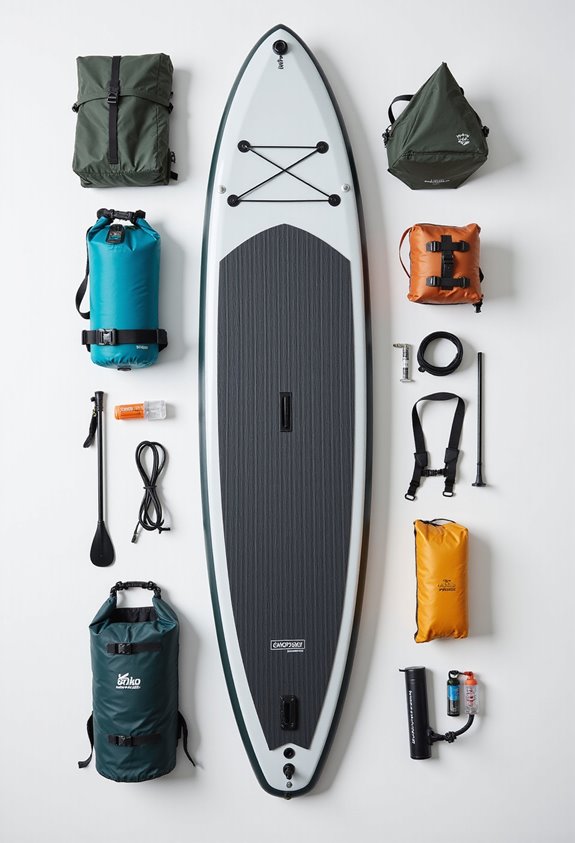
Pack multi-functional gear whenever possible – like a pot with a strainer lid or a tarp that doubles as a rain shelter and ground cloth. Your future self will thank you for keeping things light and organized!
Food and Water Management
Now that we’ve got our gear sorted, let’s tackle the food and water game plan!
When it comes to meal planning, we’ll want to pack efficiently by removing excess packaging and organizing each day’s meals in labeled containers. Let’s transfer dry ingredients to waterproof Ziploc® bags and include cooking instructions – your future self will thank you!
Water purification is non-negotiable. We’ll sanitize our containers with diluted bleach and guarantee we have enough for drinking, cooking, and emergencies. Remember, if we’re sourcing from natural bodies, we must treat it first.
Smart food organization means using bear-proof containers and proper hanging techniques – because nobody wants a midnight visit from wildlife! For container selection, we’ll use airtight plastic options and separate coolers for different food types, keeping everything at safe temperatures. Additionally, carrying a high-quality waterproof dry bag ensures that our food and water supplies remain protected from moisture during our adventure.
Weather Monitoring and Trip Timing
Before we hit the water, mastering weather monitoring is absolutely essential for a safe and enjoyable SUP camping adventure!
Let’s nail those weather indicators with precision. We recommend using apps like Windy and Surfline to track real-time conditions, while keeping multiple weather sources handy for cross-referencing. Remember: morning paddles often offer the calmest conditions!
Our top timing strategies revolve around working with nature, not against it:
- Schedule around low tide for exploring hidden spots
- Avoid peak afternoon winds
- Plan flexible itineraries that can shift with weather changes
- Allow extra daylight hours for setup and takedown
Want to really boost your weather-reading skills? Study local wind patterns and tide tables before your trip. Nothing beats being prepared when Mother Nature throws a curveball! Additionally, understanding how water conditions affect performance can significantly enhance your safety and enjoyment while paddling.
Communication Systems and Devices
Staying in touch while you’re paddling isn’t just about weather updates – it’s about keeping your whole crew safe and connected! Let’s break down your communication device comparison options.
For true peace of mind, we recommend carrying two types of devices:
- A satellite communicator (like Garmin inReach) or PLB for emergencies
- A waterproof two-way radio or mesh network device for group chats
Messaging efficiency varies by device type. While satellite systems offer global coverage, they’re not great for quick chats. That’s where hands-free mesh networks shine for close-group communication!
Consider these must-have features:
- Water resistance (it’s SUP, after all!)
- Battery life that’ll last your whole trip
- Easy operation when you’re balancing on your board
- Coverage range that matches your adventure plans
Additionally, consider opting for devices with durability and battery life similar to those found in premium kayaks, which enhance your ability to stay connected on longer trips.
Physical Preparation and Training
When it comes to preparing for a SUP camping adventure, your physical fitness can make or break the entire experience! We need to focus on building a strong foundation through targeted training.
Let’s start with strength training that mirrors paddling movements. Core exercises like planks and Russian twists will keep you stable on your board, while push-ups and rows build that essential upper body power.
Don’t forget flexibility training – it’s not just about being strong! Daily dynamic stretches and mobility work will help prevent those dreaded morning aches during your trip.
Want to simulate real conditions? Practice on balance boards, do multi-hour paddle sessions, and carry loaded backpacks during hikes. Trust us, your body will thank you when you’re cruising comfortably on day three of your adventure! Additionally, consider incorporating ergonomic handles into your training routine, as this feature can greatly enhance your comfort during prolonged paddling sessions.
Remember to gradually increase your training intensity to avoid burnout.
Legal Requirements and Permits
Now that you’re physically ready for your SUP adventure, let’s tackle the legal side of things! Understanding permit types and regulatory compliance is essential for a worry-free expedition.
First, let’s cover PFD requirements – they’re non-negotiable! If you’re 13 or older, you must have a USCG-approved life jacket with you, while paddlers 12 and under must wear one at all times. Don’t forget your whistle and lights for after-sunset paddling! Additionally, ensure your PFD has a USCG approval number to verify its compliance with safety standards.
Planning to camp? Check the specific requirements for your destination. National forests and BLM lands often allow dispersed camping, but you’ll need to verify permit requirements and restrictions.
Remember: Your SUP is legally considered a vessel when outside swimming areas. This means following proper registration rules and carrying required safety equipment. Better safe (and legal) than sorry!
Campsite Selection and Setup
Since choosing the perfect campsite can make or break your SUP camping experience, let’s plunge into the essentials of finding your ideal spot!
The best campsite features include flat, well-drained ground near calm waters – trust us, you don’t want to slide downhill all night in your tent! Look for natural shelters like trees or rock formations that’ll block wind while providing privacy from other campers.
For excellent setup benefits, position your camp close enough to the water for easy paddleboard access, but far enough to avoid flooding risks. We recommend testing your gear arrangement before the trip – nothing’s worse than discovering your SUP can’t balance your load when you’re already out there!
Remember these game-changers:
- Choose shaded spots for temperature control
- Avoid wildlife trails and burrows
- Keep essential gear easily accessible
Recommended Products

TRUE 4-SEASON DOUBLE-LAYER HOT TENT - Hexagon uses a tent-within-a-tent design with a separate outer shell and inner tent divided by an insulating air gap to help reduce direct cold transfer in winter, manage condensation in wet weather, and reduce direct heat buildup in warm and hot weather.

Premium Breathable TC Cotton Canvas (210 GSM): The Coody 17.2 is made from durable 210 gsm TC fabric (65% polyester / 35% cotton). This breathable canvas improves airflow and significantly reduces condensation compared with synthetic tents while providing a more comfortable interior climate for long camping stays.
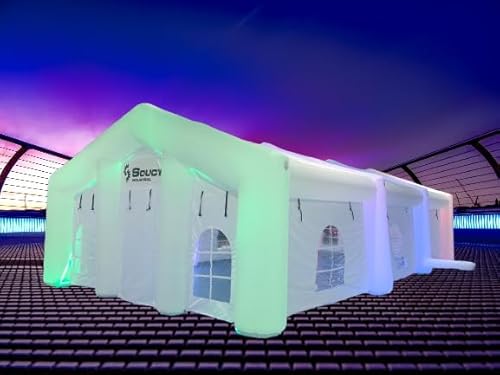
【Spacious Elegance】: External size: 12x6x4m/40x20x13ft/472x236x157.5inches(Length x Width x Height), Material: Durable oxford cloth; Fabric color: White; two doors
Environmental Impact Considerations
As passionate SUP campers, we’ve got a responsibility to protect the incredible waterways we explore!
Let’s make wildlife conservation a top priority by keeping our distance from birds, seals, and other marine life. Remember – we’re visitors in their home!
For habitat protection, avoid scraping boards on sensitive areas like coral reefs and seagrass beds. Choose established launch points and campsites to minimize erosion.
Here’s how we prevent pollution while paddling:
- Pack out ALL trash – even that tiny energy bar wrapper
- Use reef-safe sunscreen
- Secure gear properly to avoid losses
- Choose eco-friendly boards when possible
Want to be an environmental hero? Consider organizing a waterway cleanup event with fellow paddlers! Together, we can protect these amazing places for future generations of SUP adventurers.
Group Dynamics and Leadership
When planning a SUP camping adventure with friends, strong group dynamics can make or break your experience! Let’s focus on key elements that’ll keep your group paddling smoothly together.
Clear role assignment is essential – we recommend designating a leader, sweeper, and navigator before hitting the water. Look for leadership qualities like decisiveness, outdoor expertise, and adaptability in your chosen leader.
Communication strategies are crucial! Set up:
- Hand signals for on-water coordination
- Daily briefings and debriefings
- Group check-ins during breaks
Strong team dynamics rely on:
- Early conflict resolution
- Shared decision making processes
- Celebrating group achievements
- Supporting less experienced paddlers
Frequently Asked Questions
How Do You Maintain Personal Hygiene During Extended SUP Camping Trips?
We maintain hygiene by packing essential personal grooming items and biodegradable hygiene products, taking daily sponge baths away from water sources, using wet wipes, and implementing a hand-washing routine for cleanliness during our adventures.
What’s the Best Way to Protect Electronics From Water Damage?
Like knights protecting their treasures, we’ll shield our gadgets using waterproof cases and double-sealed dry bags. We can’t forget to pack silica gel packets and keep our electronics elevated when we’re camping near water.
How Do You Handle Wildlife Encounters While Camping Near Waterways?
We’ll stay safe by keeping our campsite clean, storing food properly, and maintaining distance from wildlife. If animal encounters occur, we’ll stay calm, make noise, and slowly back away without turning our backs.
Can I Bring My Dog on a Multi-Day SUP Camping Adventure?
While dogs might dream of lounging poolside, we can bring them paddling! Let’s guarantee dog safety with proper training, gear essentials like life jackets, and camping supplies. We’ll need patience and preparation.
What Exercises Should I Do to Prepare for SUP Camping?
Let’s focus on strength training targeting core, legs, and shoulders with planks and squats, plus endurance workouts like swimming and cycling. Don’t forget balance exercises on unstable surfaces to mimic paddling conditions.


