As an Amazon Associate, we earn from qualifying purchases. Some links on this site are affiliate links at no extra cost to you. Our recommendations are based on thorough research and editorial judgment.


Tips For Winterizing Your Water Sports Gear

To properly winterize your water sports gear, we’ll need to focus on thorough draining, cleaning, and protection. Start by flushing all systems with clean water and applying marine-grade lubricants to moving parts. Don’t forget to add fuel stabilizer and antifreeze to protect engines, and fully charge those batteries before disconnecting them! Proper storage using breathable, waterproof covers is vital – and hey, your future self will thank you when spring rolls around. Let’s explore the essential steps to keep your equipment in prime condition.
Key Takeaways
- Clean all equipment thoroughly with fresh water and marine-safe cleaners to remove salt, sand, and debris before storage.
- Apply protective lubricants and waterproof sprays to metal components to prevent rust and corrosion during winter months.
- Store gear in breathable, water-resistant covers and ensure proper ventilation to prevent mold and mildew growth.
- Empty all water from equipment, engines, and storage compartments to prevent freezing damage and cracking.
- Organize and label storage areas while keeping gear elevated off the ground using racks or stands.
Essential Equipment and Supplies Checklist
A proper winterizing checklist is your best defense against costly spring repairs!
Let’s review the essential maintenance supplies you’ll need for safe winter storage of your water sports equipment:
- 5+ gallon buckets and clean water source for thorough flushing
- Non-toxic antifreeze and fuel stabilizer to protect engines and plumbing
- High-quality waterproof covers to shield gear from weather damage
- Marine-grade lubricants and protective sprays for moving parts
- Battery maintenance equipment like trickle chargers
Don’t forget those critical cleaning materials! Stock up on microfiber towels, brushes, and marine-safe cleaners to prep surfaces before storage. Additionally, ensure all your gear is free from moisture to prevent material degradation in the off-season.
We’ll also want proper fluid handling supplies – funnels, drain pans, and approved containers for fuel and oil changes. Ready to tackle winterizing like a pro?
Recommended Products

HIGH QUALITY: With 5 mil thick polyethylene, this extra strong tarpaulin can be used for almost anything; cover equipment & machinery, construction sites, painting or furniture covers.

HIGH QUALITY: With 5 mil thick polyethylene, this extra strong tarpaulin can be used for almost anything; cover equipment & machinery, construction sites, painting or furniture covers.

BUILT-IN FEATURES - The MABi805 44-inch island gas grill features 6 tubular stainless steel high efficiency burners and a rear height-adjustable ceramic infrared burner that produces a whopping 87,000 BTU’s of heat output. The grill also features a stainless steel warming rack, 8mm stainless steel cooking grids and a generous cooking area of 38-inches x 18-inches (990 square Inches of total cooking area).
Step-by-Step Draining and Cleaning Process

When winter’s chill approaches, proper draining and cleaning become critical steps that’ll protect your valuable water sports equipment!
Let’s start with a thorough draining process. First, we’ll tilt the equipment to help water flow naturally through the system. Don’t forget to check those drain plugs – they’re easy to miss!
Here’s our proven cleaning sequence:
- Run the engine briefly to expel water
- Pressure wash the exterior thoroughly
- Clean and inspect props and shafts
- Remove all interior items and dry completely
- Empty and clean the bilge area
For maximum protection, we’ll run antifreeze through the system. Mix it 50/50 with water, and verify it circulates completely through all cooling components. Investing in quality weather-resistant materials ensures your gear stays protected during winter storage.
Remember: A dry boat is a happy boat! Moisture is your winter storage enemy.
Recommended Products

Engineered to be compatible with all makes, models, and years of automobiles and light-duty trucks


Critical Engine Protection Measures

Because winter can wreak havoc on marine engines, protecting your powerplant properly is absolutely essential!
Let’s focus on the key steps for engine longevity. First, we’ll drain every drop of water from the cooling system and replace it with propylene glycol antifreeze. Don’t skip this – frozen water can crack your engine block!
Corrosion prevention is our next battle. We’ll:
- Fog the engine with protective oil
- Pull those spark plugs and give cylinders a good spray
- Change the oil and filters
- Apply corrosion inhibitors to vulnerable components
Think your engine’s protected? Not quite! Let’s tackle the fuel system:
- Add fuel stabilizer
- Fill the tank (bye-bye, condensation!)
- Run the engine briefly to circulate that treated fuel
Additionally, be aware that life jackets are essential safety gear for any water activities, ensuring you’re protected while enjoying your aquatic adventures.
Recommended Products

95% concentrated Inhibited Propylene Glycol with 5% corrosion inhibitor

Propylene Glycol
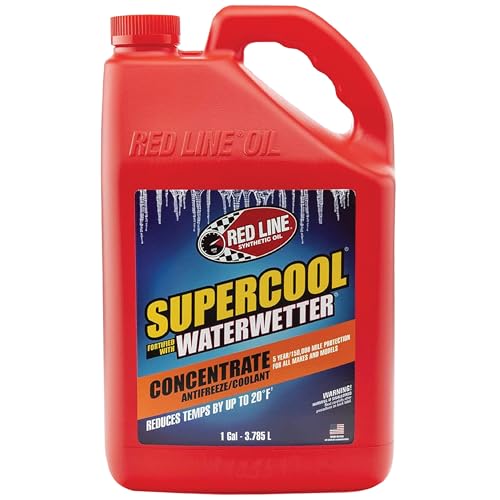
ENHANCES - heat transfer, reducing operating temperatures by up to 20°F
Battery and Electrical System Care

Three essential steps stand between your boat’s electrical system and potential winter damage! Let’s protect your investment with proper battery maintenance and thorough electrical inspection.
First, fully charge those batteries before storage – this prevents freezing damage and keeps them ready for spring. Don’t forget to disconnect them from the boat to prevent power drain!
Next, we’ll tackle the electrical components. Inspect all wiring and connections for wear, apply dielectric grease to fight corrosion, and cover exposed parts to keep those pesky rodents away. Remember: moisture is your electrical system’s worst enemy. Keeping your kayaks, such as the Pelican Argo series, stored properly will also help protect against winter conditions.
Finally, if you’re using a battery charger during storage, make sure it’s a smart maintainer designed for winter use. Your batteries will thank you when boating season returns!
- Clean and protect terminals
- Remove electronics when possible
- Monitor charge levels monthly
Recommended Products

Three Stage “Smart” Chargers Phase Three “Smart” battery charging technology is now available in a wide range of power levels, allowing you to select the right size, features and flexibility you

Three Stage “Smart” Chargers Phase Three “Smart” battery charging technology is now available in a wide range of power levels, allowing you to select the right size, features and flexibility you

5 amp per channel maximum with a 230 volt AC input.
External Protection and Storage Guidelines
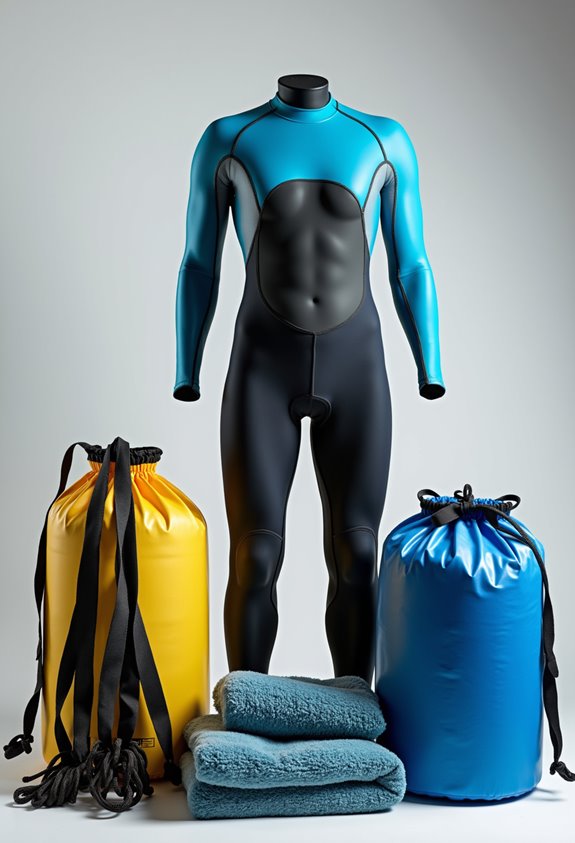
Proper external protection stands as your watercraft’s first line of defense against harsh winter conditions!
Let’s get your gear ready for hibernation with breathable covers that shield against moisture while allowing critical ventilation. We’ll want to avoid those pesky plastic wraps that trap condensation and lead to unwanted corrosion.
Have you created your organized storage system yet? We recommend using proper racks and stands to keep everything elevated – no one wants their expensive equipment sitting directly on damp floors!
Here’s our winning combo:
- UV-protective, water-resistant covers that fit snugly
- Labeled storage compartments for quick spring access
- Shelving and hooks for accessories
- Regular inspection schedule during winter months
Did you know that covers constructed from 420D Oxford cloth can provide enhanced durability and weather protection for your gear?
Remember to keep those storage compartments slightly cracked for airflow. Your future self will thank you when spring arrives!
Recommended Products

6" Thick High-Density Outdoor Chair Cushions: Experience ultimate lounging comfort with our 6-inch thick outside chair cushions filled with high-resilience high-density foam that offers lasting support for your hips and waist, maintaining excellent rebound without flattening or sagging so you can relax for hours on your patio, balcony, or outdoor sofa with plush, supportive patio seat cushions that elevate every moment of outdoor leisure
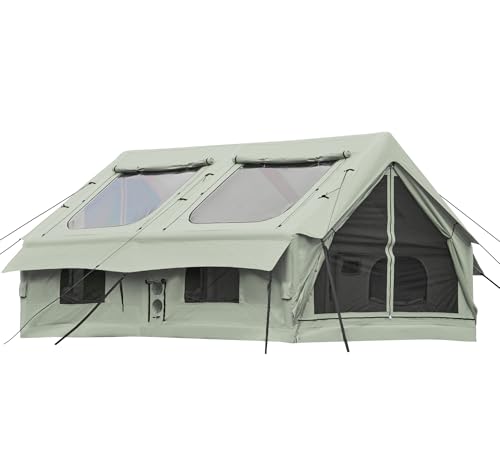
【Spacious】-With a size of 13ft*9.8ft*7.2ft, the inflatable hot tent provides plenty of room for up to 9 people to move around. Whether it's a group camping trip, picnic, or outdoor party, this tent can bring a comfortable experience and easily accommodate the whole family and friends

Panoramic PVC Skylight + Optional Privacy Cover: A spacious PVC skylight stretches across one side of the roof, offering a clear view of the sky and surroundings, whether you're watching passing clouds or stargazing at night. When privacy is needed, simply snap on the included interior curtain to create a calm, enclosed retreat in seconds.
Frequently Asked Questions
How Long Can Water Sports Gear Safely Remain Winterized Before Summer Use?
We’ll get 6-9 months of safe winter storage duration for most water sports gear when properly winterized, but let’s set gear maintenance reminders every 1-2 months to check for issues during storage.
What Temperature Threshold Requires Immediate Winterization of Water Sports Equipment?
We’ll need to winterize our water sports equipment immediately when temperatures approach 30°F (-1°C) due to freezing concerns. For extra protection against temperature impact, it’s best to start when it hits 40°F (4°C).
Can Multiple Pieces of Water Sports Equipment Share the Same Storage Space?
Holy smokes, yes we can! With proper storage organization and equipment compatibility in mind, we’ll help you stack multiple water sports items safely. Let’s use vertical racks, padded cradles, and labeled zones for protection.
Is Professional Winterization Worth the Cost Compared to DIY Methods?
We’d recommend professional services if you value time and assurance, but a careful cost analysis shows DIY methods can save considerably. It depends on your expertise level and willingness to learn proper techniques.
How Often Should Winterized Equipment Be Checked During Off-Season Storage?
We recommend checking your gear maintenance monthly during storage, with a thorough inspection routine every 6-8 weeks. We’ll want to look for moisture, pest activity, and any covering damage between checks.