As an Amazon Associate, we earn from qualifying purchases. Some links on this site are affiliate links at no extra cost to you. Our recommendations are based on thorough research and editorial judgment.


What Cleaning Products Are Safe For Neoprene?

Safe cleaning products for neoprene include specialized cleaners like ReviveX and Nikwax, but we can also use gentle alternatives like baby shampoo, Woolite, or Ivory Snow powder. It’s essential to avoid harsh chemicals, bleach, and hot water above 86°F, as these can damage the material. We recommend pH-neutral or slightly acidic formulas, and always hand wash with cool water. Proper cleaning technique is just as important as product choice – there’s quite a bit more to keeping your neoprene in top shape!
Key Takeaways
- Specialized neoprene cleaners like ReviveX, Nikwax, and wetsuit-specific shampoos are specifically formulated for safe neoprene cleaning.
- Mild household products including Ivory Snow powder, Woolite, or baby shampoo provide gentle cleaning alternatives for neoprene.
- pH-neutral or slightly acidic cleaning solutions without bleach or fabric softeners are safe for neoprene materials.
- Enzyme-based deodorizers like MiraZyme effectively clean and remove odors without damaging neoprene surfaces.
- Biodegradable, plant-based cleaners in concentrated formulas offer eco-friendly options for safe neoprene maintenance.
Understanding Neoprene Material Properties
When it comes to cleaning neoprene safely, we’ve got to start by understanding what makes this remarkable material tick!
Neoprene’s not your average synthetic rubber. It’s a fascinating polymer that’s used in everything from wetsuits to industrial gaskets, thanks to its incredible durability and resistance properties.
What makes neoprene so special? First, it’s incredibly tough against chemicals, oils, and UV radiation. We’re talking about a material that laughs in the face of harsh weather and seawater! Plus, it maintains its flexibility in temperatures from a chilly -50°F all the way up to a toasty 275°F. Many neoprene products also feature reflective safety materials to enhance visibility in various conditions.
Before we embark on cleaning methods, it’s worth noting that neoprene applications can vary in their environmental footprint. Some are produced using oil-based processes, while others use more eco-friendly limestone methods – something to keep in mind when caring for your gear!
Essential Safety Guidelines for Cleaning
Before diving into specific cleaning methods, let’s establish some essential ground rules that’ll keep your neoprene gear in pristine condition!
Despite popular misconceptions, not all cleaning products are safe for neoprene. We need to be extra careful about what we use on this sensitive material – there’s no neoprene alternative that’s quite as versatile!
Here’s what you must avoid:
- Hot water (it weakens the material)
- Harsh chemicals and bleach
- Aggressive scrubbing
- Direct sunlight while cleaning
Instead, stick to:
- Cool or cold water (below 40°C)
- Mild detergents or baby shampoo
- Gentle hand washing motions
- Shade drying
Choosing durable materials for your gear, like neoprene, helps ensure longevity and effectiveness.
Best Mild Detergents for Neoprene Care

Since protecting your neoprene gear starts with choosing the right cleaning products, we’ll explore the most effective and gentle detergents that’ll keep your equipment in top shape!
When considering appropriate detergent options, specialized cleaners like ReviveX and Nikwax lead the pack. These products are specifically engineered to maintain neoprene’s waterproofing and breathability.
Don’t have specialty cleaners on hand? No worries! Gentle alternatives like Ivory Snow powder, Woolite, or even baby shampoo work great for basic neoprene cleaning considerations.
Here’s what to look for in any detergent you choose:
- No bleach or fabric softeners
- pH-neutral or slightly acidic formula
- Mild surfactants only
- Deodorizing capabilities
Additionally, using the right cleaning products can enhance the longevity of your gear, allowing it to withstand the rigors of various outdoor activities.
Recommended Products
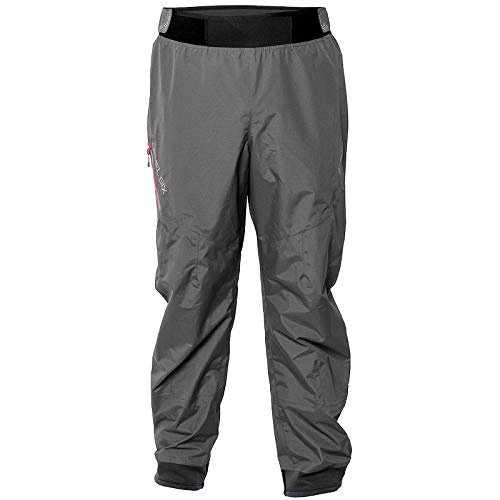
WHITEWATER PANT: The Current is a 3-season lightweight recreational or light canoe and kayak whitewater pant. Pair it with a Level Six top for lightweight breathable protection from all the elements while out on the water.

Customizable Compression Levels: The vest is equipped with two shoulder straps featuring three hook & loop gray stitching lines, enabling easy adjustment of compression to suit your needs. Whether you prefer a light or firm level of support, this vest adapts to your preferences, offering customized comfort throughout the day.

CONSCIOUSLY CREATED: Washable recycled P.E.T. polyester fibers help sustain the environment
Natural and Eco-Friendly Cleaning Options

We’re seeing fantastic results with water-based formulas that:
- Remove odors effectively
- Keep neoprene soft and supple
- Protect marine ecosystems
- Leave a rejuvenating citrus scent
Looking for trusted options? Check out Patagonia and Auggie and Zo – they’ve mastered the art of natural cleaning while supporting environmental causes! It’s important to choose products that prioritize waterproof performance to ensure long-lasting results.
Recommended Products

Make trips to the store in comfort, walk with confidence down a wet walkway, and stay steady in your muddy garden with the sleek and comfortable style of the Bogs Sauvie Solid Slip-On Boot.

SUSTAINABLY CRAFTED: Womens lace up fashion sneaker with eco-conscious fabric toe box, linings and topcloth made from recycled bottles, and heel counter made from recycled materials

INDUSTRY LEADER: OAKI has been manufacturing neoprene boots for over a decade. The result is the most durable, warm, and comfortable neoprene boot on the market. Our proprietary OAKI vegan ox-tendon sole will outlast our competitors and ensure the least amount of heel or tread ware. Our 7mm thick neoprene is comfort rated to -36 degrees C. OAKI neoprene boots will outlast our competitors' boots, all while offered at a more affordable price.
Step-by-Step Cleaning Process

Diving into a proper neoprene cleaning routine will keep your gear in top shape for years to come! Let’s break down the essential steps to get your neoprene spotless.
First, we’ll rinse the item thoroughly with cool or lukewarm water – never hot! This removes surface dirt and debris before we start the deep clean.
Next, we’ll use either specialized products or cleaning alternatives like mild detergent or baby shampoo. Remember, harsh chemicals are a big no-no!
Gently work the soap into the material, paying extra attention to any stubborn stains. For tough spots, let it soak overnight.
Finally, we’ll rinse until the water runs completely clear and air dry flat or hang in a shaded spot. No direct sunlight or heat exposure – your neoprene will thank you! Keeping your neoprene gear clean and well-maintained is vital for ensuring optimal fit and comfort during water activities.
Recommended Products

【Essential Running Accessory】: This microphone waist pack features a vertical design and elastic material, providing ample storage for your phone, cards, wallet, microphone, headphones, keys, and more.
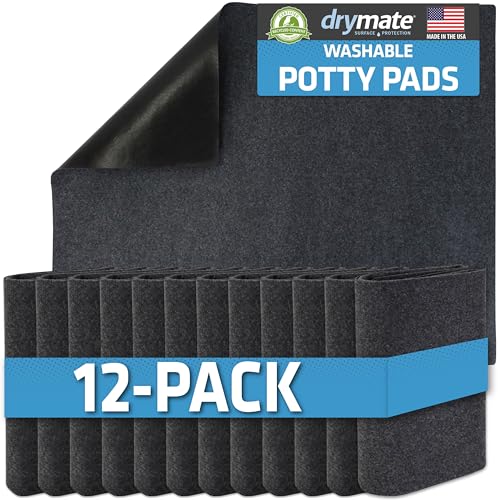
HELP REDUCE LANDFILL WASTE & SAVE MONEY: Drymate Washable & Reusable Potty Pads provide an environmentally-friendly solution for dog potty training by eliminating the need for disposable pads, helping to reduce landfill waste and save you $$$. CONTAINS ACCIDENTS & PROTECTS SURFACES: Our potty pads quickly absorb urine and protect floors from potty training accidents in and around the home.

Winner of the Canadian Safe Boating Award (CASB) for Best New Safety Product
Professional Cleaning Products Breakdown
Three key factors set professional neoprene cleaners apart from standard detergents – specialized formulations, eco-friendly ingredients, and proven effectiveness!
When we look at professional product efficacy, concentrated formulas give us more bang for our buck. Many top brands like Rip Curl and Gear Aid offer powerful solutions that can be diluted without losing their cleaning punch.
Let’s talk cleaning technique variations! We’ve got options for every situation:
- Light cleaning? A gentle diluted solution works perfectly
- Heavy-duty cleaning? Use the concentrate at full strength
- Regular maintenance? Mix according to package instructions
These specialized cleaners are particularly impressive because they’re both tough on grime and gentle on our gear. Plus, they’re biodegradable – so we’re protecting our oceans while keeping our neoprene in top shape! Additionally, ensuring proper cleaning techniques maintains the integrity and safety features of your equipment.
Recommended Products

Customize Your Clean: Our Degreaser & Cleaner Pods are the newest and easiest way to clean, from your toughest messes to the most sensitive surfaces. With the ability to adjust the strength of your cleaner, effortlessly create the desired amount of degreasing power

Common Cleaning Mistakes to Avoid
While keeping your neoprene gear in pristine condition isn’t rocket science, there are some common cleaning mistakes that can quickly turn your favorite wetsuit into a stretched-out mess!
Let’s debunk some neoprene myths about cleaning techniques that might be damaging your gear:
- Hot water is NOT your friend! Keep it under 30°C to prevent deformation.
- Toss those harsh chemical cleaners and bleach-based products – they’re absolute neoprene killers!
- Think twice before throwing your wetsuit in the washing machine. Those spin cycles can wreak havoc on seams.
- Love drying things in the sun? Not with neoprene! UV rays and heat are a sure way to destroy flexibility.
Remember: gentle hand washing with mild soap and air drying in a shaded spot will keep your neoprene performing its best! Additionally, keeping your neoprene gear away from harsh chemical cleaners is vital to maintaining its longevity.
Proper Storage After Cleaning
Once you’ve properly cleaned your neoprene gear, storing it correctly is absolutely essential for long-term durability!
Let’s talk smart storage solutions that’ll keep your gear in top shape. Always hang your neoprene on wide, padded hangers in a cool, dry place away from direct sunlight – we’re talking 40-59°F for ideal results.
Need moisture control? Make sure your gear is 100% dry before storing! Start from the inside out, and don’t rush the process.
Here’s what we absolutely want to avoid:
- Storing wet or damp gear (hello, mold!)
- Placing neoprene near heat sources
- Compressing under heavy objects
- Using airtight containers without ventilation
For best results, regularly inspect stored items and give them occasional fresh air. Your future self will thank you! Additionally, consider using ventilation for drying methods when storing your neoprene to maintain freshness and prevent odors.
Extending Neoprene Lifespan Through Maintenance
Proper storage sets the foundation, but let’s maximize your neoprene’s lifespan with smart maintenance habits!
The key to neoprene maintenance lies in immediate action after every use. We’ll want to rinse thoroughly with fresh, lukewarm water to remove harmful substances like salt, chlorine, and sand that can degrade the material over time.
Regular cleaning is essential for lifespan extension, but don’t overdo it! Use only mild detergents or wetsuit-specific shampoos when necessary. Remember – harsh chemicals are your neoprene’s worst enemy.
Got stubborn odors? Reach for enzyme-based deodorizers instead of masking sprays.
Spot-clean stains promptly, and always verify complete drying before storage. With these simple yet effective habits, your neoprene gear will stay flexible, functional, and fresh for many adventures to come! Additionally, following safety certifications is crucial to ensure your gear remains in optimal condition during water activities.
Environmental Impact of Cleaning Products
As we care for our beloved neoprene gear, let’s consider how our cleaning choices impact Mother Earth! Traditional cleaning products often contain harsh VOCs that not only degrade our gear but also harm our environment.
Want to embrace environmental cleaning? Here are smart alternatives:
- Switch to biodegradable cleaners made from plant-based ingredients
- Choose concentrated formulas to reduce packaging waste
- Look for products with eco-friendly packaging
- Avoid cleaners that can leach toxic chemicals into waterways
Did you know that sustainable practices in neoprene care can actually extend your gear’s lifespan? It’s a win-win! By selecting gentle, natural cleaners, we’re protecting both our equipment and our ecosystems. Additionally, opting for durable materials like PVC or vinyl can enhance the longevity of our gear while preserving its functionality.
Remember: Mother Nature will thank us for making conscious choices about the products we use!
Specialized Cleaners for Different Neoprene Items
Since different neoprene items face unique cleaning challenges, we’ll need to match them with the right specialized cleaners! Let’s break it down by item type.
For wetsuits and drysuits, we highly recommend dedicated wetsuit shampoo – it’s specifically engineered for neoprene odor removal and tackles those pesky chlorine buildups. Those enzyme-based deodorizers like MiraZyme work wonders too!
For neoprene bags and accessories, a gentle hand wash with mild detergent usually does the trick. But here’s the good news – many can actually go in the washing machine on a cold, gentle cycle.
Swimming gear needs extra TLC! Rinse after every use (yes, every single time!) and treat those stubborn salt stains with warm water. Remember: no harsh chemicals, no bleach, and definitely no dryer heat!
Recommended Products


Diving Gear Refresh: Keep your dive gear in tip-top shape with our no-rinse wetsuit cleaner that penetrates and emulsifies soils and leaves nothing but a fresh and clean scent.

Stay warm during water activities with our 3mm Front Zip Full Body Diving Suits. Perfect for canoeing, sea kayaking, snorkeling, diving, surfing, and swimming.
Temperature and Water Considerations
While choosing the right cleaners matters, temperature and water type can make or break your neoprene care routine!
Temperature impacts are essential – never use hot water or direct heat on your gear. Keep it lukewarm (under 30°C/86°F) to protect the material’s flexibility. Hot water is neoprene’s enemy!
Water quality plays a huge role too. We always recommend rinsing with fresh, clean water after every use. Why? Because salt, chlorine, and other chemicals love to break down neoprene over time.
Here’s what we’ve learned works best:
- Rinse immediately after use
- Stick to lukewarm or cool water
- Avoid machine washing when possible
- Never wring or twist to dry
- Keep away from direct sunlight
Remember: Your gear will last longer if you treat it right from the start!
Signs of Neoprene Damage From Wrong Cleaners
Spotting damage early can save your precious neoprene gear from total ruin!
When harsh chemicals come into contact with neoprene wear, they can trigger unwanted chemical reactions that permanently alter your gear’s appearance and integrity. The most obvious sign? Discoloration!
Key Warning Signs to Watch For:
- Fading or bleaching of the original color
- Patchy or uneven coloring
- Yellowing of light-colored areas
- Brittle or stiff texture in affected spots
We always recommend checking your gear after each cleaning session. Run your hands over the surface – does it feel different from untreated areas? Are there any visible changes in color or texture? If you notice any of these signs, immediately stop using that cleaning product and switch to a gentler, neoprene-safe alternative.
Remember: Prevention is better than trying to reverse chemical damage!
Emergency Spot Cleaning Techniques
Every neoprene enthusiast’s worst nightmare – an unexpected spill or stain on your favorite gear!
Let’s talk emergency supplies and quick fixes you’ll want to have ready. When disaster strikes, immediately grab a clean, damp cloth and start blotting (never rubbing!) the affected area.
No cleaning products handy? Cool water is your friend! It’s better to act fast with just water than let that stain set in.
For those prepared neoprene owners, keep these emergency essentials nearby:
- Clean microfiber cloths
- Mild detergent solution in a spray bottle
- Soft sponge
- Hair dryer for quick spot drying
Frequently Asked Questions
Can I Use Vinegar or Baking Soda to Clean Neoprene Safely?
We don’t recommend using vinegar solution or baking soda on neoprene as they can damage the material. Instead, let’s stick with mild detergents or specialized neoprene cleaners for safe, effective cleaning results.
How Often Should I Clean My Neoprene Gear During Off-Season Storage?
Time flies during storage season! We recommend inspecting your neoprene every few months for off-season maintenance, but if it’s properly cleaned and dried before storage, you won’t need regular cleanings unless odors or dirt appear.
Will Chlorinated Pool Water Damage My Neoprene Items Over Time?
Yes, we’re sorry to say chlorinated water will damage your neoprene over time. Even with good chlorine resistance, pool chemicals break down the material’s structure, reducing neoprene longevity. We recommend limiting pool exposure.
Can I Machine Wash Neoprene Items on a Delicate Cycle?
Like delicate flowers, we’d advise against machine washing neoprene. While some report success with gentle cycles, we recommend hand washing for better neoprene care. If you must machine wash, use cold water only.
Does Salt Water Exposure Require Immediate Cleaning of Neoprene Equipment?
Yes, we must clean neoprene gear right after salt water exposure. It’s essential for proper neoprene care since salt residue can quickly degrade materials, cause stiffness, and promote harmful microbial growth if not addressed immediately.