As an Amazon Associate, we earn from qualifying purchases. Some links on this site are affiliate links at no extra cost to you. Our recommendations are based on thorough research and editorial judgment.


How To Maintain Your Kayak For Long-lasting Performance?

To keep your kayak performing at its best, we’ll want to focus on three key maintenance areas. First, rinse thoroughly after each use (especially in saltwater!) and apply UV protectant every 30-45 days. Next, regularly inspect the hull for damage using the soapy water test, and don’t forget those often-missed spots like rudder systems and foot braces. Finally, store your kayak properly – elevated, covered, and away from extreme conditions. There’s much more to mastering kayak care than meets the eye!
Key Takeaways
- Clean your kayak thoroughly after each use, especially after saltwater exposure, using mild soap and water with a soft sponge.
- Apply UV protectant coatings every 30-45 days and marine-grade wax every 3-4 months to prevent sun damage.
- Store kayak upside down on padded racks in a climate-controlled space, supported at two points for proper weight distribution.
- Regularly inspect the hull, seams, and hardware for damage, conducting leak tests using soapy water when necessary.
- Maintain propulsion systems and safety equipment monthly, including checking PFDs, communication devices, and emergency repair kits.
Essential Cleaning Practices for Your Kayak
A clean kayak is a happy kayak! Let’s talk about proper kayak hygiene that’ll keep your vessel performing at its best for years to come.
After every adventure, we need to give our kayak a thorough rinse – especially if we’ve been in saltwater or murky conditions. Think of it as your kayak’s shower time! Start by removing all gear and accessories, then spray down both the interior and exterior with a hose or wipe with a wet rag.
For cleaning frequency, we recommend using mild soap and water with a soft sponge after every few trips. Don’t forget those often-neglected spots like rudder systems, foot braces, and hatch covers!
Remember to pay special attention to hinges and mechanical parts – they’re like the joints of your kayak and need extra TLC to stay smooth and functional. Proper maintenance, including regular cleanings, can significantly enhance your kayak’s durability in saltwater environments.
Recommended Products

MAXIMUM STORAGE & CAPACITY – 16 cubic feet of enclosed cargo space and a 200 lb load rating provide plenty of room for luggage, camping gear, tools, and more while keeping your vehicle interior clear and organized.

A multi chine flat bottom hull ensures the stability needed when casting lines and reeling in fish.

EFFICIENT GRAYWATER PUMPING: Handles shower waste including hair and gels - no clogging, no filter maintenance
Detecting and Preventing Hull Damage

Three critical areas need our attention when it comes to hull damage: detection, prevention, and repair!
Let’s start with regular hull inspection – it’s your first line of defense. After each outing, grab a flashlight and thoroughly examine your kayak’s surface, paying special attention to the keel, scupper holes, and seam lines.
For leak detection, we recommend the tried-and-true soapy water test. Simply apply the solution and watch for telltale bubbles! Not sure where to look? Listen for that distinctive hissing sound when applying pressure.
Prevention is better than cure, isn’t it? Always use protective pads when transporting your kayak, and never drag it across rough surfaces. Store it upside down on padded racks, and don’t forget to apply UV-resistant coating to shield it from sun damage. Consider using high-strength nylon materials in your fishing gear, as they enhance durability and performance in marine environments.
Recommended Products

Durable & Safe: Premium Hextex 0.9mm PVC hull (with reinforced rubber impact strips at collision-prone areas). Precision robotic thermal welding ensures high-strength integrated construction to reduce deformation risks. Tested over 30,000 times for abrasion/puncture resistance, featuring exceptional scratch/oxidation resistance and UV protection. Performs in fresh/saltwater with four independent air chambers ensuring safety flotation if punctured

Skiff, dingy, tender, motorized SUP—Rover Aero 12′6″ packs it all into a travel bag and dominates any water, anywhere
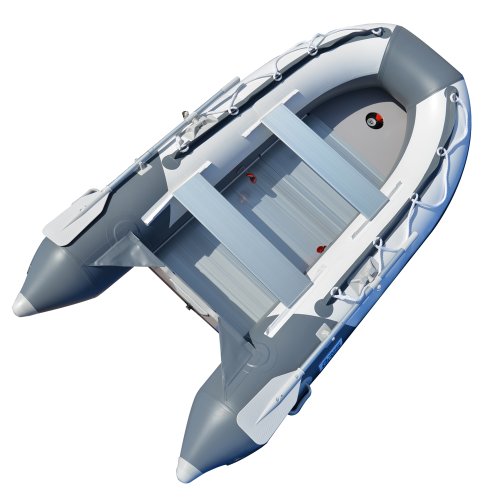
All of our boats come with 3 year manufacturer warranty. Guarantee begins when product is delivered.
Proper Storage Techniques for Extended Lifespan

Now that we’ve covered protecting your hull, let’s focus on proper storage – because even the most damage-resistant kayak won’t last long if it’s stored improperly!
The key to successful kayak storage starts with location. We strongly recommend keeping your vessel in a climate-controlled indoor space like a garage or basement. This protects it from temperature extremes that can cause warping!
Weight distribution is vital. Always store your kayak either upside down or on its side, supported at two points about one-third from each end. Use padded racks or cradles – never stack other items on top. A good option is investing in a heavy-duty kayak garage rack, which can provide secure support and protect your kayak from damage.
Before storing, give your kayak a thorough rinse and completely dry it. Don’t forget to empty all compartments! A cockpit cover can keep unwanted moisture and critters out while your kayak rests between adventures.
Recommended Products

【Storage For A Variety of Watercrafts】The ReRackiT 4 Rack kayak stand, SUP and canoe storage rack provides storage for a mixed arrangement of 4 watercrafts. This rack provides storage for kayaks, standup paddle boards, solo canoes, rowing shells and surf skis. The set of racks you will receive are freestanding so you can adjust the length between the racks. This allows you to store long and short watercrafts. See our "what crafts fit image" to ensure you purchase the rack that is right for your unique combination of kayaks, SUPs and canoes. If you purchase two ReRackiT 4 Rack units you can place them back to back and double your storage capacity to accommodate 8 watercrafts.

ATTENTION CANADIAN CUSTOMERS: Visit Amazon Canada to purchase this product and have it shipped to Canada.
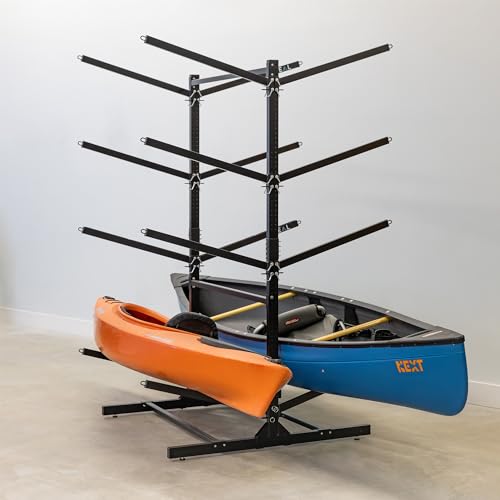
FREESTANDING STORAGE SOLUTION: Organize kayaks, canoes, stand up paddle boards, surfboards, and paddleboard accessories with this 8-level kayak storage rack. Perfect as an indoor garage storage rack or outdoor kayak rack for docks, sheds, and yards.
UV Protection and Weather-Proofing Methods
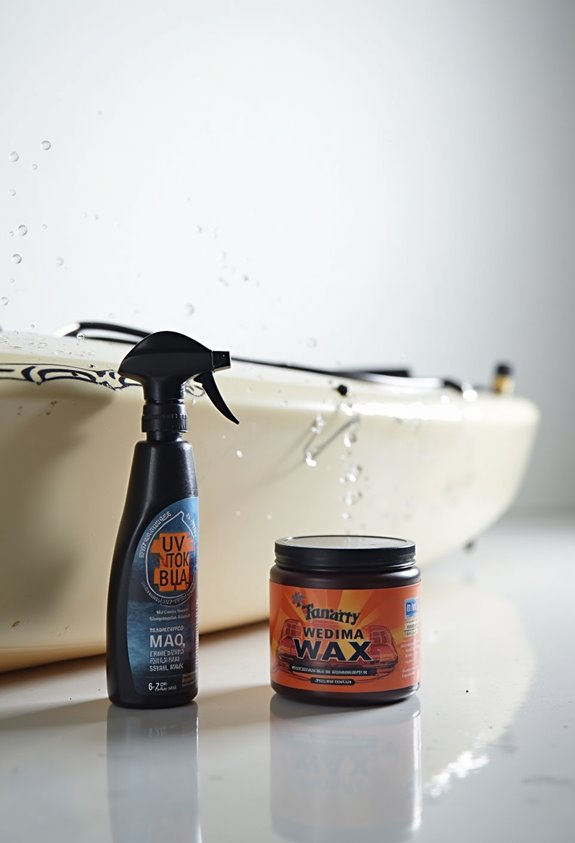
Protecting your kayak from harsh UV rays and weather damage isn’t just smart – it’s essential for extending its lifespan!
We recommend using specialized UV coatings designed specifically for marine use. These create a powerful shield that bonds directly with your hull materials, lasting up to a year with proper application.
For regular maintenance, 303® Aerospace Protectant is our go-to weather protectant. Simply spray it on, wipe it dry, and you’ll have 30-45 days of reliable protection against fading and cracking.
Don’t forget about marine-grade wax! It’s an excellent barrier against UV rays and needs reapplication every 3-4 months. Here’s a pro tip: always clean your kayak thoroughly before applying any protective coating.
Remember to store your kayak in a shaded area or use a UV-resistant cover when it’s not making waves! Additionally, maintaining a balance between packing essentials in your dry bags can prevent overloading and ensure proper kayak performance during your adventures.
Recommended Products

Durable Aluminum Frame: Crafted with powder-coated aluminum (60-70μm protective layer) to resist rust and sun fading. Engineered to endure rain and sun—perfect for year-round outdoor dining.

Modern & Durable Strength: Experience a luxurious and modern aesthetic with this outdoor furniture set; Designed with full-aluminum frames and a super-weather-resistant powder coating, it effectively resists rust and corrosion; Precision-welded extruded tubing and reinforced stress points keep the structure lightweight yet impressively strong and stable, supporting up to 500 lbs; A perfect choice for anyone seeking a luxurious and durable patio sofa set

Modern & Durable Strength: Experience a luxurious and modern aesthetic with this outdoor furniture set; Designed with full-aluminum frames and a super-weather-resistant powder coating, it effectively resists rust and corrosion; Precision-welded extruded tubing and reinforced stress points keep the structure lightweight yet impressively strong and stable, supporting up to 500 lbs; A perfect choice for anyone seeking a luxurious and durable patio sofa set
Rigging System Maintenance and Care
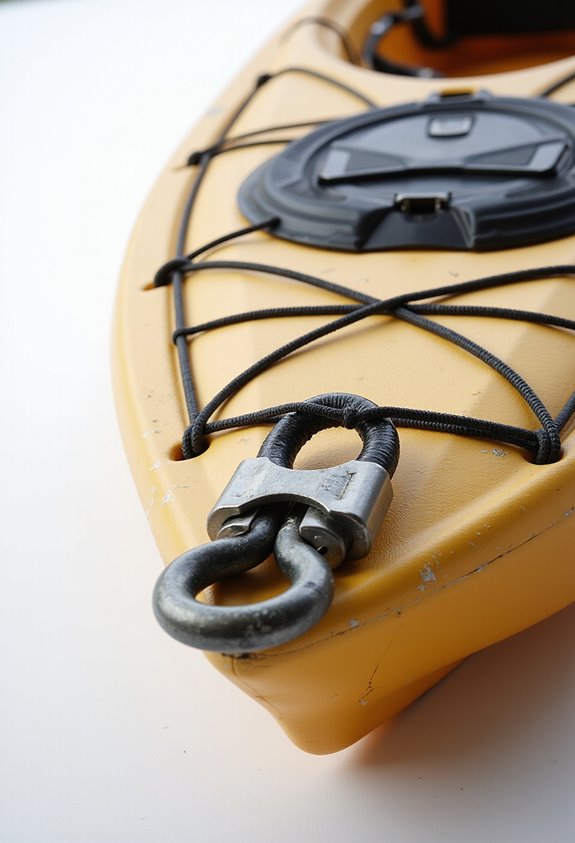
While your kayak’s hull may get the most attention, a well-maintained rigging system is vital for both safety and performance on the water!
Let’s start with regular rigging inspections – we’ll want to check those bungee cords, straps, and cables for wear and tear. When’s the last time you replaced any worn components? Don’t wait until they fail!
Maintenance frequency is key. After each paddle, rinse everything with fresh water and use mild cleaning products to remove grime. Your rigging will thank you!
For smooth operation, proper lubrication techniques are important. Apply marine-grade lubricants to moving parts, especially those foot pedal rails and rudder cables.
Don’t forget about tension adjustments! Keep your lines snug but not overstretched. And when you spot any issues, use appropriate repair methods and sealant applications right away. Additionally, remember that durability and maintenance of your kayak seat is also essential for enhancing your overall experience while paddling.
Recommended Products

Superior Strength & Reliable Performance – TRIBERION paracord features a 750 lb tested tensile strength with a 5/32" (approx. 4mm) diameter. Built with 12 inner core yarns, each made of 3 twisted strands, and a tightly woven 32-strand sheath, this rope provides exceptional durability and stability. Compared with standard 550lb paracord, our 750lb cord delivers up to 200lb higher breaking strength for added security and reliability

Complete Hatch Cover Kit with Storage Bag: This hatch cover kit includes a 9-inch deck plate with locking mechanism plus a 10.2-inch deep storage bag—dry storage to your kayak, inflatable boat, or fishing vessel in one complete package.

Enhanced Safety and Practicality: The red waterproof bag design of this kit enhances safety and practicality by providing a removable option for storage. The waterproof feature ensures that your belongings are protected from water damage, making it a reliable choice for marine applications.
Seasonal Preparation and Storage Guidelines
A well-maintained rigging system sets you up for success, and the same goes for proper seasonal care! Let’s walk through the essential seasonal adjustments needed to keep your kayak performing at its best.
Before winter hits, we’ll want to give our kayak a thorough cleaning and inspection. Remember – dirt and salt are your kayak’s worst enemies! Make those preparation timelines count by checking for cracks, lubricating moving parts, and finding a dry storage spot away from direct sunlight. It’s also a good idea to check for UV protection to prevent fading and degradation over time.
When spring arrives, we’re not done yet! Time to rinse off winter’s cobwebs and conduct another detailed inspection. Check those rigging components, apply UV protectant, and test all mechanical parts.
Pro tip: Keep a maintenance checklist on your phone – it’ll make seasonal changes a breeze!
Regular Safety Checks and Inspections
Safety checks aren’t just another item on your to-do list – they’re the foundation of every successful paddling adventure!
Let’s make sure our kayaks are always ready for action with these essential inspection routines:
Before Each Trip:
- Check hull for damage and leaks
- Test all safety gear including PFDs and whistles
- Verify flotation chambers are dry and sealed
- Inspect grab handles and deck lines
Monthly Inspection Frequency:
- Examine through-hull fittings and gaskets
- Clean hull thoroughly
- Check all hardware and fittings
- Test electronic devices and batteries
Additionally, ensuring durability considerations for your kayak’s material can enhance its longevity and performance.
Caring for Your Kayak’s Propulsion System
Regular safety checks set the stage for peak performance, and nowhere is this more important than with your kayak’s propulsion system!
Let’s tackle propulsion lubrication first – it’s the lifeblood of your kayak’s moving parts! We’ll want to apply marine-grade grease every 75 days, making sure to hit all those essential gears and bearings.
Always rinse your system with fresh water after each adventure (yes, especially after those salty ocean trips!). Sand and salt are your propulsion system’s worst enemies.
Keep an eagle eye on those hardware components! Regular inspections of prop pins, gears, and bearings will save you from unwanted surprises on the water. Remember, following a consistent maintenance schedule helps prevent wear and keeps your kayak performing at its best. Additionally, understanding kayak lifespan is crucial for ensuring longevity in your fishing adventures.
Remember: a well-maintained propulsion system is a happy one!
Managing Water Damage and Leak Prevention
While water’s your kayak’s natural element, it shouldn’t stick around after your adventure! Let’s protect your investment with proper leak prevention and water damage control.
First, we’ll tackle water intrusion at its source. After each paddle, give your kayak a thorough freshwater rinse and dry it completely – those hidden water pockets can be sneaky troublemakers!
Regular leak identification is essential. Grab a flashlight and inspect the hull, seams, and hatches carefully. Look for cracks, loose fittings, or suspicious wet spots that could signal potential issues.
Don’t forget the proactive measures! Apply UV protectant seasonally, keep those scupper holes clear, and use cockpit covers when your kayak’s taking a break. And remember – proper storage is half the battle. Keep it elevated, covered, and away from extreme conditions. Using reliable waterproof storage solutions can significantly enhance your gear protection.
Fix small issues before they become big problems!
Hardware and Fastener Maintenance
Your kayak’s hardware and fasteners are the unsung heroes keeping everything securely in place! Let’s make certain they stay in top condition with proper maintenance.
We’ll start by regularly inspecting all nuts, bolts, and various fastener types for tightness – nobody wants loose hardware during a paddle! Don’t forget to check those shock cords and carry handles too.
After each trip, especially in saltwater, we need to rinse everything thoroughly. A quick spray of silicone lubricant on moving parts will keep things running smoothly. Just remember: less is more when it comes to lubrication!
Looking to upgrade? Consider hardware upgrades like marine-grade stainless steel replacements for better durability. And while you’re at it, check those specialized components like skegs and rudders – they need extra attention to stay responsive. Maintaining proper hardware durability is essential to ensure optimal functionality and safety during your paddling adventures.
Store your kayak properly, and your hardware will thank you!
Proper Transportation and Handling
Proper transportation can make or break a kayak’s longevity! Let’s explore essential transportation techniques that’ll keep your kayak in top shape for years to come.
When loading, we recommend using integrated lift systems or rolling wheels – they’re absolute game-changers for solo paddlers! For two-person teams, coordinate your movements and use the “lift and slide” method with a protective blanket on your vehicle’s rear.
Here are our must-follow handling tips:
- Always secure your kayak with both bow and stern lines
- Use quality cam straps, not bungee cords
- Transport upside-down to reduce wind resistance
- Check tie-downs every few hours on long trips
Remember to take it slow on the road – your kayak isn’t racing to get anywhere! Regular inspection of your transport equipment will prevent unwanted surprises during your adventures.
Accessory Care and Replacement Schedule
Maintaining kayak accessories is just as essential as caring for the vessel itself! Let’s explore some key maintenance routines that’ll extend your accessory lifespan and keep you safe on the water.
After each paddling adventure, we’ll want to rinse our gear with fresh water and mild soap, especially those life jackets and paddles! Store everything in a cool, dry place – nobody wants moldy accessories, right?
Regular inspections are vital. Check your:
- Paddle blades for cracks
- PFD straps and buckles
- Dry bags for holes
- Bungees for elasticity
Don’t forget to replace items when they show significant wear. A damaged life jacket or cracked paddle isn’t worth the risk! Keep a maintenance schedule, and you’ll enjoy reliable performance from all your kayaking gear for seasons to come.
Emergency Equipment Upkeep
Because adventure sports demand rigorous safety measures, keeping emergency equipment in top condition isn’t just smart – it’s essential! We’ve got to stay on top of our first aid and emergency repair supplies with regular inspections.
Let’s make this simple:
- Check PFDs monthly for wear and tear
- Inventory first aid kits after every outing
- Test communication devices before launch
- Replace expired items immediately
Don’t forget those often-overlooked items! Your repair kit should include fresh adhesives, patches, and multi-tools – because nobody wants to discover their epoxy has hardened when there’s a hull crack to fix.
Keep hydration supplies and navigation equipment readily accessible. Remember, your emergency gear is like insurance – you hope you’ll never need it, but you’ll be grateful it’s there when you do!
Hull Material-Specific Care Tips
While we’ve covered emergency preparedness, your kayak’s hull deserves its own special attention! Let’s explore proper kayak hull care based on your boat’s material.
Polyethylene hulls need regular freshwater rinses and UV protection – think of it as sunscreen for your kayak! For fiberglass boats, treat those scratches promptly with gelcoat, and keep them covered when not in use.
Got a fancy Kevlar or carbon fiber hull? These high-performance materials require extra TLC:
- Avoid sharp impacts
- Store in temperature-controlled spaces
- Use UV-blocking sprays
- Address repairs immediately
No matter your hull material, maintenance is key to performance. Regular cleaning, proper storage, and swift repairs will keep your kayak gliding smoothly for years to come. Remember: a well-maintained hull is a happy hull!
Environmental Impact Protection Measures
As responsible kayakers, we’ve got a duty to protect the waterways we love! Let’s explore some eco-friendly modifications and conservation strategies that make a real difference.
Want to minimize your environmental footprint? Start by using biodegradable cleaning products and reef-safe sunscreen. These small changes pack a big punch for marine life protection!
Here’s what else we can do:
- Pack reusable water bottles and containers
- Carry a small trash bag to collect litter
- Launch only from designated spots
- Stay 200+ feet from shorelines when camping
We’ve also got to support local conservation efforts. Join beach clean-ups, volunteer for habitat restoration, and choose local outfitters who prioritize sustainability. Remember – the best kayakers aren’t just skilled paddlers, they’re also passionate environmental stewards!
Frequently Asked Questions
How Often Should I Rotate My Kayak’s Position During Long-Term Storage?
We recommend rotating your kayak’s position every 1-3 months for ideal storage and kayak stability. Let’s make sure we’re turning it from side to side or upside down to prevent pressure points and deformation.
Can I Use Automotive Wax Instead of Marine-Grade Products?
While we can use automotive wax, we don’t recommend it. Marine-grade products are specially formulated for water conditions and offer better UV protection, saltwater resistance, and longer-lasting results on kayak surfaces than automotive wax alternatives.
What’s the Maximum Weight I Should Store on Top of My Kayak?
We recommend keeping weight on your kayak storage under 50-70 pounds, depending on your kayak’s design. For safety, don’t exceed 70% of your kayak’s maximum weight capacity when storing gear on top.
Should I Patch Small Scratches Immediately or Wait Until They Worsen?
We recommend addressing scratches immediately during routine maintenance to prevent bigger issues. For minor marks, heat or sandpaper repairs work well, but deep scratches need urgent patching to maintain your kayak’s structural integrity.
How Do Temperature Fluctuations Affect Different Kayak Materials During Storage?
Let’s face the music: temperature swings wreak havoc on kayak material durability. We’ve found that heat warps plastic hulls, cold makes them brittle, and both extremes damage composites. Temperature-controlled storage’s the way to go.