As an Amazon Associate, we earn from qualifying purchases. Some links on this site are affiliate links at no extra cost to you. Our recommendations are based on thorough research and editorial judgment.


What Are The Differences Between Sea And River Kayaks?

Sea and river kayaks couldn’t be more different! Sea kayaks are longer (12-17 feet), with rounder hulls for stability in waves and extensive storage for multi-day trips. They’re built from lightweight composites and cruise at higher speeds. River kayaks are shorter (7-12 feet), featuring flat hulls for quick turns and durability against rocks. They’re made from tough polyethylene and prioritize maneuverability over speed. The deeper we explore these distinct designs, the more fascinating their specialized purposes become.
Key Takeaways
- Sea kayaks are longer (12-17 feet) for better tracking and speed, while river kayaks are shorter (7-12 feet) for maneuverability.
- Sea kayaks use lightweight composites like fiberglass, whereas river kayaks use durable polyethylene to withstand rock impacts.
- Sea kayaks offer large storage capacity (100-200+ liters) for extended trips, while river kayaks have minimal storage (20-30 liters).
- River kayaks have flat, wide hulls for stability in rapids, while sea kayaks feature V-shaped hulls for efficiency in waves.
- Sea kayaks include rudders and bulkheads for directional control, while river kayaks prioritize simple designs for quick maneuvers.
Design Philosophy and Basic Structure
Kayakers face a fundamental choice when selecting their vessel: sea or river kayak – and the differences start with their core design philosophies!
The basic structure of sea kayaks reflects their ocean-going purpose. We’ll find them crafted from lightweight composites like fiberglass and carbon fiber, with sealed bulkheads creating watertight compartments for safety and storage.
River kayaks? They’re built tough! Their rotomolded polyethylene construction makes them heavier but incredibly durable for bouncing off rocks and maneuvering through rapids.
Think of sea kayaks as long-distance cruisers, engineered for stability in waves and wind. Their design includes perimeter safety lines and bungee rigging for extended journeys.
Meanwhile, river kayaks embrace simplicity. Their streamlined design philosophy prioritizes maneuverability and quick responses – perfect for those heart-pumping whitewater adventures! Additionally, a focus on safety certification standards enhances user confidence while navigating various water conditions.
Hull Shape and Length Comparison
While design philosophies set the foundation, the real magic happens in the hull shape and length!
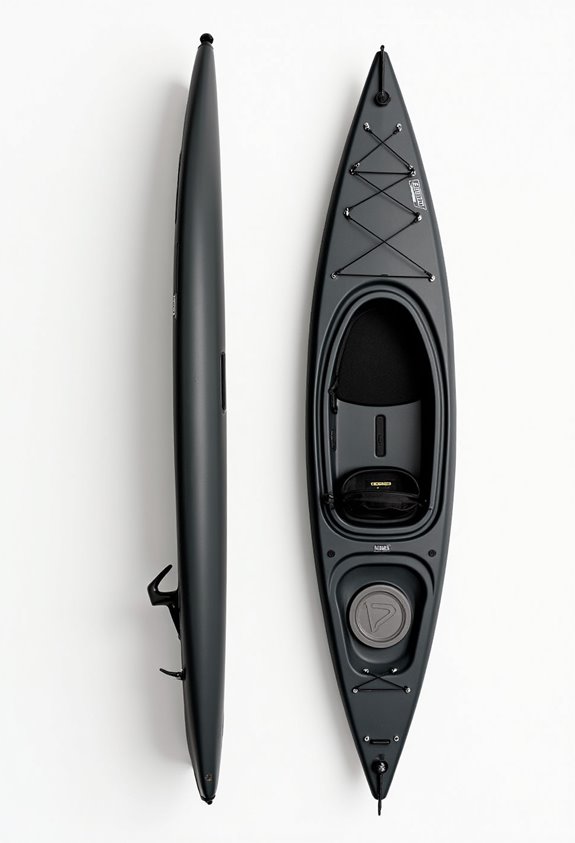
Let’s look at how hull design creates two very different vessels. Sea kayaks feature rounder hulls with gentle curves, perfect for cutting through waves while maintaining stability when the water gets rough. River kayaks? They’re all about those flat, planing hulls that let you skip across rapids like a stone!
When it comes to kayak length, we’re talking about a significant difference. Sea kayaks stretch out to 12-17 feet, giving you that smooth tracking and efficient glide you’ll love on long trips. River kayaks keep it short and sweet at 7-12 feet – just what you need for those quick turns around rocks and through narrow passages!
Want to spot the difference instantly? Just look at the rocker – sea kayaks stay flatter, while river kayaks curve up at the ends. For stability, these designs differ significantly based on the intended use of the kayak.
Recommended Products
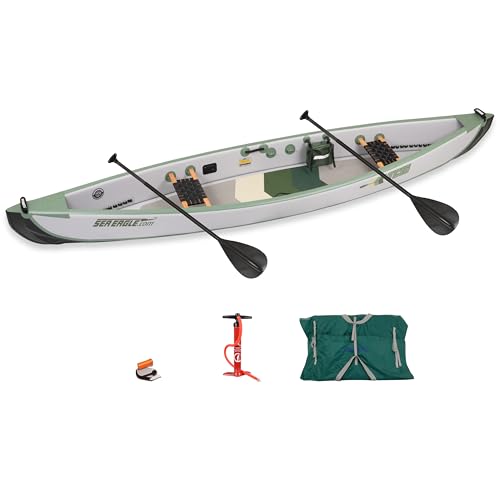
NOW packs smaller & is 10 lbs. lighter with a new lighter, stronger all-woven drop stitch construction, a new modern look, a new larger graphic-patterned non-slip EVA foam deck pad, new stow bag attachment points, new dual accessory pads, new bow & stern Daisy-chain tie-down loops, and new underside abrasion-absorbing reinforcement strips

Skiff, dingy, tender, motorized SUP—Rover Aero 12′6″ packs it all into a travel bag and dominates any water, anywhere

The 12-foot white water raft is designed with HEAT-WELDED heavy-duty PVC that is UV resistant to minimize heat and weathering.
Stability Features and Performance
Two essential stability types define how your kayak performs on the water – and they couldn’t be more different!
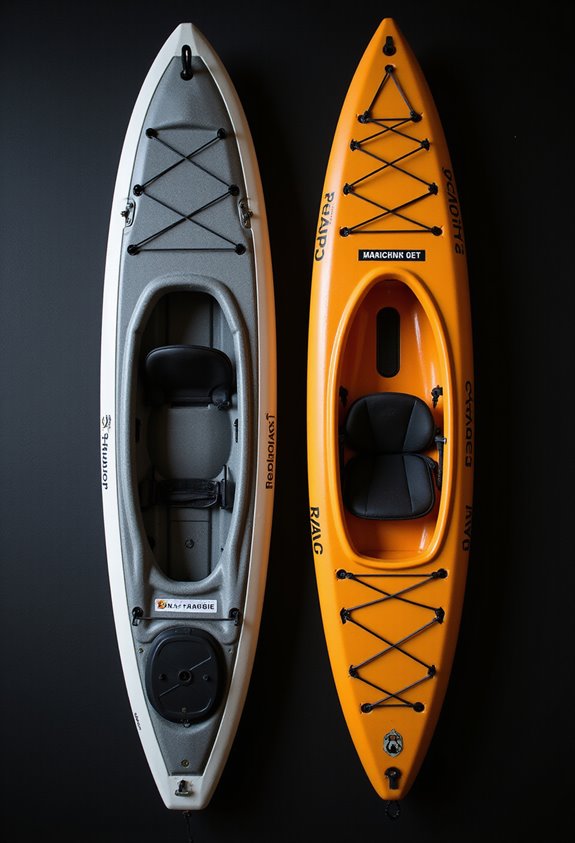
When we look at stability analysis, we’ll find that river kayaks excel at primary stability with their wider, flatter hulls. This makes them super steady on calm water and perfect for maneuvering through turbulent inland waters where staying upright is vital.
Sea kayaks, however, shine in secondary stability performance metrics. Their V-shaped hulls might feel a bit tippy at first, but they’re masters of balance when tilted or riding waves!
Let’s break down the speed factor – sea kayaks can cruise at impressive speeds of 5.0-5.5 mph, while river kayaks typically max out around 4.0 mph. Why the difference? It’s all about those hull shapes – narrower means faster, while wider means steadier! Additionally, kayaks with a retractable rudder allow for enhanced control and maneuverability, which can further impact performance.
Recommended Products

RUGGED, RIGID ALL DROP SITICH CONSTRUCTION - Provides the rigid feel and the paddling speed of a traditional rigid kayak, yet packs in the smallest car trunk or in the corner of a closet. The 473 RazorLite can be paddled up to 5 mph. Featuring New Graphics, Tie-Down loops, Carry Handles and Flexbrace2

STS10 INFLATABLE FISHING BOAT equipped for use in various fishing conditions, on rivers, lakes, bays, in calm or rough weather. Comfortable for 2, easily handled by 1!

Extremely quiet pump
Storage Solutions and Capacity

Beyond hull designs and stability features, storage capacity shapes how we’ll use our kayaks on the water!
Sea kayaks shine when it comes to storage organization, featuring multiple sealed compartments that can hold 100-200+ liters of gear. Their watertight bulkheads and compression-sealed hatches keep everything dry for those multi-day adventures. With their design, they are perfect for utilizing waterproof storage solutions to ensure your gear remains safe during long trips.
River kayaks? They’re minimalists by design! With just 20-30 liters of storage space, they focus on essential gear protection through small dry boxes or basic hatch covers. You won’t find elaborate compartments here – it’s all about staying nimble in those rapids.
Let’s talk practicality: sea kayaks let us distribute weight evenly between bow and stern compartments, while river kayaks keep things simple with cockpit storage or external bags. Ready for that weekend camping trip or afternoon river run?
Recommended Products

COMPATIBILITY | Designed for Dodge Ram 1500 2009–2026 with 5’7” (67.4”) Bed. Includes retractable bed cover, integrated rack system. * Not compatible with Multi-Function (Split) tailgate.

COMPATIBILITY | Specifically designed for 2007-2026 Silverado/Sierra 1500 5'8" (69.9”) bed. Exclusions: Carbon pro bed or model with factory-side storage boxes.**This unit requires drilling holes for drainage tubes.

Guaranteed Dryness: 100% fill tested for waterproof assurance
Material Selection and Construction Methods

Everyone gravitates to different kayak materials based on their paddling style and environment! Let’s explore how material performance shapes these specialized vessels.
Sea kayaks typically feature composite construction with fiberglass or carbon fiber, making them lightweight and sleek. Through advanced construction techniques like vacuum infusion molding, we get boats that slice efficiently through open water.
River kayaks? They’re built tough! Manufacturers use rotomolded polyethylene to create durable hulls that can bounce off rocks without breaking. While heavier than their seafaring cousins, these kayaks handle rough impacts like champs. Many river kayaks also incorporate durability and longevity features that enhance their resilience against harsh conditions.
Want the best of both worlds? Some river kayaks use ABS plastic, offering a sweet spot between durability and weight. However, for those long coastal adventures, nothing beats the refined performance of composite materials – just keep them away from those pesky rocks!
Cockpit Design and User Interface
Material choices matter, but a kayak’s cockpit design can make or break your paddling experience! Let’s explore how sea and river kayaks differ in their cockpit ergonomics.
Sea kayaks feature smaller, keyhole-shaped cockpits that prioritize control and weather protection. They’re snug around your thighs and hips – perfect for those long ocean adventures where you’ll need precise boat control!
River kayaks? They’re all about quick exits and maximum mobility. The cockpit’s larger, more open design enhances the user experience when you need to bail out fast in whitewater situations.
Both designs support rolling practice, but they serve different purposes:
- Sea kayaks: Control and dryness
- River kayaks: Safety and maneuverability
Want comfort? River kayaks offer more customizable outfitting, while sea kayaks balance security with long-distance ergonomics. Many advanced kayak designs also feature improved seat and footrest options for enhanced comfort on longer trips.
Maneuverability Vs Speed Characteristics
While both sea and river kayaks get you moving through water, they couldn’t be more different when it comes to speed and maneuverability!
Let’s look at their key performance dynamics. River kayaks feature shorter, flatter hulls that excel at quick turns and spins – perfect for steering through those tricky rapids and narrow passages. Think of them as the sports cars of the kayaking world!
Sea kayaks, on the other hand, are the long-distance cruisers. Their sleek, extended hulls are all about tracking straight and maintaining speed over distance. Their navigation strategies focus on efficient forward momentum rather than nimble maneuvers. Additionally, many sea kayakers choose to utilize waterproof phone cases during their outings to capture stunning scenery and navigate effectively.
Want to spin on a dime? Go with a river kayak. Planning to cover miles of open water? A sea kayak’s your best friend. Each design makes specific trade-offs between quick handling and sustained speed.
Safety Features and Rescue Considerations
Safety features in sea and river kayaks couldn’t be more different – and for good reason!
Let’s look at how these vessels handle rescue techniques. River kayaks focus on quick-response safety protocols, with airbags for flotation and impact protection against rocks. They’re designed for fast escapes in rushing water, where every second counts!
Sea kayaks take a different approach. We’ll find built-in bulkheads, reflective tape, and more storage space for rescue equipment. Why? Because when you’re miles from shore, you need reliable safety features that can handle big waves and strong winds. Additionally, many sea kayaks incorporate US Coast Guard approvals to ensure compliance with safety standards and reliability.
Want to know the most important difference? River rescues happen closer to shore, while sea kayak emergencies require longer-distance recovery plans. That’s why sea kayakers must master self-rescue techniques – help might be hours away!
Environmental Adaptations
Let’s explore how these boats handle environmental challenges! Sea kayaks battle saltwater corrosion, UV exposure, and powerful ocean currents – so they’re built with durable materials and self-draining systems. River kayaks? They need tough-as-nails construction to withstand constant rock impacts!
Weather and climatic factors also shape these differences. Sea kayaks must handle everything Mother Nature throws at them – from fierce winds to massive swells. Meanwhile, river kayaks focus on conquering gradient-driven currents and maneuvering obstacle-filled waterways with confidence. Additionally, the design type of these kayaks plays a crucial role in their performance and stability in their respective environments.
Skill Requirements and Learning Curve
Mastering different types of kayaking demands distinct skillsets that reflect each environment’s unique challenges! River kayakers need quick reflexes and rapid-fire decision making – you’ll be learning swift-water rescue techniques and mastering those eddy turns faster than you can say “whitewater”! The skill progression here often moves quickly through guided instruction. Sea kayaking? We’re looking at a longer learning curve where patience truly pays off. You’ll need to develop efficient forward strokes, master navigation skills, and become one with the weather patterns (yes, you’ll become quite the amateur meteorologist!). The right choice of equipment, such as bamboo standup paddleboards, can enhance your kayaking experience and ensure sustainability. Training techniques vary considerably between disciplines. While river kayakers focus on short, powerful bursts and quick maneuvering, sea kayakers build endurance for those long-distance paddles against wind and tide. Both paths require dedication – but what an adventure they offer!
Equipment and Gear Compatibility
While both types of kayaks share some basic equipment needs, the specialized gear requirements between sea and river kayaking couldn’t be more different!
Let’s look at paddle types first. River kayakers need shorter paddles for those quick, nimble turns in rapids, while sea kayakers use longer ones to efficiently cruise through open water. Pretty clever design, right?
When it comes to gear choices, sea kayaks often come equipped with rudders or skegs for better tracking – essential for those long ocean adventures! They also require more storage space and full skirts for challenging conditions.
River kayaks, meanwhile, keep things simple and lightweight. You’ll find smaller cockpits, basic neoprene skirts, and minimal storage – perfect for maneuvering through those tight spots and staying agile on the water!
Recommended Products
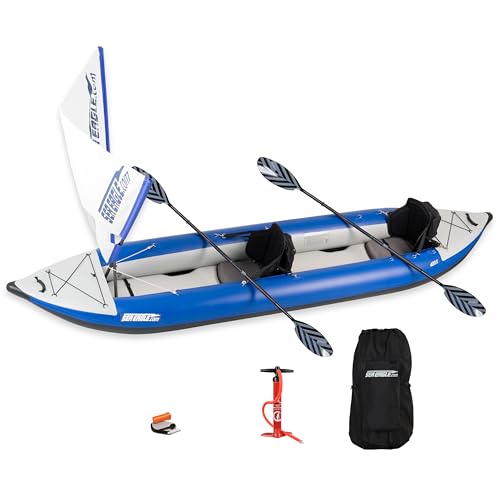
GREAT WET OR DRY BOATS - they are tough enough for class four whitewater, but stable, dry, and comfortable on flat-water. The high-pressure DS floor provides great rigidity and super responsive paddling performance
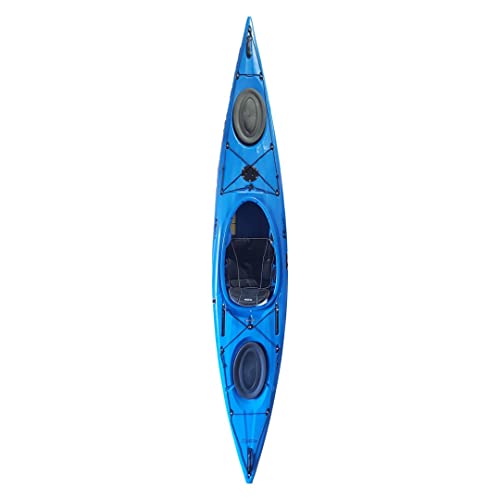
𝐘𝐨𝐮𝐫 𝐀𝐝𝐯𝐞𝐧𝐭𝐮𝐫𝐞 𝐒𝐭𝐚𝐫𝐭𝐬 𝐇𝐞𝐫𝐞: Discover unmatched stability and endless customization for every kayaking journey, perfect for paddlers of all levels.
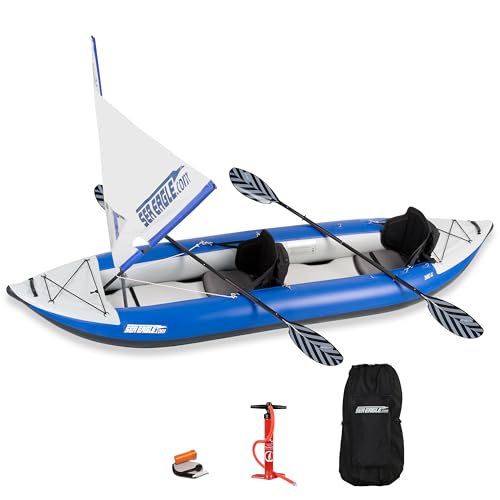
Great wet or dry boats - they are tough enough for class four whitewater, but stable, dry, and comfortable on flat-water. The high-pressure DS floor provides great rigidity and super responsive paddling performance.
Durability and Impact Resistance
Speaking of gear choices, another major factor that sets these kayaks apart is how they handle rough treatment! Let’s explore how these vessels stand up to punishment.
River kayaks feature thicker polyethylene construction that’s built to take a beating, with reinforced edges that can withstand repeated rock encounters. They’ll typically serve you well for 5-10 years of regular use with basic repair techniques.
Sea kayaks take a different approach. While polyethylene versions offer similar toughness, many are made from lightweight composites that trade some impact resistance for speed. They’re designed with sophisticated bulkheads and sealed compartments to maintain safety even if damaged. Their lifespan expectations can actually exceed river kayaks when properly maintained – just keep them away from those rocky shorelines!
Remember: UV protection is essential for both, but especially for sea kayaks facing constant sun exposure.
Transportation and Portability Factors
Since transportation can make or break your kayaking experience, let’s explore how river and sea kayaks differ when it comes to getting them from point A to point B!
When it comes to transport logistics, river kayaks are the clear winners. At just 9-14.5 feet long, they’re lighter and easier to handle than their sea-going cousins. We can usually lift them onto vehicles without breaking a sweat!
Sea kayaks present more of a challenge with their longer frames and heavier kayak weighting. You’ll need specialized equipment like V-shaped carriers and extended roof racks to transport them safely.
Want the ultimate in portability? Consider inflatable river kayaks! They deflate for easy storage in your trunk, while rigid sea kayaks demand dedicated roof space and careful securing. For frequent paddlers who value simplicity, river kayaks definitely make life easier.
Recommended Products

Outfitter 2 Person Kayak - Owner's Manual - MFG 10 Year Limited Warranty

SUPERIOR STABILITY - The Lynx 2's wide 39-inch beam provides exceptional stability on the water, making it ideal for both beginners and experienced kayakers seeking a secure and steady ride.

Multi-Functional Design – Three Modes in One .Easily transform your fishing experience! The inflatable fishing pedal Kayak allows for seamless modifications—remove the pedal system and attach an acrylic board for a standard fishing pedal board. Want extra power? Swap the back for a motorized fin and turn it into a motorized fishing board.
Frequently Asked Questions
Can You Use a Sea Kayak on Rivers or a River Kayak Offshore?
Want to test your kayak’s versatility? While we can technically use either type in different water conditions, we don’t recommend it – sea kayaks struggle in tight rivers, and river kayaks aren’t safe for rough offshore waters.
What’s the Typical Price Difference Between Sea and River Kayaks?
When we compare prices, we’ll find sea kayaks typically cost $1,000-3,000 more than river kayaks. Budget considerations should include that sea kayaks’ higher-quality materials and advanced features drive up their price considerably.
How Long Do Sea Kayaks and River Kayaks Typically Last?
Time flies when we’re paddling! We’ll typically get 10-20 years from sea kayaks and 8-15 years from river kayaks. The durability comparison shows sea kayaks last longer, though both need similar maintenance requirements.
Which Type of Kayak Is Better for Fishing Activities?
We’d recommend fishing kayaks for angling activities since they’re designed with specific fishing kayak features like enhanced stability considerations, wider hulls for standing, and accessible gear storage – unlike sea or river kayaks’ speed-focused designs.
Do Sea and River Kayaks Require Different Paddle Types?
Like night and day, we’ll need different paddle designs: river paddles are shorter with tough blades for quick strokes in rapids, while sea paddles are longer and lighter for smooth, efficient stroke techniques in open water.