As an Amazon Associate, we earn from qualifying purchases. Some links on this site are affiliate links at no extra cost to you. Our recommendations are based on thorough research and editorial judgment.


When Should You Replace Your Kayak Paddle?

We should replace our kayak paddle when physical damage like cracks, splits, or compromised joints becomes visible – these are major safety red flags! Performance issues like uneven tracking, decreased power, or wobbling during strokes also signal it’s time for a new paddle. Watch for material fatigue signs including unusual flexibility, surface wear, and increased paddler fatigue. Regular inspections of blade integrity and locking mechanisms help catch problems early. Let’s explore the key warning signs that tell us when our trusted paddle needs retirement.
Key Takeaways
- Replace your kayak paddle when visible cracks, splits, or fractures appear in the shaft or blade areas.
- Excessive wobbling, vibration, or uneven strokes during paddling indicate structural problems requiring replacement.
- Loose or damaged ferrule connections that cannot be repaired compromise safety and warrant a new paddle.
- Significant material fatigue, shown through increased flexibility, unexpected weight changes, or surface degradation requires replacement.
- Consider replacement when repair costs exceed $100, as entry-level replacements start at $50-100 and offer better value.
Physical Damage Warning Signs
Safety comes first when you’re out on the water, and your paddle’s condition can make or break your kayaking experience! As part of your regular paddle inspection techniques, we need to watch for critical damage signs that tell us it’s time for a replacement.
Let’s examine your paddle closely! Look for visible cracks, splits, or fractures in the shaft and blade areas – these are major red flags. We often see paddlers ignore small chips and gouges, but these can quickly develop into dangerous weak points.
Watch out for any separation between parts or bent shafts – these aren’t just kayak maintenance tips to ignore! If your paddle segments feel wobbly or you hear concerning creaks and pops during use, it’s definitely time to start shopping for a new one. Remember, paddles made from lightweight carbon fiber offer enhanced durability, making the need for replacement even more critical.
Remember: A compromised paddle isn’t worth the risk!
Performance Red Flags in Paddle Function

Performance issues with your paddle can sneak up on you! When your paddle grip feels different or your stroke consistency suffers, it’s time to pay attention to these key warning signs.
We’re seeing more paddlers struggle with deteriorating performance before they realize their paddle needs replacement. Watch for:
- Decreased speed and acceleration despite maintaining your usual effort
- Uneven tracking that requires constant correction
- Loss of that crisp “catch” feeling when your blade enters the water
- Growing fatigue during your regular paddling sessions
Remember how smoothly your paddle moved when it was new? If you’re working harder to maintain your normal pace or noticing your kayak wandering off course more frequently, these red flags suggest it’s time for an upgrade! Additionally, paddle length can significantly affect your performance, so ensure it suits your height and kayak width.
Understanding Material Fatigue
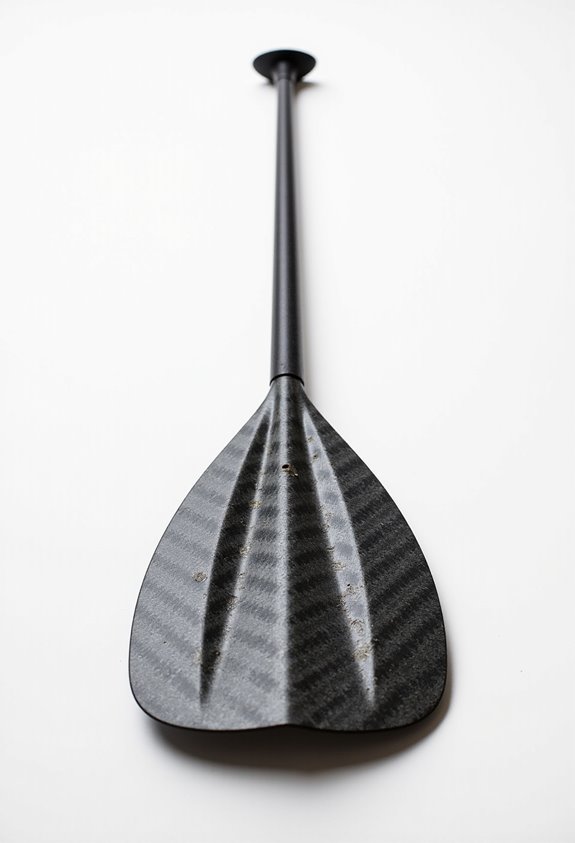
Those performance issues we discussed? They’re often caused by material fatigue – a paddle’s gradual breakdown from repeated stress and environmental exposure. Let’s understand these fatigue mechanisms!
Different materials tell different stories. Aluminum shows visible dents and bends, while carbon fiber can hide dangerous micro-cracks beneath its surface. Even the toughest materials have their breaking points.
The real science lies in the material properties. Think of it like this – every stroke puts stress on your paddle’s molecular structure. Over time, UV rays, temperature changes, and water exposure team up to weaken these bonds. Choosing lightweight materials like carbon fiber can significantly enhance your paddle’s performance and longevity.
Want to spot fatigue early? Look for:
- Unusual flex or wobble
- Surface degradation or discoloration
- Delamination (layers separating)
- Changes in sound or vibration during strokes
Recommended Products

A strong and durable high-angle blade design delivers plenty of purchase to propel even the heaviest sit-on-top fishing kayak
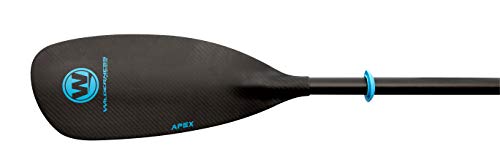
Designed to deliver maximum boat control for recreational and touring paddlers
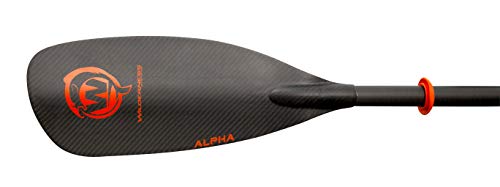
Features a powerful and aggressive blade design - the perfect choice for the hardworking Angler poised to fish in all conditions.
Essential Safety Inspections
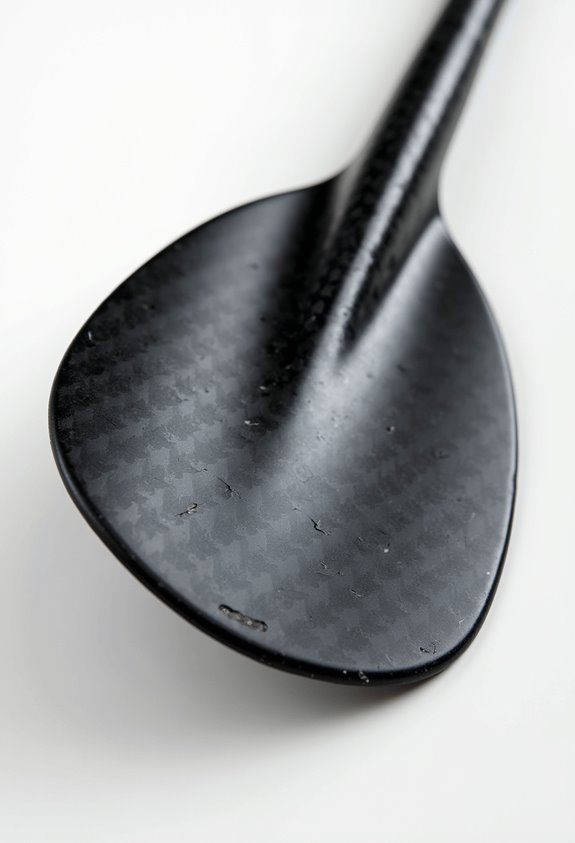
Regular inspection of your paddle isn’t just smart – it’s essential for preventing disasters on the water!
Let’s walk through key paddle inspection techniques that every kayaker needs to know. First, run your hands along the shaft, feeling for any cracks, bends, or weak spots. Don’t forget to check those blade edges!
Critical Areas to Examine:
- Joint connections and locking mechanisms
- Blade-to-shaft attachment points
- Surface integrity and coating condition
- Grip security and comfort
Your safety equipment checklist should always include a thorough paddle evaluation before heading out. What’s that creaking sound? It might be telling you something important! Check for UV damage, saltwater corrosion, and those sneaky stress fractures that can turn a great day on the water into an unexpected swimming lesson. Additionally, remember that regular maintenance is crucial to extending the life of your paddle and ensuring it’s safe for use.
Impact of Environmental Exposure
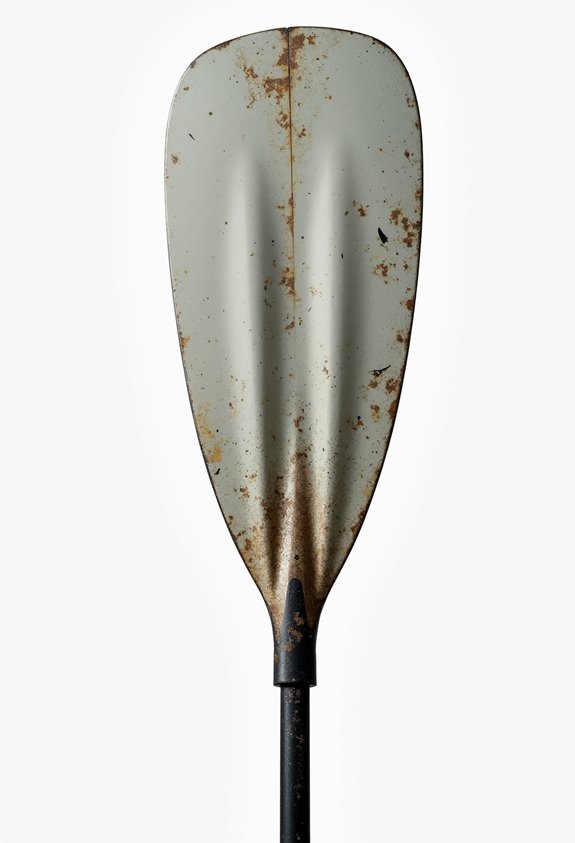
While you might think your kayak paddle is invincible, Mother Nature‘s got other plans! Environmental conditions like UV rays, saltwater, and extreme temperatures are constantly working to break down your paddle’s materials.
Let’s face it – your paddle takes quite a beating! From harsh sunlight degrading the surface to saltwater corroding metal components, the elements can be relentless. And don’t forget about those sneaky physical impacts from rocks and debris.
That’s why smart maintenance strategies are essential. We recommend:
- Rinsing after every use (especially after saltwater exposure)
- Storing in a cool, dry place away from direct sunlight
- Applying UV-protective coatings annually
- Inspecting regularly for signs of wear
Moreover, telescopic SUP paddles are often designed for easy transport and storage, providing additional benefits for paddlers who travel frequently. Want your paddle to last longer? Think of it like sunscreen – prevention is way easier than dealing with damage later!
Recommended Products

BUILT FOR LASTING DURABILITY & STABILITY: Inflatable boats for adults made with heat-welded PVC and a reinforced .9mm 1100-denier rip-resistant fabric layer for heavy-duty use; resists punctures, UV exposure, oil stains, and everyday wear, while the stylish high-pressure drop-stitch air floor helps provide smooth, comfortable, stable rides equal to a RIB for casual boating and fishing

BUILT FOR LASTING DURABILITY & STABILITY: Inflatable boats for adults made with heat-welded PVC and reinforced 1100 denier material; resists punctures, UV damage, and wear, while the aluminum floor provides a stable ride for casual boating and fishing

Old Town's three-layer molded polyethylene hull and keeled design provide years of worry-free paddling.
Comfort and Ergonomic Indicators
Comfort makes all the difference between an epic paddling adventure and a painful ordeal!
We need to pay close attention to how our paddle grip feels – it’s telling us important things about wear and tear. When wrist comfort starts declining or we notice increased strain during normal paddling sessions, that’s a red flag!
Key signs it’s time for a replacement:
- Handles feel loose or worn down
- Wrist pain develops during shorter trips
- Shaft flexibility has increased
- Paddle feels heavier than usual
- Feathering mechanism sticks or slips
Don’t ignore these ergonomic warning signs. A properly functioning paddle should maintain neutral wrist alignment and provide smooth power transfer through every stroke. After all, who wants their peaceful paddle turning into an unplanned endurance challenge? Replace your paddle before discomfort becomes injury! In fact, fiberglass paddles are often lighter and more durable, making them a great choice for optimal performance.
When Repairs Make Sense
When damage is limited and doesn’t compromise overall integrity, repairs can make perfect sense – especially for newer or high-end paddles. The key is knowing when to fix versus when to replace.
Consider these smart repair scenarios:
- Small blade cracks or chips that can be fixed with epoxy
- Loose ferrules that just need re-gluing
- Surface damage that’s mainly cosmetic
- Paddles still under manufacturer warranty
While temporary fixes like PVC patches might get you through your next outing, we strongly recommend exploring manufacturer options first. Companies like Aquabound often provide reliable, cost-effective repairs that’ll last much longer than DIY solutions. Additionally, ensure that your kayak paddle is compatible with your kayak to promote usability.
Remember: If you’re heading into challenging waters, don’t risk it with questionable repairs!
Recommended Products

EPOXY KITS include low-viscosity resin and clear, non-blushing hardener for woodworking, boat building, laminating and repair projects. Ideal for clear coating. Simple mix ratio of 2 parts resin to 1 part hardener
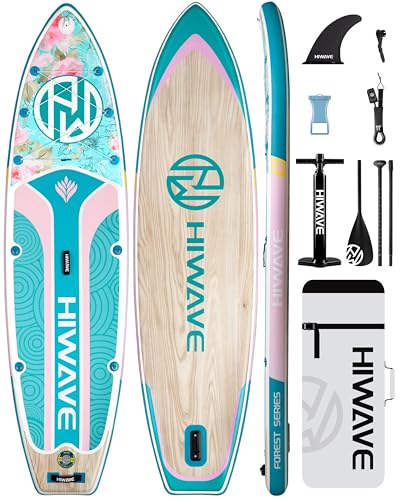
【Attention to Quality and Detail】- Quality is the top priority. Hiwave inflatable paddle board is crafted from premium materials, measuring 11’ x 34" x 6", weighing 20 lbs, with a capacity up to 420 lbs. It is a durable and stable paddle boards for adults of all skill levels, and also perfect to bring furry pets along. From the design to the production process, we ensures that every detail of the sup paddle board meets high standards.
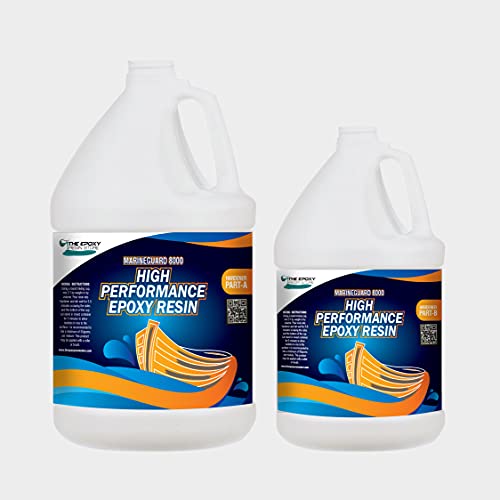
UV Stable, NON Yellowing Epoxy System - Safer Than Fiberglass Epoxy
Cost Analysis of Replacement Vs Repair
Making smart financial decisions about paddle repair versus replacement starts with understanding the real costs involved! Let’s break down the key factors to weigh.
For minor repairs like small cracks, you’re typically looking at $60 in labor plus materials – often making repair the budget-friendly choice. But watch those shipping costs! A non-breakdown paddle can be surprisingly expensive to ship.
When repair costs creep above $100, it’s time to evaluate replacement benefits. Entry-level paddles start around $50-100, while mid-range options run $100-300. Sure, that premium carbon fiber paddle might look tempting at $500+, but do you really need it? Consider the advantages of durable materials such as fiberglass and reinforced PP, which enhance long-lasting performance for regular paddlers.
Assess your paddling frequency and style. If you’re hitting the water weekly, investing in a quality replacement could actually save money long-term through improved durability and performance.
Recommended Products

Programmable LED Underlighting - The mast head contains lights that illuminate the underside of your board. Great for cruising in twilight.

Equipped with a saltwater-ready, GPS-enabled Minn Kota trolling motor, the Old Town Sportsman AutoPilot 120 motorized kayak allows you to propel and maneuver using the Bluetooth-connected i-Pilot remote. Motor battery is not included.

Ideal for open water anglers and tournament fishing pros, the Old Town Sportsman BigWater PDL 132 pedal kayak's easy-to-use forward/reverse pedal drive provides easy, hands-free navigation and fishing; pedal drive is removable for easy transport.
Advancing Your Paddling Requirements
Three key signs indicate it’s time to level up your paddle game as your skills advance!
First, when you’re regularly paddling 12+ miles and tackling challenging conditions like 15-30 knot winds, your beginner paddle just won’t cut it anymore. Advanced paddling techniques demand equipment that’s optimized for power and control.
We’re looking for carbon fiber or fiberglass composites that’ll give you that essential strength-to-weight advantage. Your paddle should match your growing skillset!
Think about how you’re using your paddle now – are you practicing rescue techniques, steering through rough surf, and executing complex strokes? Those standard recreational paddles weren’t designed for this level of performance. Consider optimizing paddle selection with features like:
- Stiffer shafts for better power transfer
- Asymmetrical blades for enhanced control
- Ergonomic grips for those longer adventures
Additionally, it’s essential to choose a paddle of the appropriate paddle length to ensure efficiency in your strokes.
Signs of Structural Compromise
While advancing your paddling skills is exciting, keeping your paddle in top shape is just as important! Let’s review key signs that your paddle needs attention during your structural assessment.
When conducting a paddle evaluation, watch for these critical indicators:
- Material deterioration from UV exposure or rough handling
- Visible cracks or breaks in the shaft or blade
- Wobbling or uneven strokes during use
- Increased vibration during paddling
- Loose or damaged ferrule connections
Don’t ignore those small dents and scratches – they can develop into bigger problems! And if you’re noticing frayed edges or a worn-out grip, it’s time to take action.
Remember: A compromised paddle isn’t just about performance – it’s about safety! Regular checks help prevent unexpected failures when you’re out on the water, ensuring you have reliable coiled SUP leashes for extra security on your paddling adventures.
Paddle Lifespan Factors
Several key factors determine how long your kayak paddle will serve as your trusted companion on the water!
When it comes to paddle material types, we’re looking at a clear trade-off. Fiberglass offers that sweet spot between weight and durability, while carbon fiber brings premium performance at a higher price point. Plastic blades? They’re tough as nails but a bit on the heavier side.
Your usage patterns make a huge difference too! Are you a weekend warrior or hitting the rapids daily? High-intensity paddling in rough conditions will naturally wear your paddle faster than casual lake excursions.
Environmental exposure is another big player. We’ve seen many great paddles deteriorate simply from being stored in direct sunlight or left unwashed after saltwater adventures.
Remember: quality construction and regular maintenance will help your paddle go the distance!
Choosing Your Next Paddle
Now that you know when it’s time for a paddle upgrade, let’s get you matched with the perfect replacement!
The world of paddle types opens up exciting possibilities for your next adventure. Are you ready to power through recreational waters? A Euro blade might be your match! Looking for long-distance efficiency? Consider a sleek Greenland paddle.
Your material choices will considerably impact performance and longevity. We love fiberglass for its versatile durability, while carbon fiber brings that lightweight edge serious paddlers crave. Wood offers timeless appeal, though it’ll need some TLC.
Remember to match your paddle length to your style:
- Whitewater: 190-204 cm for agility
- Recreational: 210-260 cm for stability
- Touring: Longer lengths for open water efficiency
Don’t forget – your budget matters too! Quality paddles start around $100, with high-performance options climbing higher.
Recommended Products

RUGGED, RIGID ALL DROP SITICH CONSTRUCTION - Provides the rigid feel and the paddling speed of a traditional rigid kayak, yet packs in the smallest car trunk or in the corner of a closet. The 473 RazorLite can be paddled up to 5 mph. Featuring New Graphics, Tie-Down loops, Carry Handles and Flexbrace2
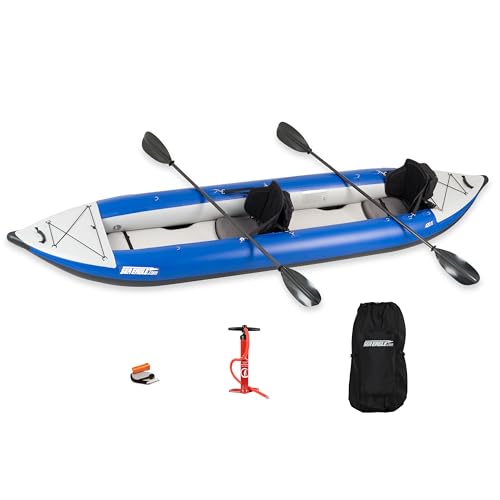
GREAT WET OR DRY BOATS - they are tough enough for class four whitewater, but stable, dry, and comfortable on flat-water. The high-pressure DS floor provides great rigidity and super responsive paddling performance.

Great wet or dry boats - they are tough enough for class four whitewater, but stable, dry, and comfortable on flat-water. The high-pressure DS floor provides great rigidity and super responsive paddling performance.
Frequently Asked Questions
Can I Store My Kayak Paddle Vertically Without Causing Damage?
We don’t recommend vertical alignment for kayak paddle storage, as it risks warping and stress damage. Instead, follow these storage tips: lay your paddle flat or hang it horizontally to maintain its shape and integrity.
How Often Should I Rotate My Kayak Paddle During Long-Term Storage?
Like flipping a pancake, we should rotate our stored kayak paddle every 2-3 months. Simply change its paddle position to prevent warping, especially if your storage environment isn’t climate-controlled or has variable conditions.
Does Paddle Weight Affect Its Overall Lifespan?
We’ve found that weight itself doesn’t directly affect lifespan, but paddle materials do. Lighter carbon fiber lasts longer than aluminum, though proper paddle maintenance matters more than weight in determining longevity.
Should I Use Different Paddles for Freshwater Versus Saltwater Kayaking?
Yes, we recommend using different paddles. For freshwater advantages, standard paddles work well with less maintenance. However, for saltwater considerations, we’d suggest using specially coated, corrosion-resistant paddles to guarantee longer-lasting performance.
Can Using Paddle Covers Significantly Extend the Life of My Paddle?
Just as umbrellas shield us from harsh sun, we’ll tell you that paddle covers protect your investment! They’ll remarkably extend paddle life by preventing UV damage, physical impacts, and moisture deterioration to paddle materials.


