As an Amazon Associate, we earn from qualifying purchases. Some links on this site are affiliate links at no extra cost to you. Our recommendations are based on thorough research and editorial judgment.


When Is The Best Time Of Year To Go Kayaking?

Spring and fall offer the ideal conditions for kayaking, with comfortable temperatures between 50-80°F and fewer crowds on the water! We love hitting the water in early spring when snowmelt creates perfect water levels, while fall treats us to stunning foliage and stable weather patterns. Summer can work great too – just stick to morning paddles before the heat kicks in. Winter requires more preparation, but don’t let that stop you. Let’s explore how to make the most of each season’s unique paddling opportunities!
Key Takeaways
- Spring and fall offer ideal temperatures between 50-80°F with fewer crowds, making these seasons perfect for most kayaking adventures.
- Summer mornings provide calm waters and comfortable conditions, but avoid paddling during peak heat hours (11 AM – 4 PM).
- Spring snowmelt creates optimal water levels for mountain river trips, while spring rains enhance overall paddling conditions.
- Fall features stable weather, reduced thunderstorm risk, and beautiful autumn foliage, creating excellent conditions for extended paddling sessions.
- Year-round kayaking is possible with proper gear, but seasonal weather patterns should guide when and where you paddle.
Understanding Seasonal Weather Patterns for Kayaking
When it comes to planning the perfect kayaking adventure, understanding seasonal weather patterns isn’t just helpful – it’s essential for both safety and enjoyment!
Let’s break down what we need to know about kayaking conditions throughout the year. Early summer offers ideal temperatures in the 60s-90s°F, perfect for comfortable paddling without cold shock risks.
Want to avoid the crowds? Fall might be your sweet spot! September through November delivers stable temperatures around 70-90°F with fewer paddlers on the water.
We’ve got to watch those spring conditions carefully. While the scenery’s gorgeous, water temperatures in the 40s-50s°F can be dangerous if you capsize. Late summer and early fall generally provide the most stable weather patterns, making them ideal for relaxed adventures on the water. Additionally, the kayak dimensions recommended for stability are best appreciated during these favorable conditions.
Remember: morning paddles typically offer calmer conditions than afternoon excursions!
Spring Kayaking: A Prime Time for Adventure
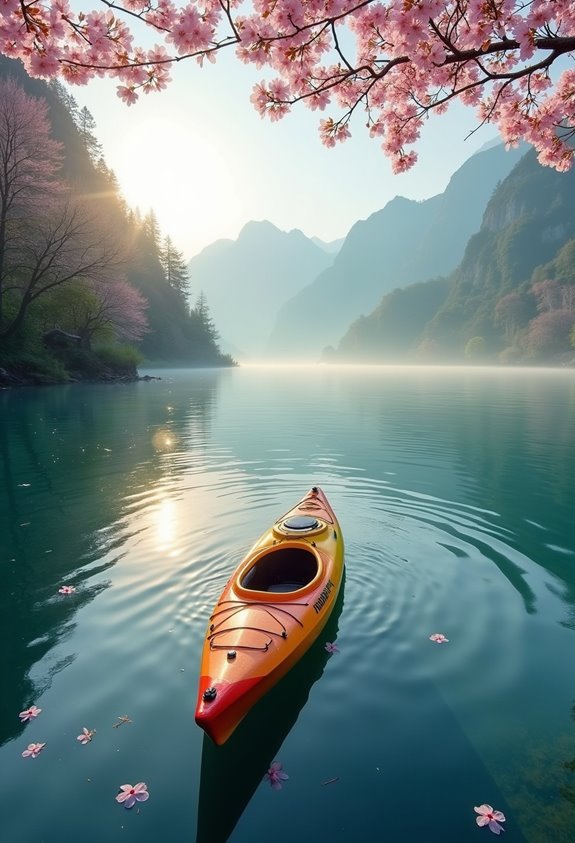
Spring brings an incredible opportunity for kayakers to experience nature’s dramatic awakening! With fewer crowds on the water, we can fully immerse ourselves in the season’s unique offerings.
The combination of snowmelt and spring rains creates ideal water levels for exploring new kayaking routes. Keep your eyes peeled for spring wildlife – you’ll spot everything from nesting birds to newly active mammals along the shoreline!
We love spring kayaking for its perfect balance of adventure and comfort. The mild temperatures mean we’re not battling summer’s intense heat, yet the water’s still exciting enough to keep us engaged. Additionally, it’s crucial to ensure kayak stability and performance in varied water conditions for a safe experience.
Remember to dress for success! Spring waters can be chilly, so pack a wetsuit and always wear your PFD. Want to maximize your experience? Join a local kayaking group – they’ll know all the best springtime spots!
Recommended Products
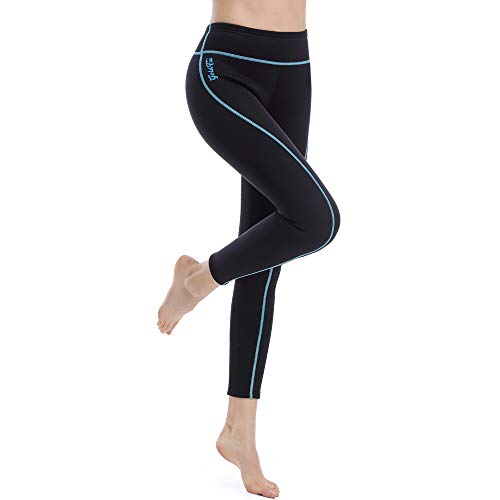
[Wide Applications] The women's wetsuit pants are great for snorkeling, diving, kayaking, canoeing, rafting, swimming, surf, kiteboarding, water aerobics, exercises, and other water activities.

Why: The Hevto full wetsuit is a must-have for anyone planning water activities in cold temperatures or for an extended time. Its insulating properties keep your body warm and comfortable, and the added buoyancy makes swimming and other water sports more efficient.
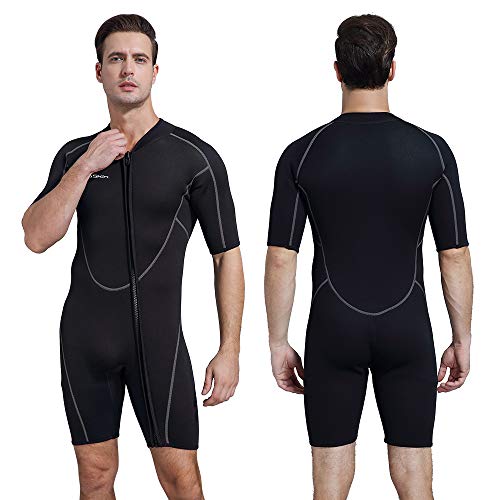
Please refer to the Seaskin size chart to choose your wetsuit size.
Summer Paddling: Managing Heat and Sun
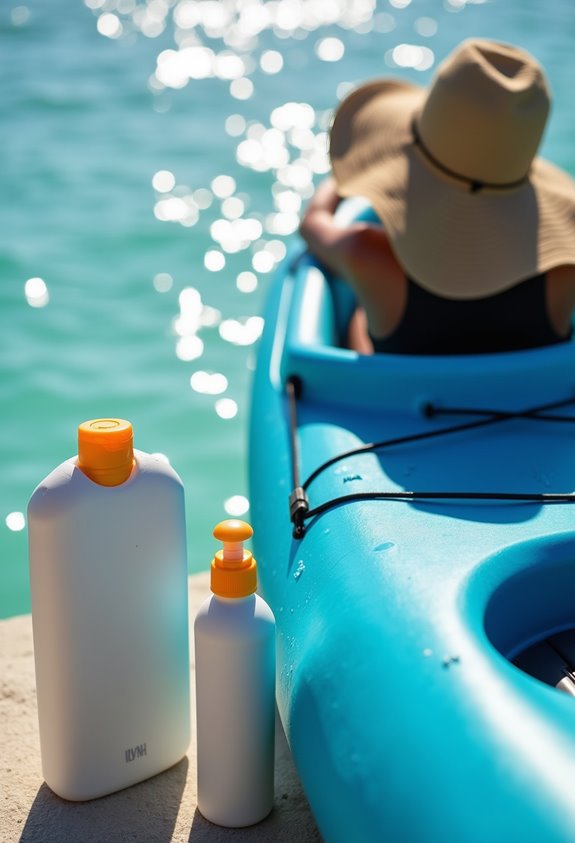
Despite summer’s allure for kayaking adventures, managing heat and sun exposure requires strategic planning for safe, enjoyable paddling!
We’ve found that timing is everything when it comes to summer kayaking. Let’s avoid those scorching hours between 11 AM and 4 PM – instead, opt for invigorating morning or evening sessions when wildlife is most active.
Staying hydrated is essential! We recommend doubling your water intake and using insulated bottles to keep fluids cool. Want to prevent heat exhaustion? Mix in some electrolyte drinks with your water at a 2:1 ratio.
Don’t forget these important sun-smart strategies:
- Wear light-colored UPF clothing
- Sport a broad-brimmed hat
- Apply waterproof sunscreen 30 minutes before launching
- Take cooling dips when needed
Remember: the best hydration techniques start before you even hit the water! Additionally, wearing a USCG-approved life jacket enhances your safety while paddling in open water.
Recommended Products
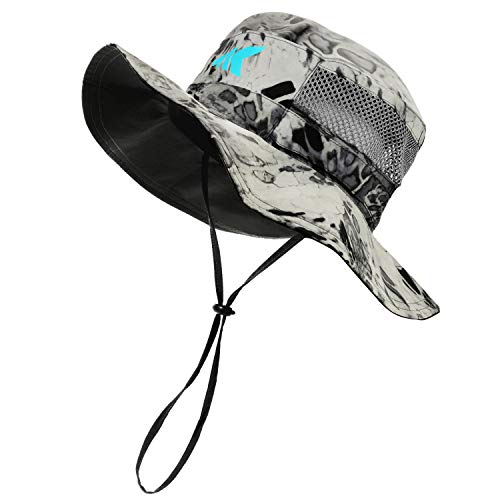
KEY FEATURES – UPF 50 Sun protection– Mesh venting promotes air flow – Moisture wicking head band - Adjustable draw cord for optimal fit – Adjustable chin strap – Fashionable Prym1 colors

SUN PROTECTIOIN: Mens rash guard short sleeve shirts is made of high quality sun protection fabric, which has an anti-ultraviolet function and protects the skin. Mens short sleeve t shirts not only provide uv protection function but also provide ice feeling, giving you a refreshing feeling on hot summer days

【Sun Protection】This long sleeve workout top provides professionally certified UPF 80+ sun protection,effectively protecting against UV rays.
Fall’s Perfect Blend of Colors and Comfort
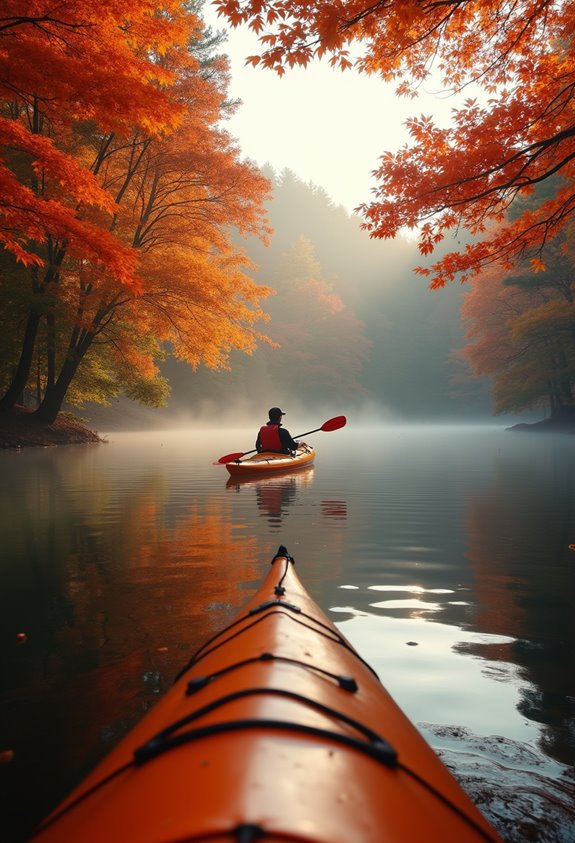
The crisp autumn air signals our favorite time to paddle! We’re treated to colorful landscapes of reds, oranges, and yellows reflecting off calm waters, creating a paddler’s paradise you won’t find any other season.
Fall brings the perfect recipe for comfortable paddling. Stable weather patterns mean fewer afternoon thunderstorms, and those pesky mosquitoes? They’ve mostly disappeared! The cooler temperatures and lower humidity let us extend our time on the water without battling summer’s exhausting heat. It’s also a great opportunity to invest in space-efficient kayak storage, ensuring your gear is well organized and easily accessible for your next adventure.
Don’t forget to layer up with quick-drying materials – leave that cotton at home! A moisture-wicking base layer and wind-resistant shell will keep you cozy while you soak in the spectacular scenery.
Ready to experience nature’s most stunning show from your kayak? Those mirror-like reflections of fall foliage make every stroke Instagram-worthy!
Essential Safety Tips for Each Season
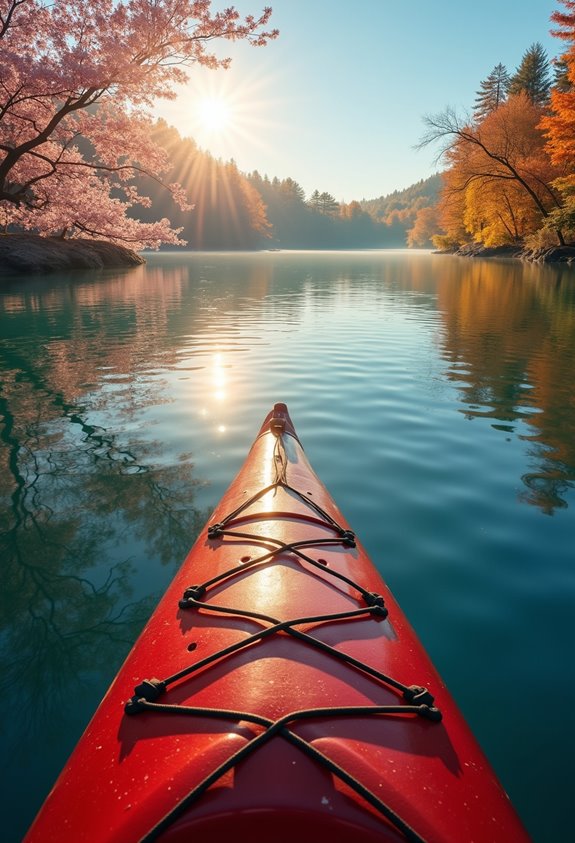
When it comes to staying safe on the water, knowing how to handle each season’s unique challenges can make or break your kayaking adventure! Let’s plunge into essential safety tips that’ll keep us paddling confidently year-round.
Proper safety gear is non-negotiable in any season. We’ll need a well-fitting PFD, but our other equipment should adapt to conditions – from dry suits in spring’s chilly 40-degree waters to UV protection in summer’s intense heat.
Key Seasonal Considerations:
- Spring: Watch for hypothermia risks
- Summer: Stay hydrated and sun-protected
- Fall: Layer up and monitor changing water levels
- Winter: Use high-visibility gear in low light, and consider kayaks equipped with retrievable rudders for enhanced maneuverability in unpredictable conditions.
Recommended Products

SUPER LOUD survival whistle: double tubes emergency whistle, high pitched powerful noise maker with dual sound chambers, can provide up to 120 decibel dB sound power, enough to be heard over a mile away. Cannot be overblown, works great as signal whistle.
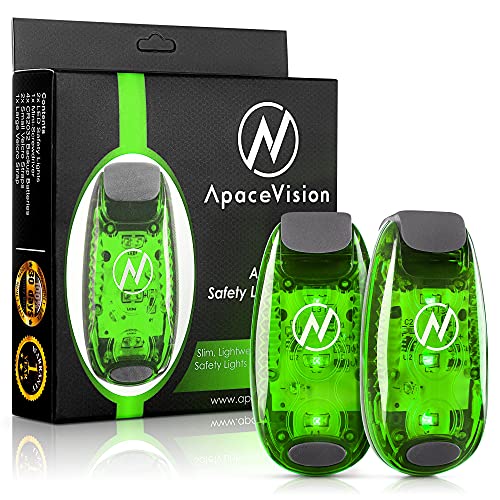
SUPER BRIGHT CLIP-ON LED SAFETY LIGHTS: Each compact clip-on light uses 3 LEDs and offers 3 lighting modes—steady, slow flash and fast flash—to help runners, joggers, walkers and cyclists stay easier to see at night, dawn, dusk and in other low-light conditions.

WATERPROOF FIRST AID KIT: This kit with roll-top closure design is an essential item for anyone who spends time in the great outdoors, whether it be hiking, camping, or engaging in water-based activities such as swimming, surfing, or boating. This type of kit is designed to protect the contents from water damage and keep them dry, ensuring that the supplies inside remain usable and effective in case of an emergency.
Choosing the Right Waterways by Season
Selecting ideal waterways for each season can transform good kayaking trips into unforgettable adventures! Let’s explore how to match the perfect paddling spots to each time of year.
Spring’s snowmelt makes mountain rivers perfect for thrilling whitewater experiences, while clear, full waterways create prime conditions for wildlife watching. We love summer’s warm lakes and coastal routes – just remember to paddle early or late to beat the heat!
Fall might be our favorite for waterway accessibility. With comfortable temperatures and stunning foliage reflecting off the water, it’s hard to beat! Plus, you’ll find fewer crowds at popular spots.
In winter, look for mild-climate destinations where seasonal wildlife like manatees gather in spring-fed waters. Southern waterways and protected canyons often remain navigable year-round, offering peaceful paddling experiences away from summer crowds. Additionally, many top inflatable kayaks are designed for easy transport, making them perfect for spontaneous winter getaways.
Seasonal Gear and Equipment Guide
Since each season demands different gear to keep you safe and comfortable on the water, we’ve created the ultimate guide to help you paddle confidently year-round!
When temperatures drop, cold weather gear becomes your best friend. Don’t hit the water without a quality dry suit or dry top – they’re absolutely vital equipment for winter paddling. Layer up underneath with moisture-wicking base layers to regulate your body temperature.
For summer adventures, we’ll want to lighten things up! Quick-dry clothing and breathable gear will keep you cool while protecting you from the sun’s rays.
Year-Round Must-Haves:
- Coast Guard-approved PFD
- Spray skirt (especially vital in cold conditions!)
- Bilge pump or sponge
- Dry bags for your gear
- Appropriate footwear for the season
Remember: The right gear isn’t just about comfort – it’s about staying safe on the water! Investing in high-quality dry bags can ensure that your electronics remain protected from water, sand, and snow during your outdoor excursions.
Wildlife Encounters Throughout the Year
Now that you’re geared up properly, let’s explore the incredible wildlife you’ll encounter during your paddling adventures!
Wildlife migration and marine behavior create an ever-changing show throughout the year. In spring, we’ll spot nesting ospreys and active intertidal creatures. Summer brings spectacular whale watching as humpbacks and minkes feast during seasonal fish booms!
Want to maximize your chances of amazing encounters? Head out at dawn or dusk when wildlife is most active and the waters are calm. We’ve found these prime viewing times provide the best opportunities for photography too. Additionally, using a US Coast Guard approved vest ensures safety while enjoying these awe-inspiring moments.
Remember to practice responsible observation – maintain distance from marine mammals, avoid nesting areas, and keep noise to a minimum. Following these guidelines guarantees both amazing wildlife experiences and the protection of these magnificent creatures we’re lucky enough to share the water with!
Planning Your Kayaking Calendar
When it comes to planning the perfect kayaking calendar, timing is everything! Let’s make your trip planning a breeze by breaking down the best paddling windows throughout the year.
Spring and fall offer that sweet spot of comfortable temperatures and manageable water conditions – perfect for most skill levels! During these seasons, we’re looking at ideal temps between 50-80°F and less crowded waterways.
Weather considerations should drive your schedule. Summer mornings work great to beat the heat, while winter requires careful gear planning and shorter expeditions due to limited daylight.
Want to paddle year-round? Consider these smart strategies:
- Schedule mountain rivers for spring snowmelt
- Book desert trips in spring or fall
- Hit coastal waters any season (with proper gear)
- Explore urban waterways when conditions allow. Additionally, choosing the right kayaking dry bag will help keep your gear safe and dry, regardless of the season’s challenges!
Frequently Asked Questions
How Young Can Children Start Kayaking Safely?
While splash pools welcome toddlers, we recommend starting kayaking at age 5 for child safety. Let’s pair them with adult supervision in tandem kayaks, following essential kayaking tips until they’re ready for solo adventures.
Can I Take My Dog Kayaking With Me?
Yes, we can take dogs kayaking with proper preparation! Let’s guarantee dog kayaking safety by using essential pet kayaking gear like life jackets, non-slip mats, and following training steps before hitting the water together.
How Much Should I Expect to Spend on Beginner Kayaking Gear?
Ready to start paddling? We’d recommend budgeting $600-1000 for complete beginner kayak gear costs. That typically covers a basic recreational kayak ($300-500), paddle ($50), PFD ($50), and essential safety equipment.
Are Inflatable Kayaks as Reliable as Hard-Shell Ones?
While inflatable kayak advantages include portability and easy storage, they’re not as reliable as hard-shell durability. We recommend hard-shells for frequent use, though modern inflatables are quite dependable for casual paddling in calm waters.
How Long Does It Typically Take to Become Proficient at Kayaking?
We’ll usually need 3-4 sessions to master basic kayaking techniques, but full proficiency with advanced skill progression takes several months of regular practice. You’ll develop comfort on calm water fairly quickly.


