As an Amazon Associate, we earn from qualifying purchases. Some links on this site are affiliate links at no extra cost to you. Our recommendations are based on thorough research and editorial judgment.


How To Choose The Right PFD For Different Water Sports?

Choosing the right PFD starts with matching your water activity to the appropriate type! For open ocean and rough waters, we’ll want a Type I PFD with maximum buoyancy. Type III PFDs are perfect for kayaking and fishing, while Type V works best for specific sports like windsurfing. Look for USCG approval, proper fit (snug but not restrictive), and bright colors with reflective tape. Regular maintenance checks keep your PFD performing at its best – and there’s so much more to discover about finding your perfect match.
Key Takeaways
- Match the PFD type to your activity – Type III for kayaking and fishing, Type I for open ocean, Type V for specific sports.
- Ensure proper fit by choosing a PFD that’s snug but allows necessary movement for your specific water sport.
- Consider activity-specific features like pockets for fishing gear, mesh panels for paddling, or extra buoyancy for rough waters.
- Select appropriate buoyancy distribution based on your sport – balanced for general boating, front-heavy for paddling activities.
- Choose durable materials and bright colors with reflective elements for enhanced visibility and safety in your water environment.
Understanding PFD Classifications and Their Uses
How To Choose The Right PFD For Different Water Sports?
Understanding PFD Classifications and Their Uses
When it comes to choosing the right Personal Flotation Device (PFD), understanding the different classifications is essential for your safety on the water!
Let’s break down the five main types of PFDs and their ideal uses. Type I PFDs are your best friend in open ocean and rough waters – they’re the most buoyant option available. Type II and III PFDs work great for calmer waters, with Type III being perfect for activities like kayaking and fishing. Additionally, choosing a USCG-approved life jacket ensures proper safety compliance with recognized standards.
Need to know about PFD regulations and buoyancy standards? Here’s the scoop: Type I PFDs must provide at least 22 pounds of buoyancy, while Type II and III require about 15.5 pounds for adults. All PFDs must meet U.S. Coast Guard standards – no exceptions!
Want a throwable device? That’s where Type IV comes in. And for special activities like boardsailing, Type V has got you covered!
Recommended Products

USCG APPROVED INFANT LIFE JACKET: Coast Guard approved baby life jacket for infants and toddlers under 30 lbs. Designed for boating, pool, beach, lake and supervised family water activities.

US Coast Guard-Approved: For optimum water safety
Key Features to Look for in Water Sports PFDs

How To Choose The Right PFD For Different Water Sports?
Key Features to Look for in Water Sports PFDs
Since selecting the right features can make or break your water sports experience, let’s plunge into the essential elements that’ll keep you safe and comfortable on the water!
First up is material durability – you’ll want tough outer fabrics like nylon or polyester that can handle those unexpected rock scrapes and beach drags. Trust us, your PFD should be ready for adventure!
Look for strategic buoyancy distribution that allows you to move freely while staying afloat. The best PFDs balance flotation foam placement with your activity’s needs.
Don’t forget about visibility! Bright colors and reflective tape aren’t just fashion statements – they’re vital safety features. And those mesh panels? They’re your best friends on hot summer days.
Remember: proper fit is non-negotiable. Your PFD should feel like a snug hug, not a loose handshake! Additionally, check for US Coast Guard approval to ensure safety compliance with life jackets during your aquatic adventures.
Recommended Products

U.S. COAST GUARD APPROVED: This USCG-approved inflatable belt pack inflates manually by pulling the inflation handle. Approved for users 16 years or older, and over 80 lbs. The universal size fits up to a 52” waist

Adult Universal Size: fits 30-52 inch chest, 21.5-57.5 inch waist. contains one 16g CO2 Cylinder.
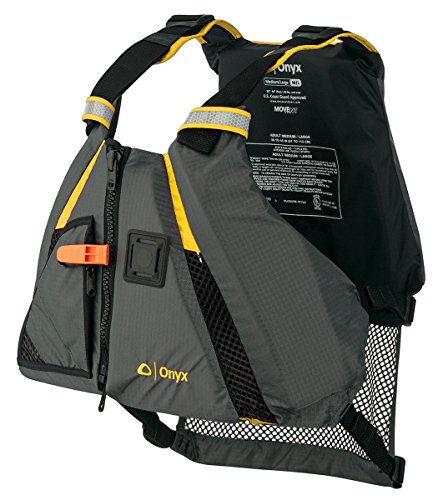
MAXIMUM SAFETY: Dual U.S. Coast Guard and Transport Canada Approved, ensuring the highest standards of water safety
Matching Your Water Activity to the Right PFD Type

Every water sport demands its own unique PFD companion! Let’s match your water activities with the perfect PFD options that’ll keep you safe and comfortable.
For offshore adventures and rough waters, Type I PFDs are your best friends. They’re bulky but offer maximum buoyancy and can flip an unconscious person face-up – exactly what you need when help might be far away!
Heading to calm waters for some kayaking or paddleboarding? Type II and III PFDs are ideal choices. They’re lighter and more flexible, letting you move freely while keeping you afloat. For the best recreational kayaking experience, consider wider kayaks that enhance stability and support your PFD needs.
For thrill-seekers hitting the whitewater rapids, stick to Type III or specialized Type V PFDs. These give you the mobility you need without compromising safety. Remember – inflatable PFDs aren’t your friends in high-impact situations!
Want specialty protection? Type V PFDs offer sport-specific features for activities like sailing or cold-water sports.
Recommended Products
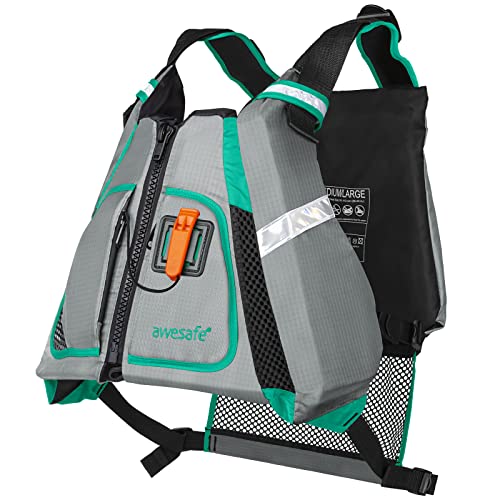
Designed to provide a stable face-up position in calm water for a wearer floating with head tilted back. Used often as general boating including water skiing, fishing, canoeing, kayaking, etc.

FLEX-CUT DESIGN: Perforated, tapered foam reduces bulk for a contoured, low-profile fit, ensuring all-day paddling comfort

Ultra-Thin Design: Enjoy maximum mobility with the Owntop Swim Jacket's lightweight construction, providing freedom of movement for all your water adventures.
Essential Safety Considerations When Selecting PFDs

Although choosing the right PFD type is essential, following important safety guidelines will make all the difference between life and death!
First, we’ve got to check those safety ratings – look for that U.S. Coast Guard approval label! It’s not just a sticker – it’s your guarantee that the PFD meets strict testing standards.
Let’s talk PFD materials. Are they in good shape? Check for:
- Rips or tears
- Discoloration
- Waterlogging
- Fading from UV exposure
Don’t forget to test foam-filled jackets yearly for buoyancy. And remember, proper storage is critical – keep them dry and away from direct sunlight!
Want to know a shocking stat? 81% of known boating fatalities involve drowning. That’s why we can’t stress enough – your PFD must fit properly and be worn consistently. No exceptions! Choosing a PFD with US Coast Guard approvals will also ensure it meets essential safety standards for your specific water activities.
Proper Fit and Comfort: Getting the Most From Your PFD

Now that we’ve covered those life-saving safety basics, let’s make sure your PFD fits like a glove!
Think of PFD sizing like finding the perfect pair of shoes – it needs to be just right! For adults, measure your chest circumference, while children’s sizes are based on weight. The fit should be snug but not restrictive.
Ready for the moment of truth? Time for buoyancy testing! Wade into shallow water and float on your back – your PFD shouldn’t ride up or slip off. Can you move your arms freely? Perfect!
Here’s a quick fit test you can do on dry land:
- Adjust all straps snugly
- Raise your arms overhead
- Have someone gently pull up on the shoulders
- If it slides up past your nose, tighten those straps!
Additionally, ensure you’re aware of proper waterproof ratings that could help in selecting PFDs, especially if you’re engaging in water sports that require added safety measures.
Recommended Products
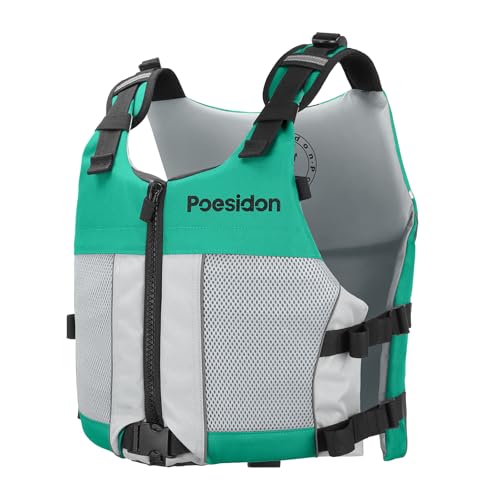
1,Poseidon Multi-Functional Water Vest - Fashion-Forward Design with Classic Colorways

Neolite Kwik Dry USCG Approved Life Jacket, Fits Chest 40 - 42.5 inch

US Coast Guard-approved adult life jacket
Maintenance Tips to Extend Your PFD’s Lifespan
Since your PFD is your lifeline on the water, keeping it in top condition isn’t just smart – it’s vital!
Let’s start with regular inspections. Before and after each use, check for tears, loose stitching, and worn straps. Those annual buoyancy checks are imperative – nobody wants to discover their PFD doesn’t float when they need it most!
Here’s our maintenance game plan:
- Rinse with fresh water after every use
- Dry completely in a shaded, well-ventilated spot
- Store in a cool, dark place away from sharp objects
- Learn basic repair techniques for minor fixes
For inflatable PFDs, we recommend professional servicing every two years. Additionally, adhering to safety certifications ensures your PFD has met the necessary standards for reliable buoyancy. And remember – if you spot significant damage or your PFD is over 5 years old, it’s time to think about replacement. Safety first, adventure second!
Special Requirements for Different Age Groups
When it comes to choosing PFDs for different age groups, safety requirements aren’t one-size-fits-all!
Let’s break down infant requirements first. For our littlest swimmers (under 30 pounds), you’ll need a USCG-approved PFD with three essential features: a crotch strap, float collar, and proper weight certification. Always test the fit by lifting the PFD’s shoulders!
For young children (30-50 pounds), we’re looking at specific child regulations that guarantee proper chest sizing and secure fits. Remember: if it slips above their chin when lifted, it’s not the right size.
Older kids (50-90 pounds) need PFDs matched to their activities, while following federal law requiring children under 13 to wear them on deck. Want to double-check your choice? Just match the USCG approval to your child’s weight range! Additionally, sizing and fit considerations are crucial to ensure a secure and comfortable experience for children while on the water.
Cost Analysis and Long-Term Value of Quality PFDs
Making a smart investment in your PFD means understanding both upfront costs and long-term value!
Let’s break down the cost efficiency: Entry-level PFDs ($40-$100) offer basic protection, while mid-range options ($100-$250) provide enhanced comfort and versatility. High-end models ($300+) feature advanced technology but require additional maintenance costs.
Think about investment value with regard to years, not dollars! A quality PFD typically lasts 5-10 years with proper care, making that initial cost much more reasonable when spread over time. Regular inspections and maintenance, including checking CO2 cartridges and cleaning, are crucial for optimal performance.
Here’s what affects your investment:
- Usage frequency and type of water activities
- Need for special features (pockets, attachment points)
- Comfort requirements for extended wear
- Maintenance costs (especially for inflatables)
Remember – when it comes to water safety, we’re investing in protection that could save a life!
Recommended Products

U.S. COAST GUARD APPROVED: This USCG-approved Inflatable Life Jacket inflates automatically upon water immersion or manually pulling the inflation handle. Includes a back-up oral inflation tube. Approved for users 16 years or older, and over 80 lbs. Fits 30”-52” chest

Lightweight & Comfortable Life Jackets for Adults: This automatic inflatable life -vest weighs just 1.2lbs and features a compact, low-profile design. With a fully adjustable waist belt (29"–62"), it offers a snug and comfortable fit for men and women. Ideal for those seeking life jackets for adults that don’t sacrifice mobility during fishing, kayaking, or boating.

Exclusive Membrane Inflatable Technology (M.I.T.) creates a lightweight, flexible fit
Frequently Asked Questions
Can I Use My PFD in Chlorinated Pools Without Damaging It?
While 80% of pool owners over-chlorinate, we can use PFDs in chlorinated pools, but we’ll want to rinse them thoroughly after each use. We recommend limiting pool exposure and proper drying to extend their lifespan.
How Often Should I Replace My PFD Even Without Visible Damage?
We recommend replacing your PFD every 1-2 years with intensive use, or 4-6 years with moderate use, even without visible wear signs. Don’t exceed 6 years, as PFD lifespan degrades naturally over time.
Are There Special PFD Requirements for Night-Time Water Activities?
Like stars in the night, we’ll need our PFDs to shine bright! We should use PFDs with enhanced night time visibility through reflective materials, bright colors, and possibly LED attachments for safer after-dark water activities.
Can I Modify My PFD to Add Extra Pockets or Attachments?
We don’t recommend PFD modifications since they can void certifications and compromise safety. Instead, let’s consider using factory-designed PFDs with built-in pockets or approved attachments to maintain safety considerations and compliance.
Do International Water Sports Competitions Have Different PFD Requirements Than Recreational Use?
Yes, we’ll find that competition rules often differ from recreational standards. While recreational PFD standards are strict, elite competitions may allow waivers or modified requirements when proper safety measures are in place.


