As an Amazon Associate, we earn from qualifying purchases. Some links on this site are affiliate links at no extra cost to you. Our recommendations are based on thorough research and editorial judgment.


When Do Life Vests Need To Be Replaced?

Life vests generally need replacement every 5 years due to foam breakdown and deterioration of waterproofing – but we’ll want to check them more often! Inspect your vest every 6-12 months for signs of damage like fraying straps, compressed foam, or faded colors. Most manufacturers recommend a 10-year maximum lifespan, while automatic inflation parts need switching out every 3-5 years. Following proper storage and maintenance guidelines can help extend your vest’s reliable service life and keep you safer on the water.
Key Takeaways
- Replace life vests every 5 years due to internal foam breakdown, compression, and deterioration of waterproofing treatments.
- Manufacturers generally recommend replacement every 10 years, with automatic inflation parts needing replacement every 3-5 years.
- Replace immediately if buoyancy loss exceeds 5% of original capacity or if the vest fails to maintain 95% buoyancy.
- Replace when physical damage occurs, including torn straps, holes, broken seams, or compressed/waterlogged foam areas.
- Replace when material shows significant degradation, such as severe discoloration, hardened foam, or extensive corrosion on buckles.
The 5-Year Replacement Rule
When it comes to life vest longevity, we can’t just trust our eyes. Even if your vest looks perfect on the outside, internal foam breakdown could be compromising your safety without you knowing it.
Think about it – your life vest faces constant exposure to sun, water, and temperature changes. That’s why proper safety equipment evaluation at the 5-year mark is essential!
Here’s what happens behind the scenes:
- Flotation foam gradually compresses
- Buoyancy levels decrease over time
- Waterproofing treatments wear off
- Internal materials degrade
- Durable materials like 400-denier Ripstop Nylon are essential for maintaining the vest’s integrity.
Want to stay safe on the water? Don’t wait for visible damage to appear. Mark your calendar and inspect those vests when they hit the 5-year milestone!
Manufacturer Guidelines and Expiration Dates

Life vest guidelines can feel like a maze of dates and rules! Let’s break down what manufacturers actually recommend for keeping you safe on the water.
Most manufacturer recommendations suggest replacing life vests every 10 years – but there’s more to the story. Many components need attention much sooner:
- Automatic inflation parts need replacement every 3-5 years.
- Inflator bobbins and gas canisters must be switched out by their printed expiration dates.
- Regular inspections should happen every 6-12 months.
While there’s no universal “expiration date,” replacement intervals depend on how often you use your vest. Weekend warriors might need replacements sooner than occasional boaters. The key? Check straps, buckles, and fabric before each use – and don’t wait for your vest to fail when you need it most! Additionally, ensure that your vest is USCG approved to maintain compliance with safety standards.
Physical Damage Assessment

Nobody wants their life vest to fail when they need it most – that’s why physical damage checks are essential!
Let’s look for key wear patterns that compromise structural integrity:
- Inspect all straps and webbing for fraying, cuts, or sun damage – especially near buckles and stress points where movement occurs. Damaged straps won’t support you during a rescue!
- Check the outer shell for holes, tears, or discoloration. Even small punctures can let water seep in and reduce buoyancy.
- Examine every seam and stitch line. Loose or broken threads are a major red flag!
- For foam-filled vests, feel for compressed or waterlogged areas that won’t provide proper flotation.
- On inflatables, carefully inspect CO2 canisters and inflation mechanisms for any signs of corrosion or wear.
Regular inspections for wear are crucial for ensuring your life vest is reliable!
Remember: When in doubt, it’s time to replace it out!
Recommended Products


Leg straps prevent PFDs from riding up in whitewater or when getting pulled back into a watercraft.

QUALITY: Made from high-quality nylon webbing super-strong Duraflex brand clips and buckles its sure to look, and perform, great!
Signs of Material Degradation

Beyond visible tears and damage, material degradation can sneak up on your life vest in ways you might not notice!
When checking fabric integrity, look for fading colors (especially from sun exposure) and discoloration that might hide dangerous mold growth. If your vest’s outer shell looks sun-bleached, that’s a red flag!
Your vest’s foam condition is vital for staying afloat. Give it a quick squeeze test – it should bounce back to shape immediately. If it’s hard, brittle, or takes forever to recover, it’s time for a replacement.
Watch for wrinkly, loose-fitting fabric over the foam – this means shrinkage has occurred. And don’t forget about those buckles and straps! If they’re corroded or fraying, your vest might fail when you need it most.
Additionally, always ensure that your life jacket meets U.S. Coast Guard-approved standards, as this is crucial for proper safety compliance.
Remember: Even subtle material changes can signal serious safety issues.
Buoyancy Performance Testing

While many boaters focus on visible wear and tear, testing your vest’s actual buoyancy performance is essential for staying safe on the water!
Did you know your life vest needs to maintain at least 95% of its original buoyancy to meet safety standards? We recommend getting professional buoyancy testing done at certified labs to check this vital performance metric.
Here’s what the testing involves:
- 24-hour complete submersion in fresh water
- Measuring flotation before and after submersion
- Checking minimum buoyancy requirements based on vest type
- Testing material resistance to elements like sunlight and seawater
If your vest shows more than 5% buoyancy loss or fails to meet minimum requirements for its type (ranging from 15.5 to 33 pounds), it’s time for immediate replacement. Don’t take chances – proper buoyancy could save your life! Additionally, ensure your vest’s performance aligns with US Coast Guard flotation standards to maintain compliance and safety.
Recommended Products

US Coast Guard-Approved: For optimum water safety

SAFE and SECURE – US Coast Guard Approved closed sided Life Jacket for a comfortable yet secure fit
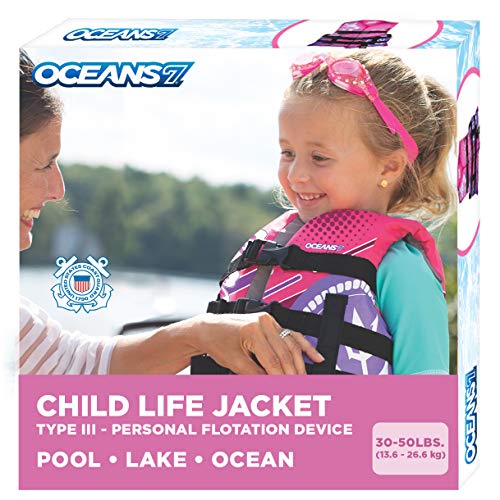
US Coast Guard-approved: Personal flotation device (PFD) passes highest USCG standards and testing; life jackets are labeled for infant, child or youth by weight range
Inflatable Life Jacket Maintenance
Since proper maintenance can make the difference between life and death, keeping your inflatable life jacket in top condition should be a top priority!
Let’s tackle those essential inflatable repairs and maintenance schedules head-on. Every two months, we need to perform leak tests by inflating the bladder overnight – because who wants an unwelcome swimming surprise?
Regular cleaning is vital! Hand wash your vest with mild soap in warm water, but keep that auto-inflator dry. Once clean, hang it on a plastic hanger away from direct sunlight.
Don’t forget to check those CO2 cartridges for corrosion – they’re your literal lifeline! Inspect all straps, stitching, and webbing for wear. And remember, if your vest is over 10 years old, it’s time to seriously consider a replacement. Reflective safety features in your jacket also require inspection to ensure visibility in emergencies.
Recommended Products

1.Fits various size inflatable lifejackets with 24 gram CO2 cylinder with 1/2” thread cylinder.

Reliable & Effective:Designed for inflatable lifejackets, belts, and other life-saving equipment, our CO₂ cartridges ensure your safety gear performs when it matters most.
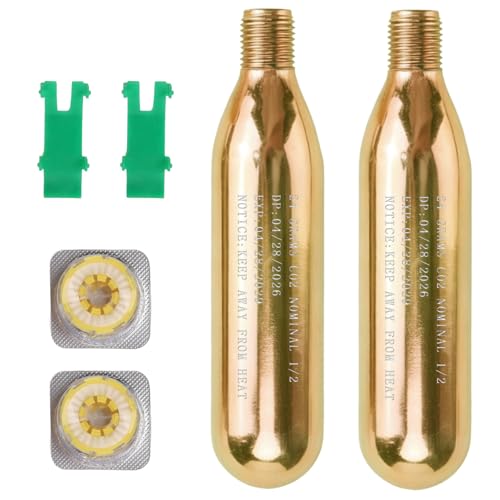
Reliable and effective - this 24 gram CO2 cartridge is perfect for re-arming your inflatable life vests with ease.
USCG Compliance Requirements
USCG approval is voided the moment you modify or repair your life vest – even something as simple as a small patch! These compliance regulations exist to keep us safe on the water.
Your life vest must display proper USCG approval labels showing its type classification and size range. Come January 2026, you’ll see new labeling that aligns with updated ANSI/UL standards.
Want to stay on the right side of the law? Make sure:
- Each person has an approved PFD of the correct size
- Vessels 16+ feet have an extra throwable device
- Your PFDs haven’t been altered or damaged
- All labels are clearly visible and intact
Furthermore, ensure that the material of your life vest is lightweight and breathable, as this is crucial for comfort during extended wear.
Remember: When in doubt, replace it out!
Environmental Impact on Lifespan
Just like maintaining valid USCG approvals, protecting your life vest from environmental factors plays a major role in its lifespan!
We’ve seen how quickly material degradation can occur when life vests aren’t properly protected. Here’s what you need to watch out for:
- Sun exposure is your vest’s biggest enemy! Those UV rays break down materials and weaken seams faster than you’d expect.
- Did you know that saltwater can be just as damaging? Always rinse with fresh water after ocean use.
- Storing vests in hot boat compartments? Think again! Extreme temperatures speed up aging.
Keep your vest in a cool, dry place away from direct sunlight. And don’t forget to check regularly for wear and tear – those small abrasions today could become serious problems tomorrow!
Additionally, maintaining proper care and maintenance is essential to prolonging the life of your vest.
Remember: A well-protected life vest is a longer-lasting life vest.
Storage and Care Best Practices
While protecting your life vest from environmental factors is essential, proper storage makes all the difference in extending its lifespan!
Let’s talk smart storage solutions. We recommend keeping vests in dry, well-ventilated areas – never in sealed plastic bags that trap moisture. Under-seat compartments or wall-mounted racks are perfect for maintaining airflow.
Moisture prevention is vital, so always let vests dry completely before storing them. Want an easy setup? Install a sturdy curtain rod in your boat’s head compartment, or use dedicated storage bags with compartments near the deck.
For off-season storage, remember these key points:
- Keep vests unfolded to maintain foam integrity
- Choose cool, dry spaces like basements
- Avoid direct sunlight exposure
- Store away from chemicals and fuel
Additionally, proper fitting of men’s life vests is crucial for their effectiveness and longevity.
Recommended Products

Dock-Mounted Organizer: Holds up to 4 life vests or other items like floats or hanging plants; Features holes for carabiners (Included), allowing for easy attachment and organization of items
Dock-Mounted Organizer: Holds up to 4 life vests or other items like floats or hanging plants; Features holes for carabiners, allowing for easy attachment and organization of items

Holds up to 6 type II AK-1 life vests
Professional Use Considerations
Professional life vest requirements are a whole different ballgame! When you’re using life vests in a commercial setting, we’ve got to follow much stricter replacement frequency and compliance guidelines than recreational users.
Here’s what you need to know:
- Annual replacement is mandatory, regardless of use
- Never exceed the “REPLACE BY” date – no exceptions!
- Document everything for regulatory compliance
- Follow manufacturer specs for different inflation systems
Different systems have different rules. Hammar systems expire on December 31st of their marked year, while Halkey Roberts systems need bobbin checks. And yes, even manual inflation systems need regular replacement in professional settings. Additionally, it’s crucial to ensure that life vests meet the U.S. Coast Guard safety standards to maintain safety during work activities.
Recommended Products

USCG Approved Personal Flotation Device; Perfect for Wake Sports, Waterskiing, Tubing, and Swimming

OPTIMIZED FIT– The U.S. Coast Guard recommends a very snug fit to ensure safety on the water. Easy to layer over clothing, rash guards, swimwear, or wetsuits, with Coast Guard-approved size range for 50 to 90 pounds

USCG APPROVED – this personal flotation device meets USCG requirements for a Type III Life Vest. Closed sides, buckle and Zipper closures built for secure fit for water sports enthusiasts where large range of motion is key. The light, segmented, hinged design allows freedom of movement in all directions
Safety Inspection Checklist
A thorough safety inspection checklist keeps everyone protected when they’re out on the water! Let’s review the essential inspection methods to guarantee your life vest is ready for action.
Start by examining the fabric and straps for any tears, fraying, or mold. We need to check that all stitching remains intact and hardware like buckles work properly.
For inflatable vests, maintenance frequency is vital! Conduct leak tests by fully inflating and monitoring for 2 hours. Don’t forget to verify the service indicator is green and the bobbin hasn’t expired.
Document everything in your inspection log – dates, findings, and fixes. Remember to check those reflective tapes and whistles too!
Want extra peace of mind? Have inflatables professionally serviced every two years, or annually for commercial use. Safety first, adventure second!
Regulatory Updates and Standards
Now that we’ve covered safety inspections, let’s explore some major regulatory impacts in life vest regulations!
As of January 2026, the U.S. Coast Guard has shifted from “Type” classifications to a new “Level” system based on buoyancy measured in Newtons (N). This classification alteration means we’re saying goodbye to Types I through V, and hello to Levels 50, 70, and 100!
Don’t worry – your current Type-classified vest is still legal if it’s in good condition. However, when it’s time to replace your vest, you’ll be choosing from these new Level options:
- Level 50 (50N): Perfect for skilled swimmers in calm waters
- Level 70 (70N): Great for nearshore activities
- Level 100 (100N): Ideal for offshore adventures
These changes align U.S. standards with Canadian requirements, making it easier to choose the right vest for your specific needs!
Proper Disposal and Documentation
Since proper disposal of life vests directly impacts both safety and environmental protection, we’ve got to get this part right! Let’s break down the essential disposal procedures and documentation practices.
First, never toss old life jackets in regular trash! Instead, we’ll want to:
- Contact local recycling centers for proper disposal options
- Remove and safely discharge CO₂ cylinders before disposal
- Consider donating usable vests to educational programs
Documentation is equally important. We need to maintain records of:
- Purchase dates and expiration information
- Inspection history and repairs
- Disposal method used
- Recycling receipts or donation confirmations
Frequently Asked Questions
Can I Buy a Used Life Vest From a Secondhand Store?
While you can buy used life vests, we don’t recommend it since material degradation and unknown history make it difficult to guarantee they meet current safety standards. We suggest investing in new, certified vests instead.
What Happens if Someone Heavier Than Rated Uses My Life Vest?
Like a safety net with frayed ropes, when we exceed life vest limits, we’re gambling with our safety. We’ll risk drowning since the vest won’t provide proper flotation or meet safety regulations for water activities.
Are There Special Requirements for Children’s Life Vests on Rental Boats?
Yes, we must follow strict safety regulations on rental boats. Children under 13 need properly sized, USCG-approved life vests that meet specific sizing requirements based on their weight and chest measurements while aboard.
Do Different Water Temperatures Affect How Often I Should Replace Vests?
Just like us feeling different in hot and cold water, your vest’s thermal degradation varies by temperature. We recommend checking lifespan indicators more frequently in extreme temperatures—especially replacing components annually in hot climates or when below 40°F.
Can I Mix and Match Different Brands of CO2 Cartridges?
We strongly advise against mixing CO2 cartridge brands. For safety and ideal performance, always use manufacturer-recommended cartridges. Different brand compatibility issues can lead to inflation failures and compromise your vest’s reliability.


