As an Amazon Associate, we earn from qualifying purchases. Some links on this site are affiliate links at no extra cost to you. Our recommendations are based on thorough research and editorial judgment.


How To Clean And Care For Neoprene Life Vests?

To properly clean and care for neoprene life vests, we’ll want to start with a thorough rinse in fresh water after each use. Mix a gentle solution of neoprene-specific cleaner or mild dish soap, then use a soft brush to clean the vest without scrubbing too hard. Hang dry in a well-ventilated area away from direct sunlight, and store vertically on plastic hangers. Regular inspections of buckles, straps, and seams are essential – there’s so much more to keeping your vest in top shape!
Key Takeaways
- Rinse life vest with fresh water after each use and soak in mild soap solution for 15 minutes to remove dirt.
- Gently clean with a soft-bristled brush or sponge, avoiding harsh scrubbing that could damage the neoprene material.
- Allow vest to air dry in a well-ventilated area away from direct sunlight and heat sources.
- Store life vest on plastic hangers in a dry environment, avoiding folding to maintain shape and integrity.
- Regularly inspect buckles, straps, and seams for damage, ensuring all components function properly before each use.
Essential Cleaning Supplies and Materials
Three key supplies will make cleaning your neoprene life vest a breeze! Let’s start with safe detergents – you’ll want to grab either a neoprene-specific cleaner or a mild dish soap that won’t harm the material. Stay away from those harsh chemicals that could damage your vest!
Next up are your cleaning tools. A soft-bristled brush or gentle sponge will be your best friend here. We don’t want anything too abrasive that might scratch or wear down the neoprene.
Finally, keep some clean, lint-free towels handy. They’re perfect for blotting excess water without leaving behind pesky fibers. Pro tip: label these supplies and store them separately from your regular laundry products. Trust us, you don’t want to accidentally grab that bleach instead of the neoprene cleaner! Additionally, using USCG-approved jackets is crucial for ensuring safety while engaging in water activities.
Recommended Products

Not Approved By the U.S. Coast Guard, Vest Is For Competition Waterskiing and Wakeboarding

The most comfortable comp vests you will ever slip on, anatomically designed to stretch and fit perfectly. This vest is like wearing a hoodie for the lake! Our Staylite foam in combination with our 4-way stretch neoprene makes this the lightest, most comfortable fit you will find in a vest. While designed for wakesurfing, it's also the perfect vest for wakeboarding, foiling, and other activities. NOT COAST GUARD APPROVED

Staylite Foam - Absorbs 30% less water than other foam, reducing overall weight, all while being 10% more buoyant than standard PVC foam. This ensures the jackets dry quicker and stay comfortable all day.
Pre-Cleaning Inspection and Preparation

Before diving into the cleaning process, let’s make sure your life vest is ready for some TLC with a thorough inspection!
First, we’ll check for any visual damage to the outer shell – look for rips, tears, or worn seams that might compromise your safety. Run your fingers along every inch, just like you’re searching for treasure!
Next, we’ll assess the flotation integrity by gently pressing on the buoyancy material. It should feel uniformly firm without any suspicious soft spots or lumps.
Check all straps, buckles, and zippers too. They should move smoothly and show no signs of corrosion. Remember: a life vest is only as strong as its weakest part!
Finally, verify those important dates. Is your vest still within its service life? Are all inflator components current? Ensure vest fits weight and chest measurements correctly for safety – always!
Step-by-Step Cleaning Process

Ready to give your neoprene life vest a proper cleaning?
Let’s walk through the essential steps that work for all vest types, whether you’re dealing with a basic foam design or a premium neoprene model! First, soak your vest for at least 15 minutes in mild detergent – we recommend Dawn mixed with cool water.
Gently massage the material to work out dirt and grime. No wringing or twisting, please! For stubborn spots, apply undiluted detergent directly and let it sit for 15 minutes before scrubbing with a soft brush.
Rinse thoroughly with cold water until all soap residue is gone. Remember, cleaning frequency matters – after every use is ideal, especially following saltwater exposure! Additionally, make sure to inspect life vest for wear and damage before storing to ensure safety.
Hang your vest on a plastic hanger in a shaded, well-ventilated area. A fan can speed up drying, but avoid direct heat or sunlight.
Recommended Products

🌊 Light Weight Foam: Absorbs less water more buoyancy. Quick-dry and all day comfort! 🏄♂️

OMFORT AND SAFETY: Designed to prove the highest level of safety while maintaining superior comfort. US Coast Guard approval ensure strict safety standards, giving you peace of mind. Lightweight foam reduces fatigue so you can enjoy longer days in the water in comfort.

COMFORT AND STYLE: Proudly designed in the USA for recreational activities, our snorkel vests are constructed from durable premium materials and rigorously regulated production processes to ensure the highest quality of our products. With our snorkeling vest device, you can achieve perfect buoyancy and look great at the same time. This snorkel float is ideal for any leisure water activity, including snorkeling, swimming, paddle boarding, sea kayaking, and other low-impact water sports
Proper Drying Techniques

Now that your life vest is squeaky clean, let’s focus on proper drying – because how you dry your vest is just as important as how you clean it!
When it comes to drying methods, here’s what you need to know:
- Never expose your vest to direct sunlight for too long – those UV rays are not your friend!
- Set up a fan to boost air circulation and speed up the process.
- Skip the dryer – trust us, your vest will thank you for this one.
The best approach? Hang your vest on a plastic hanger in a well-ventilated area. Remember to rotate it occasionally for even drying. To ensure your vest maintains its integrity, it’s essential to consider how materials like durable fabrics can be affected by improper drying techniques.
Want to maintain your vest’s shape? Keep it far from heat sources like radiators and heaters. And whatever you do, don’t be tempted to iron it – that’s a surefire way to ruin your investment!
Dealing With Stubborn Mold and Mildew

While discovering mold or mildew on your life vest can feel like a major setback, don’t let those fuzzy spots get you down!
For effective mold removal, let’s start with a gentle dry-brushing to remove loose spores. Next, mix a solution of 1 part white vinegar to 3 parts water – nature’s mildew fighter!
Here’s our tried-and-true cleaning sequence:
- Soak the affected areas in the vinegar solution
- Let it work its magic for several hours
- Follow up with mild soapy water
- Rinse thoroughly with fresh water
For stubborn spots, oxygen-based bleach is your friend! Just avoid harsh chemicals – they’ll damage your vest’s neoprene material. Additionally, regular maintenance through proper care instructions can significantly prolong the life of your vest.
Recommended Products

【All-in-One Cleanser】SUIT SOAK swimsuit cleaner provides a comprehensive solution, gently removing chlorine, saltwater, hard water minerals, bromine, urine, and unpleasant odors from wetsuits, ensuring your swimwear and gear remain fresh and ready for your next aquatic adventure.

Clean and condition neoprene wetsuits, drysuits, booties and life jackets with Revivex Wetsuit and Drysuit Shampoo; removes salt, and chlorine

EXTENDS GEAR LIFESPAN: Maintains the fit, flexibility, and durability of wetsuits and neoprene gear for long-lasting performance. Keeps the material liners soft and the seam construction comfortable for longer
Storage Best Practices
After winning the battle against mold, let’s make certain your life vest stays in pristine condition!
When it comes to storage locations, we’ve got plenty of smart options. Hang your vest on a sturdy curtain rod, or place it flat on a well-ventilated shelf – just never fold it, as this can damage the neoprene material. Modular kayaks, which offer easy assembly and disassembly, can be a great space-saving solution for storing your gear alongside your life vest.
Environmental factors play a huge role in preserving your vest’s lifespan. Think of your vest like a picky houseplant – it needs the right conditions to thrive! Keep it away from direct sunlight and extreme temperatures.
Here’s our foolproof storage checklist:
- Store in a dry, moderate-temperature space
- Use hooks or racks for vertical storage
- Make sure good airflow around the vest
- Label clearly for easy identification
- Never compress or fold the material
Regular Maintenance Checks
Since your life vest stands between you and disaster, regular maintenance checks aren’t just important – they’re essential! Let’s walk through a simple inspection checklist to keep your vest in top shape.
First, we’ll inspect the exterior for any rips, tears, or worn seams. Don’t forget to check those buckles and straps – they need to be secure!
Next, we’ll examine the CO2 cartridge (if your vest has one) for signs of corrosion. The inflator status indicator should show green, and that manual pull-tab must be easily accessible.
For maintenance frequency, we recommend testing inflation every two months. Submerge the inflated vest to check for leaks – any bubbles mean trouble! Keeping your vest in good condition not only ensures compliance with safety standards but also enhances your overall safety while enjoying water activities.
Remember to document all inspections on the service record label. Safety first, water fun second!
Odor Prevention and Treatment
No matter how well you care for your neoprene life vest, that funky smell can sneak up on you!
Let’s tackle odor prevention head-on with proper cleaning agents. After each use, thoroughly rinse your vest with fresh water to remove those pesky microbes and contaminants. Don’t skip this step – it’s essential!
We’ve got several effective options for battling existing odors:
- Use specialized wetsuit shampoo or gear deodorizers
- Try enzymatic treatments like MiraZyme
- Apply a mixture of mild detergent and water with a soft brush
- Consider natural solutions like lemon juice and salt
Remember to dry your vest completely in a well-ventilated area. Pro tip: Use rotating fans to speed up the process! Also, consider proper storage techniques to ensure your vest lasts longer and remains odor-free.
For storage, always hang your vest rather than folding it, and keep it in a cool, dry place. No more mysterious funk surprises!
Recommended Products

Diving Gear Refresh: Keep your dive gear in tip-top shape with our no-rinse wetsuit cleaner that penetrates and emulsifies soils and leaves nothing but a fresh and clean scent.

⚔️ THE ULTIMATE ODOR ASSASSIN: Take down sweat, smoke & grime like a mission. DRT Soap eliminates odors at the source, not just masks them. Two (16oz) bottles ensure lasting freshness — keep your gear battle-ready, no matter the shift.

ELIMINATES ODOR — DOES NOT MASK Neutralizes sweat, smoke, and long-shift odor at the source. Designed for repeated daily use on duty gear.
Safety and Performance Inspections
Regular safety checks aren’t just a good idea – they’re essential for keeping your neoprene life vest ready for action!
When it comes to inspection frequency, we recommend checking your vest before every water adventure. Here’s what to look for:
- Test all buckles and straps – they should fasten securely without slipping
- Examine seams and stress points for tears or fraying
- Check that zippers operate smoothly and close completely
- Look for any foam stiffness by gently bending the material
These key performance metrics tell us if your vest is still providing proper protection. Don’t forget the fit test: there should be no more than a 3-finger gap at the shoulders, and the vest shouldn’t rise above your chin when lifted. Ensuring compliance with safety standards compliance can further enhance your safety on the water.
Remember: when in doubt, swap it out! A compromised life vest isn’t worth the risk.
Recommended Products

Universal sizing: fits 30" x 65" chest with wide neoprene neckline
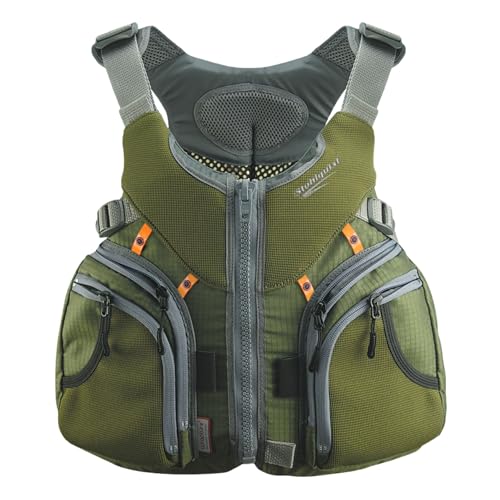
The Ergonomic WRAPTURE Shaped Torso contours naturally to the body for a snug, secure fit that enhances comfort and freedom of movement. Graded sizing delivers a more accurate fit across a wider range of body types for better comfort and performance.

Life Vest,Hi Vis,Mesh Deluxe,M
Frequently Asked Questions
Can I Use My Life Vest Immediately After Cleaning?
We’d love to watch you sink with a soggy vest! But seriously, immediate use after cleaning isn’t safe. Your life vest needs up to 72 hours of proper drying time to maintain its buoyancy and safety features.
How Often Should I Replace My Neoprene Life Vest?
We recommend replacing neoprene life vests every 5-10 years, but watch for key replacement signs like foam deterioration or fabric damage. Don’t wait for the full lifespan if your vest shows significant wear or buoyancy loss.
Will Swimming Pool Chlorine Damage My Life Vest?
Yes, we’ll be honest – chlorine effects can damage your life vest over time. Regular pool use breaks down neoprene, but we can minimize damage through proper maintenance like rinsing after each swim and thorough drying.
Can I Clean Multiple Life Vests Together?
Yes, we can clean multiple vests together in a large basin or washer, but don’t overcrowd them. Use gentle cleaning techniques with mild soap, then separate them for thorough rinsing and proper drying methods.
Should I Waterproof My Neoprene Life Vest After Cleaning?
Unlike Noah’s famous waterproofing techniques, we don’t recommend waterproofing neoprene life vests after cleaning. They’re inherently water-resistant, and proper neoprene maintenance focuses on gentle cleaning and proper storage rather than additional treatments.


