As an Amazon Associate, we earn from qualifying purchases. Some links on this site are affiliate links at no extra cost to you. Our recommendations are based on thorough research and editorial judgment.


Is A Spare Paddle Really Necessary For Day Trips?

Yes, we strongly recommend carrying a spare paddle on day trips! Equipment failure accounts for a significant portion of paddlesport accidents, and over 80% of paddling fatalities involve inadequate safety preparation. Even on short excursions, a broken paddle or lost T-grip can quickly create a dangerous situation – especially in rough waters or cold conditions. While lightweight backup options like collapsible paddles won’t weigh you down, they’ll provide essential peace of mind. Let’s explore the smart ways experienced paddlers integrate spare equipment into their adventures.
Key Takeaways
- Equipment failure is a major contributor to paddlesport accidents, with over 80% of fatalities involving inadequate safety preparation.
- Weather conditions can deteriorate rapidly during day trips, making a spare paddle essential for self-rescue situations.
- Most experienced paddling groups carry spare paddles, recognizing their importance for both safety and continued enjoyment of the activity.
- Basic backup paddles are cost-effective compared to potential trip cancellations and can serve multiple purposes, including emergency signaling.
- Solo paddlers face the highest risk without spare equipment, as they lack group support during paddle failures.
The Risk of Paddling Without a Backup
While many paddlers view backup paddles as unnecessary extra weight, the statistics paint a sobering picture of why they’re essential safety equipment!
When we look at the data, equipment failure, including paddle failure, represents a significant portion of paddlesport accidents. What happens if your only paddle breaks miles from shore?
The safety risks of paddling without a backup are magnified when we consider that:
- Over 80% of paddling fatalities involve inadequate safety preparation
- Solo travelers face the highest risk due to lack of assistance
- Weather conditions can rapidly deteriorate, making self-rescue vital
We’ve seen too many day trips turn dangerous when paddlers can’t self-rescue due to equipment issues. Even on short excursions, having a spare paddle isn’t just about convenience – it’s about having a lifeline when things go wrong! Paddle drip rings, which prevent water from dripping down paddle shafts, can also enhance your control and grip when dealing with unexpected challenges.
Real Stories: When Primary Paddles Failed
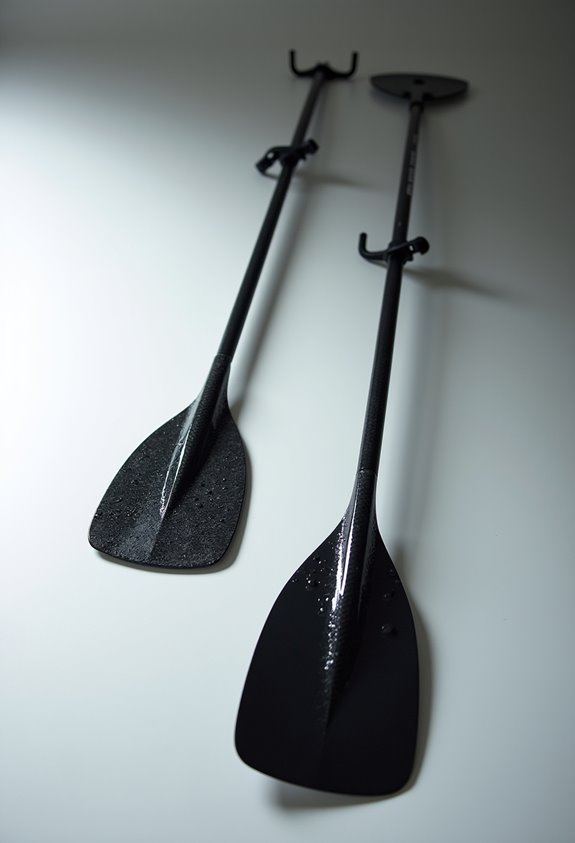
Real-world paddle failures tell a far more compelling story than statistics alone!
We’ve seen countless failure incidents where broken T-grips and lost paddle floats left kayakers struggling in dangerous waters. Imagine this: You’re miles from shore when your primary paddle snaps against a hidden rock – now what?
Rescue complications multiply quickly in cold water. Reports show even experienced paddlers have faced life-threatening situations when paddle failures left them unable to pump out water or stabilize their kayaks. A father-son trip turned tragic when equipment failure left them stranded in frigid conditions.
Let’s be clear – these aren’t just isolated incidents. Groups have suffered multiple casualties when paddle problems triggered a cascade of emergencies. In rough waters, every second counts, and a broken paddle can mean the difference between a close call and catastrophe. Additionally, having a spare paddle on hand dramatically increases your chances of safely addressing paddle failures and maintaining control in challenging conditions.
Weight and Storage Solutions for Spare Paddles
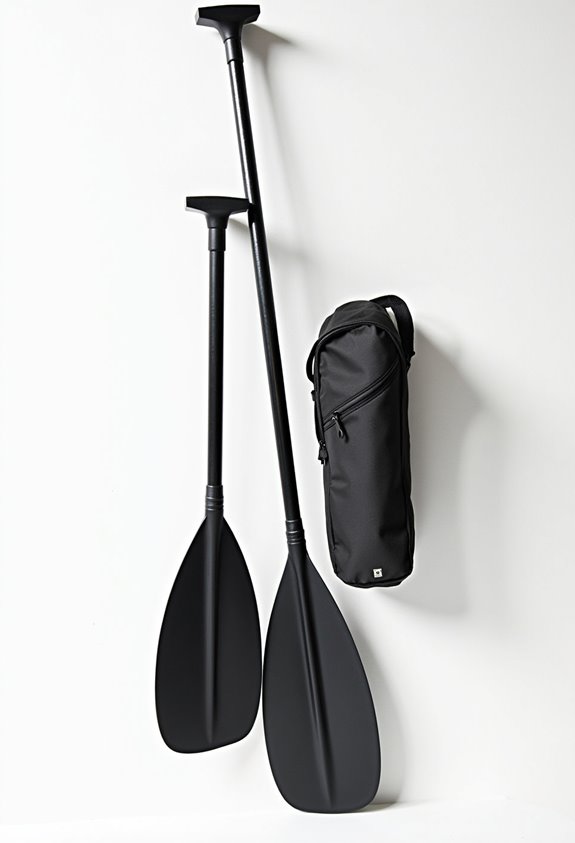
Since carrying a spare paddle is vital for safety, let’s tackle the practicalities of weight and storage head-on!
We’ve found that lightweight materials like carbon fiber or aluminum are game-changers when it comes to spare paddles. They’re incredibly strong but won’t weigh you down!
Here’s what works best for compact storage:
- Mount a paddle retainer made from ABS pipes on your deck
- Use adjustable straps or wire ties to secure the paddle
- Position it where it won’t interfere with your paddling motion
Smart positioning is essential! Place your spare paddle where you can easily grab it, but make sure it’s not in the way of your regular strokes. Including a spare paddle that’s lightweight and adjustable can greatly enhance your overall paddling experience, especially in different water conditions.
Want to save even more space? Consider a collapsible spare paddle – they’re perfect for day trips and can easily tuck away when not needed.
Group Dynamics and Paddle Sharing Strategies
Now that we’ve got our spare paddles properly stored, let’s look at the social side of paddling safety!
Strong group synergy starts with a solid buddy system. We always pair experienced paddlers with newer ones, creating natural equipment sharing opportunities when needed.
Good communication is key! We use clear protocols for:
- Regular headcounts
- Role assignments
- Emergency signals
- Paddle-sharing logistics
Here’s what makes group dynamics work smoothly – delegation! Someone watches the map, another keeps count, and others monitor gear. This shared responsibility creates a safety net for everyone.
Trust builds naturally when we paddle together. When someone needs a spare paddle, we’re all ready to help! After all, we’re only as strong as our weakest paddler, and supporting each other makes every trip better. It’s also important to consider using lightweight designs to enhance overall performance when sharing equipment.
Safety Benefits Beyond Emergency Situations
While spare paddles are essential for emergencies, their safety benefits extend far beyond those worst-case scenarios!
Let’s look at how a spare paddle enhances our everyday paddling experience through confidence enhancement. Having that backup allows us to paddle more boldly, knowing we’ve got a Plan B if something goes wrong.
It’s also perfect for adaptability practice. We can use our spare paddle to:
- Test different paddling techniques
- Share with newer paddlers who want to try alternative styles
- Switch between paddles to prevent fatigue during longer stretches
Ever notice how carrying spare equipment makes us more mindful paddlers? When we pack that extra paddle, we’re more likely to:
- Double-check all our other safety gear
- Pay closer attention to weather conditions
- Think through potential scenarios before launching. Additionally, high-durability materials in our gear enhance longevity and reliability during our paddling adventures.
Cost Analysis: Investment vs. Potential Loss
When considering the cost implications of a spare paddle, let’s break it down: A basic $40 backup paddle could save you from canceling an entire trip due to equipment failure. That’s incredible value when you think about it!
We’ve found that investing in paddle longevity through proper maintenance and having a spare actually saves money in the long run. While a mid-range $60 paddle offers better performance, even a basic spare is better than none at all.
Think about it: Would you rather spend $40 on a backup paddle or risk losing an entire day on the water? Not to mention the potential costs of emergency assistance if you’re stranded without one!
Pro tip: Look for secondhand options to keep your backup paddle budget-friendly. Additionally, having an extra paddle ensures you’re prepared for unexpected adventures, whether it’s a sudden change in wind or an impromptu detour during your trip.
Recommended Products
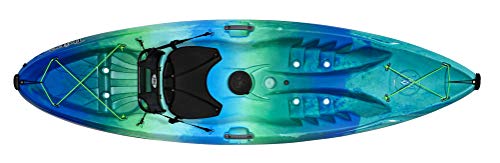
Unleash your adventure with the Perception Tribe 9.5 sit-on kayak, designed for ultimate fun and versatility. With a robust weight capacity of 300 lbs, it's the ideal choice for paddlers of all sizes.

Design Provides Great Stability and Tracking | Multiple Footrest Positions for Different-Size Paddlers | Constructed of UV-Protected High-Density Polyethylene

Quality Construction: Constructed of uv-protected high-density polyethylene. Multiple footrest positions for different size riders. Stable flat bottom
Popular Attachment Methods and Best Practices
Three reliable methods stand out when it comes to attaching your spare paddle!
- Bungee Systems – Deck-mounted bungees offer quick access and secure storage, making them our top attachment technique for day trips.
- Paddle Clamps – We love these purpose-built holders for their rock-solid security, though they’re mainly suited for canoes.
- Deckhand Fasteners – These specialized systems provide the perfect balance of accessibility and stability.
When it comes to placement strategies, we’ve found the rear deck works best for most paddlers. It keeps your front deck clutter-free while maintaining easy reach. Have you considered going under the bungees instead of over them? This little trick helps prevent scratches and keeps everything snug!
Plus, utilizing dry bags with air valves can further enhance storage efficiency during your trips.
Remember: your spare paddle should be as easy to grab as your water bottle – because you never know when you’ll need it!
Choosing the Right Spare Paddle Material
Now that you’ve got your attachment method sorted, let’s focus on selecting the perfect spare paddle material!
When choosing paddle materials for your backup, we need to balance several key factors. Weight considerations are essential – lighter composite options like fiberglass and carbon fiber will reduce fatigue during those unexpected scenarios when you need to switch paddles.
Performance impact and durability features vary greatly across materials:
- Plastic/aluminum: Affordable but heavier
- Fiberglass: Great mid-range option with solid durability
- Carbon fiber: Premium choice, ultralight but expensive
- Wood: Beautiful design aesthetics but needs more maintenance
For most day-trippers, we recommend fiberglass as the sweet spot. It offers excellent durability, reasonable weight, and manageable cost comparisons – without breaking the bank! Additionally, lightweight paddles are particularly beneficial for reducing fatigue during paddling sessions. Remember, your spare might become your primary paddle, so choose wisely.
Recommended Products
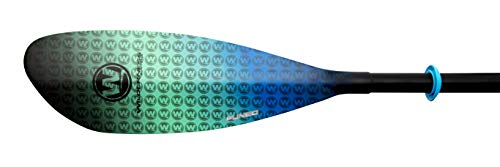
Designed for use with Wilderness Systems Punto kayaks (all sizes/Model years)

Size: 7' 11" - This spare breakdown oar is the perfect size for a variety of watercraft, providing excellent stability and control in the event of an oar failure to get you through your trip.

Statistical Evidence From Experienced Paddlers
While anecdotal evidence has its place, let’s explore what the data really tells us about spare paddle usage!
The numbers paint a fascinating picture of experienced paddler experiences. An impressive 77% of paddlers primarily do day trips, yet they spend more time preparing (6.1 hours on average) than actually paddling (4+ hours)! This careful planning mindset extends to safety equipment.
Most telling is how paddlers use their waterways:
- 59% paddle lakes
- 45% navigate rivers
- 19% venture onto oceans
While specific statistics on spare paddle usage are limited, anecdotal evidence from paddling forums reveals a clear trend – most experienced groups carry at least one spare. Why? Because even on short trips, paddle breakage happens more often than you’d think, and being prepared has saved countless adventures from premature endings! Additionally, many paddlers emphasize the importance of durability features in their equipment choices to ensure they can handle unexpected situations effectively.
Creative Uses for Your Backup Paddle
Beyond its obvious role as a backup, your spare paddle can become one of the most versatile pieces of equipment you’ll carry! Let’s explore some creative paddle adaptations that go way beyond paddling. Need an emergency tent pole? Your spare paddle’s got you covered! We’ve even used ours as an impromptu support beam for tarps during unexpected rainstorms.
When it comes to unique paddle techniques, your backup can serve as a rescue tool during self-recovery maneuvers. It’s also perfect for signaling in emergencies – just think of it as your wilderness distress beacon!
During those long paddling sessions, we’ll often switch between our primary and backup paddles to prevent fatigue. Different blade shapes and shaft designs let us experiment with various strokes while giving our muscles a much-needed change of pace. Additionally, using a backup paddle allows for greater comfort during extended trips, enhancing your overall enjoyment on the water.
Weather Considerations and Paddle Reliability
Speaking of creative paddle uses, let’s consider how Mother Nature can dramatically affect your paddle’s performance and reliability! Weather isn’t just about your comfort – it can make or break your trusty paddle.
Environmental impacts like UV rays, salt water, and temperature swings slowly weaken paddle materials over time. Even your carbon fiber paddle isn’t immune to Mother Nature’s persistent assault!
That’s why proper paddle maintenance is essential. We recommend:
- Rinsing after each use (especially in saltwater)
- Storing away from direct sunlight
- Inspecting for cracks before every trip
- Applying UV protective sprays seasonally
High winds and rough waters put extra strain on paddles, while cold temperatures can make them more brittle. Want to avoid being stranded with a broken paddle? Weather awareness and regular care are your best defenses!
Day Trip Planning With Spare Equipment
When planning a day trip on the water, smart paddlers know that backup equipment isn’t just optional – it’s essential!
We’ve learned that thorough trip preparation includes carefully selected spare gear that enhances safety without weighing us down. A spare paddle tops our must-have list, as ideal paddle performance can make or break our adventure.
Let’s get practical about our backup strategy:
- Store spare paddles where we can quickly access them
- Include a basic repair kit for minor fixes
- Pack extra dry bags to protect valuables
- Bring backup communication devices
Remember, we’re not just planning for perfect conditions – we’re preparing for the unexpected! Having spares gives us confidence to paddle farther and explore more, knowing we’ve got reliable backup gear if something goes wrong.
Think of spares as insurance for your paddling fun!
Recommended Products
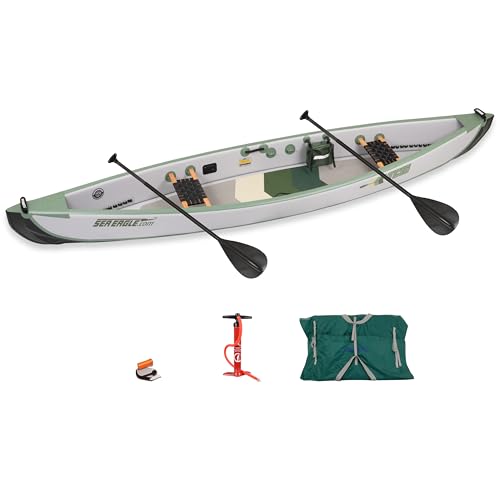
NOW packs smaller & is 10 lbs. lighter with a new lighter, stronger all-woven drop stitch construction, a new modern look, a new larger graphic-patterned non-slip EVA foam deck pad, new stow bag attachment points, new dual accessory pads, new bow & stern Daisy-chain tie-down loops, and new underside abrasion-absorbing reinforcement strips

1️⃣【Effortless Surfing for Everyone】No experience required - Simply install the Underwater Propeller(SUP Motor) on the electric surfboard and you'll get an intuitive and controllable surf boat with a seat to immediately experience the fun of surfing. The surf boat for the rush wave surfboard can accommodate two people for a perfect shared adventure.

Appearance Patent Has Been Filed: Our water bike has been widely welcomed in various countries around the world. The inflatable pedal kayak is driven by an aluminum alloy propeller (Surface Piercing Propeller), the direction of the propeller is controlled by the bicycle handlebar, and the front and rear direction is changed by the pedal. At the same time-quiet driving.It does not disturb aquatic creatures, which is the best choice for fishing and viewing aquatic creatures.
Frequently Asked Questions
How Long Do Quality Paddles Typically Last Before Needing Replacement?
We’ve found quality paddles last 3-5 years with proper maintenance tips like regular cleaning and careful storage. Paddle durability factors, including material choice and usage frequency, can extend or reduce this timeframe considerably.
Can I Use a Child-Sized Paddle as My Emergency Backup?
While it’s not ideal for paddle size, we’d rather see you equipped with a child’s paddle than stranded! In emergency scenarios, it’ll work – just expect more effort and slower progress than your regular paddle.
Do Inflatable Kayaks Require Different Types of Spare Paddles?
Yes, we’ll need longer spare paddles for inflatable kayaks due to their wider design. We recommend choosing lightweight paddle materials like carbon fiber or fiberglass that match your primary paddle’s length and style.
Should Spare Paddles Match the Length of My Primary Paddle?
While paddle compatibility matters, we don’t always need exact length matches. We recommend staying within a few inches of your primary paddle’s length for comfort, but functionality in an emergency trumps perfect length considerations.
Are Telescoping Paddles Reliable Enough to Serve as Backup Options?
Yes, we’ve found telescoping paddle durability to be generally sufficient for backup paddle performance, but we recommend choosing models from reputable manufacturers with positive reviews to guarantee reliability when you need them most.


