As an Amazon Associate, we earn from qualifying purchases. Some links on this site are affiliate links at no extra cost to you. Our recommendations are based on thorough research and editorial judgment.


How To Properly Fit A Life Vest For Maximum Safety?

To properly fit a life vest, we’ll start by measuring the broadest part of your chest for adult sizes, or checking weight for children’s vests. Select a USCG-approved vest that matches these measurements, then don the vest by centering it and fastening all buckles from top to bottom. Adjust straps for a snug-but-comfortable fit, ensuring you can breathe easily. Perform the “lift test” – if the vest rides above your chin, it’s too loose! That’s just the beginning of maximizing your safety on the water.
Key Takeaways
- Measure chest circumference at its broadest point and consult manufacturer’s sizing chart to select the correct vest size.
- Fasten all buckles from top to bottom, ensuring straps are snug but not restricting breathing ability.
- Perform the “lift test” by raising arms overhead – the vest shouldn’t ride up past your chin.
- Test fit while both standing and sitting to ensure comfort and proper function in different positions.
- Check that all straps are securely fastened and excess lengths are tucked away to prevent snagging.
Understanding Life Vest Size Categories
When it comes to choosing the right life vest, understanding size categories is your essential first step to water safety!
Different classification systems exist for adults and children. For adults, it’s all about chest measurements – typically ranging from 60 to 130 centimeters. Children’s vests? They’re sized by weight and chest size.
Let’s break down these size variations:
- Adult sizing focuses on chest circumference, with options from Small to XL
- Children’s vests are labeled clearly as INFANT, CHILD, or YOUTH
- Special sizing exists for larger adults (up to 175cm chest size!)
Remember: Each manufacturer may have slightly different sizing charts. That’s why we always recommend trying on vests before purchase. After all, what fits perfectly from one brand might feel completely different in another!
Want maximum safety? Start with proper sizing – it’s that simple! Additionally, ensuring that the life vest meets USCG approval standards is crucial for optimal safety on the water.
Essential Pre-Fitting Measurements

Now that you’ve got a handle on life vest sizes, let’s get down to the nitty-gritty of pre-fitting measurements!
For adults, chest measurement is your golden ticket to the perfect fit. Grab a flexible measuring tape and measure the broadest part of your chest while sitting or standing naturally. No sucking in that post-lunch belly!
For the little ones, forget the tape measure – it’s all about weight guidelines:
- Infants: 8-30 pounds
- Children: 30-50 pounds
- Youth: 50-90 pounds
Remember to measure before meals or workouts for the most accurate results. And don’t forget to check those straps! They should be long enough to adjust comfortably but short enough to secure properly.
Want a pro tip? Always consult the manufacturer’s size chart – because every brand fits differently! Additionally, ensure that the life jacket meets the U.S. Coast Guard-approved standards for optimal safety during use.
Recommended Products
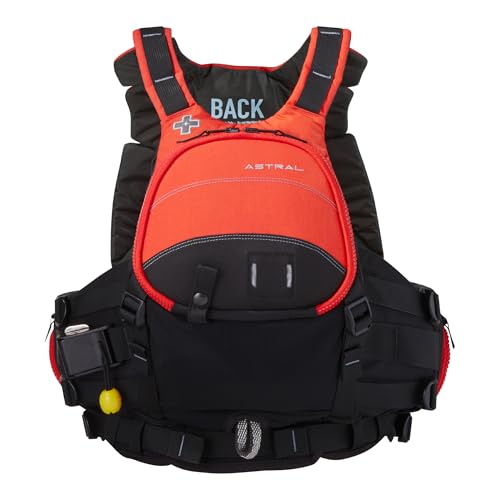
Industry Standard Rescue Vest | Astral’s most popular PFD for the world’s best river guides and top paddlers.

Constructed with 400-denier Ripstop Nylon to handle unexpected snags and debris

US Coast Guard Approved Type III PFD: Meets strict safety standards, so you’re ready for anything from high-speed jet skiing to a relaxed float on the lake.
Step-by-Step Donning Process

The proper donning process can mean the difference between safety and disaster on the water!
Let’s master these essential donning techniques step by step. First, we’ll position the vest with the front facing out – yes, there’s a right way! Slip your arms through those holes and center it perfectly on your torso.
Now comes the vital part – secure fastening. We’ll click those buckles from top to bottom, making sure each one makes that satisfying “snap” sound. Don’t forget to tuck away any loose straps!
Time to adjust for that snug-but-not-suffocating fit. Pull those straps until the vest can’t slip over your head, but you can still breathe comfortably.
Finally, let’s do our safety check! Move around, raise your arms – the vest should stay put. Remember, a properly fitted life vest is your best friend on the water. Additionally, ensure it’s made from durable materials to withstand various outdoor conditions.
Recommended Products

ENHANCED SAFETY - Features a durable nylon outer shell and closed-cell foam flotation for superior anti-exposure protection, ensuring user safety in challenging marine environments.

AUTOMATIC AIRBAG DEPLOYMENT: Vest inflates within milliseconds when the rider is separated from the bike, helping protect the spine, chest, neck, and hips during impact.

High-Float Life Jacket | World’s first freestyle-inspired, high-float rescue PFD designed for whitewater, touring, sailing, and SUP.
Proper Strap Adjustment Techniques

Mastering proper strap adjustment transforms an ordinary life vest into your personal flotation fortress!
Let’s bust some common adjustment myths: you don’t need to tighten straps until you can’t breathe! Instead, we’ll follow a strategic bottom-to-top approach that guarantees both safety and comfort.
Here’s our proven technique for perfect strap maintenance tips:
- Start with the bottom strap – it’s your anchor! Tighten it just below your rib cage.
- Side straps come next – adjust them evenly for a balanced fit.
- Finally, secure those shoulder straps to prevent any unwanted “ride-up” situations.
Remember the “lift test” – your vest shouldn’t rise more than 3 inches when pulled up. (Who wants their life vest becoming a neck warmer, right?)
Don’t forget to check your fit both standing and sitting – because comfort in every position matters! Additionally, ensure that your life vest has U.S. Coast Guard approval, as it not only signifies compliance with safety regulations but also enhances your overall peace of mind on the water.
Recommended Products

THE BOARD WITH HYBRID VERSATILITY: The switch was designed to be a lightweight, stable, and fully-functional hybrid kayak- paddleboard for one or more riders up to 425lbs. Effortlessly Convert the inflatable board from SUP to kayak in only seconds. Our Bundle includes everything you need to get out on the water and start your adventure.

Rear inflation bladder provides up to 58 lbs of lift

Durable canvas - constructed of heavy-duty canvas with webbing-reinforced pockets
Critical Safety Tests for Perfect Fit

Safety testing your life vest’s fit isn’t just smart – it’s essential for staying alive! Let’s walk through two critical tests you absolutely must perform.
First up is the critical lift test, also known as the “touchdown test.” Have someone lift your fully-fastened vest by the shoulders while you raise your arms like you’ve just scored a touchdown! If the vest rides up past your chin, it’s too loose and needs adjusting.
Next comes the buoyancy assessment. In calm, supervised water:
- The vest shouldn’t rise above your ears
- You should float face-up comfortably
- You shouldn’t slip through or sink
Don’t skip these tests – they could save your life! Remember to check that USCG approval label too. A properly fitted life vest will feel snug but not restrictive, letting you move while keeping you secure. Additionally, ensure the vest is U.S. Coast Guard-approved to meet necessary safety standards.
Mobility and Comfort Checks
Once you’ve confirmed the basic safety fit of your life vest, it’s time for the fun part – making sure you can actually move in it!
Let’s start our mobility tests by simulating some key water movements. Swing your arms in wide paddling motions, twist your torso, and reach overhead. How’s that feeling? The vest shouldn’t restrict these essential movements.
Comfort evaluation is next! Check for:
- Even pressure distribution – no pinching or tight spots
- Clear space around your neck and chin
- Straps that stay secure without digging in
- Ability to take deep breaths easily
For the ultimate test, try your vest in shallow water. Can you bring your knees to your chest while floating? Move your arms freely? If everything feels good, you’re ready for a safe day on the water! Remember, it’s important to prioritize adjustable components to ensure a secure fit while allowing freedom of movement.
Common Fitting Mistakes to Avoid
Why do so many people struggle with properly fitting their life vests? Let’s explore some common mistakes that could compromise safety on the water!
First, size selection is vital. We often see people choosing vests that are either too large or too small – especially with children’s vests. Remember: adult vests are never appropriate for kids.
Here’s what we need to watch for:
- Straps must be snug but not restricting
- All buckles and zippers should fasten completely
- Loose straps need tucking to prevent snags
Don’t skip the water test! A vest that feels fine on land may shift dangerously once you’re in the water.
Proper fit is essential to ensure compliance with USCG-approved jackets, which meet strict safety standards.
Finally, maintenance matters. We must regularly check for wear and tear, ensuring all fastening systems work properly. When in doubt, replace rather than risk safety!
Activity-Specific Fitting Guidelines
Different water activities demand unique life vest considerations!
For fishing vests, we’ll want features like multiple pockets and high-back designs that won’t interfere with casting or sitting. Make sure it’s snug but allows full range of motion for reeling in that big catch!
When it comes to paddling vests, lightweight and ergonomic designs are essential. We need maximum mobility for those paddle strokes while maintaining proper fit that won’t ride up.
Children’s vests require extra attention – always choose foam-filled options based on weight and chest size. No inflatable PFDs for kids under 16! Consider proper sizing to ensure the best safety and fit for your child.
For high impact vests used in water skiing or whitewater rafting, we’re looking for maximum buoyancy and impact resistance. These activities demand Type I or Type V USCG-approved gear for ideal protection.
Remember – test the fit by simulating your intended activity!
Recommended Products

INFLATABLE 2-PERSON KAYAK -The Coaster inflatable tandem kayak is designed for two riders and even an adventurous pup! This dog-friendly Kayak allows your furry companion to join in on the fun. It is incredibly stable, spacious, and comfortable, ensuring a smooth, enjoyable ride for all onboard. Just like with any water activity, it's essential for all riders to wear a properly fitted USCG approved personal floatation device when kayaking, and don't forget one for your furry friend too!

【More Assured】Ride with confidence backed by our 3-year warranty and master the waters quickly with our beginner-friendly guide—your safety and satisfaction always come first
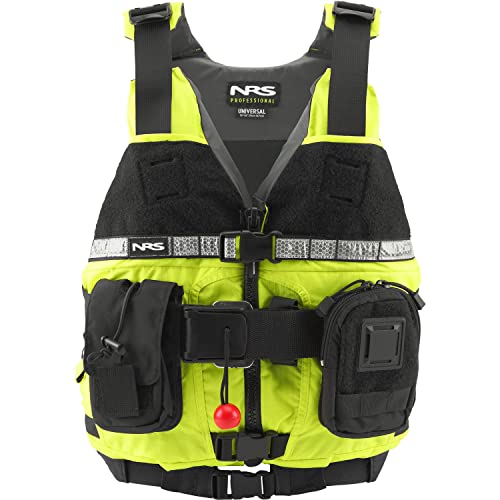
Constructed with 400-denier Ripstop Nylon to handle unexpected snags and debris
Signs Your Life Vest Needs Replacement
Keeping your life vest in top condition isn’t just about comfort – it’s about staying alive! Let’s explore the key wear indicators that tell you it’s time for a replacement.
Watch for fading colors and peeling reflective strips that compromise visibility standards. If you can’t read those vital safety labels or spot damaged flotation integrity like tears and holes, don’t risk it!
Check your vest’s aging materials carefully. Are the foam components feeling brittle? Is there mold or mildew present? These are clear signs you need a new one. Additionally, ensure your vest has a USCG approval number to verify it’s compliant with safety standards.
Regular compliance checks are essential. If your vest fails to meet current ANSI/ISEA standards or shows reduced buoyancy during testing, replace it immediately. And remember – even with perfect care, all life vests have a recommended lifespan from the manufacturer!
Recommended Products

Re-arm kit is appropriate for use with Bluestorm Stratus 35 automatic life jacket/personal flotation device (PFD)

Universal sizing: fits 30" x 65" chest with wide neoprene neckline

ENHANCED SAFETY - Features 28 lbs (12.7kg) of buoyancy, ensuring superior flotation to keep you safely above water in various conditions, providing peace of mind during water activities.
Seasonal Fit Assessment Tips
While seasonal changes bring new adventures on the water, they also mean it’s time to reassess how your life vest fits! Let’s make sure you’re staying safe year-round.
We recommend performing a fit reassessment at least once per season, especially before peak boating months. Here’s what to check:
- Measure your chest circumference at the broadest point – those winter cookies might mean you need adjustments!
- Test the fit with seasonal clothing – what works over a winter coat won’t be ideal for swimsuit season.
- Secure all straps, starting at the waist and working up.
- Do the arm-raise test – your vest shouldn’t ride up over your ears. Moreover, make sure it meets US Coast Guard approval to ensure reliable safety standards.
Frequently Asked Questions
Can I Wear My Life Vest Over a Thick Winter Coat?
We don’t recommend wearing life vests over winter coats, as it compromises proper fitting and safety. Instead, let’s use thin thermal layers under your vest or choose specially designed cold-weather life vests for better protection.
How Often Should I Wash My Life Vest?
We recommend washing your life vest after each use, especially if exposed to sweat, salt water, or dirt. For proper life vest maintenance and washing frequency, clean with mild detergent every six months at minimum.
Should Children Wear Life Vests While Swimming in Pools?
Yes, we recommend children wear USCG-approved life vests in pools if they’re non-swimmers or can’t meet depth requirements. However, it’s not a substitute for swimming safety—we must maintain constant child supervision within arm’s reach.
Can I Share My Life Vest With Someone of Similar Size?
We don’t recommend sharing life vests, even with similar-sized people. Life vest materials stretch and conform to specific bodies, and vest adjustment techniques become less effective when multiple people use the same jacket.
Do Inflatable Life Vests Require Different Fitting Procedures Than Foam Ones?
Good things come in different packages! We’ll tell you that inflatable vs. foam vests need distinct fitting techniques. While foam focuses on bottom-up adjustments, inflatable vests require careful strap positioning to guarantee proper inflation operation.


