As an Amazon Associate, we earn from qualifying purchases. Some links on this site are affiliate links at no extra cost to you. Our recommendations are based on thorough research and editorial judgment.


Is A Type III PFD Suitable For All Water Activities?

Type III PFDs aren’t suitable for all water activities! While they’re great for calm, inland waters and activities like kayaking, sailing, and water skiing, they have important limitations. We wouldn’t recommend them for rough waters or situations where immediate rescue isn’t available, since they provide moderate buoyancy (15.5-22.5 lbs) and won’t automatically turn an unconscious person face-up. For the safest choice in your specific water adventure, let’s explore how different PFD types match different activities.
Key Takeaways
- Type III PFDs are primarily designed for calm, inland waters and may not provide adequate protection in rough or offshore conditions.
- These PFDs don’t guarantee face-up positioning for unconscious users, making them unsuitable for activities far from immediate rescue.
- They’re ideal for activities like kayaking, canoeing, and water skiing where users are conscious and help is readily available.
- The limited buoyancy range of 15.5-22.5 pounds makes Type III PFDs insufficient for heavy seas or prolonged survival situations.
- Type III PFDs are best suited for competent swimmers engaged in activities near shorelines or where quick assistance is possible.
Understanding the Basics of Type III PFDs
Life jackets aren’t all created equal – and Type III PFDs are a special breed! These flotation devices are designed with a specific purpose in mind: keeping us safe during activities in calm, inland waters.
When it comes to PFD construction, Type III models feature foam panels strategically placed to provide either 15.5 pounds of buoyancy for foam versions or 22.5 pounds for inflatable ones. They’re built with adjustable straps that let us move freely while staying secure.
Ready for some water fun? These PFDs are perfect for sailing regattas, kayaking adventures, and dinghy races! Just remember – while they’re great at keeping us afloat, they won’t turn an unconscious person face-up in the water. It’s also important to choose life vests with adjustable fits to ensure both safety and comfort while engaging in your favorite water sports.
Want comfort and mobility? Type III PFDs deliver both, making them a go-to choice for active water enthusiasts!
Key Features and Performance Standards

Now that we’ve covered the basics, let’s explore what makes Type III PFDs stand out!
The performance specifications of Type III PFDs are quite specific – they must provide at least 15.5 pounds of buoyancy for inherently buoyant models and 22.5 pounds for inflatables. These design innovations focus on comfort without compromising safety.
What makes them unique? They’re engineered for maximum mobility and comfort, featuring:
- Adjustable straps
- Front buckles
- Zipper closures
- Strategic foam placement
While they’re perfect for calm, supervised waters, there’s a catch – they don’t guarantee face-up flotation like Type I PFDs. That’s why they’re rated as Performance Level 70, ideal for competent swimmers near shore but not for offshore adventures. Additionally, the use of premium materials like neoprene or Biolite foam enhances comfort and durability, making them a fantastic choice for water enthusiasts.
Remember: The comfiest PFD is the one you’ll actually wear!
Recommended Products

US Coast Guard-Approved: For optimum water safety

US Coast Guard-approved adult life jacket
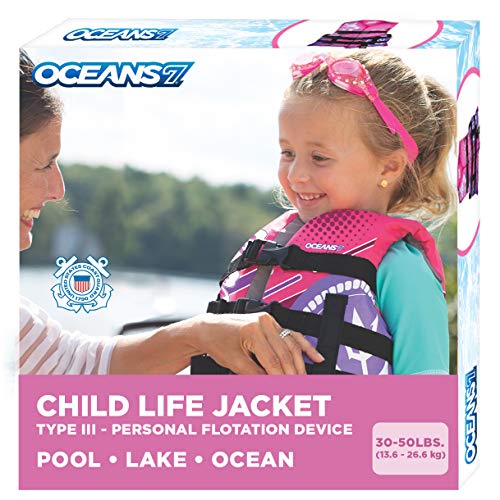
US Coast Guard-approved: Personal flotation device (PFD) passes highest USCG standards and testing; life jackets are labeled for infant, child or youth by weight range
Best Water Activities for Type III PFDs

Three key activities make Type III PFDs shine – whitewater sports, paddling adventures, and recreational boating!
When it comes to ideal activities, we’ll find Type III PFDs perfectly suited for:
- Whitewater rafting and kayaking, where that 15.5 lbs of flotation keeps us safely bobbing while maintaining mobility
- Canoeing and paddling sports near protected shorelines
- Water skiing and personal watercraft riding in supervised conditions
The recommended uses extend even further. Love fishing or hunting on calm waters? Type III PFDs offer the comfort and utility you need, with plenty of pockets for your gear!
These versatile life jackets also excel during sailing regattas, dinghy races, and other supervised water activities. Just remember – they’re best for situations where help is readily available, not for rough offshore conditions. Additionally, when choosing a kayak, consider factors such as stability in water to ensure safety and enjoyment during your adventures!
Recommended Products

Mesh in lower back fits high back seats;
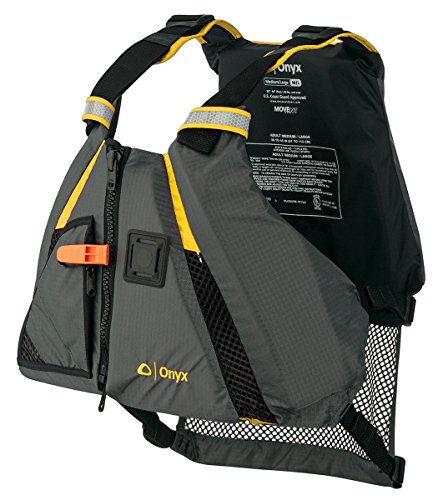
MAXIMUM SAFETY: Dual U.S. Coast Guard and Transport Canada Approved, ensuring the highest standards of water safety
Safety Limitations and Risk Factors

While Type III PFDs offer great versatility for many water activities, we’ve got to understand their limitations to stay safe!
Let’s be clear – these PFDs won’t automatically turn an unconscious person face-up in the water. That’s a huge drowning risk we can’t ignore!
The moderate buoyancy (15.5-22.5 pounds) works well for calm conditions, but rough waters? Not so much. Waves can easily splash over your face, especially if you’re unable to move.
Here’s what we need to watch out for:
- No automatic face-up positioning
- Limited protection in rough waters
- Less buoyancy than Type I or II PFDs
- Inflatable versions require manual activation
Additionally, it’s important to note that U.S. Coast Guard-approved life jackets are crucial for ensuring safety during kayaking.
Comparing Type III to Other PFD Classes

Understanding how Type III PFDs stack up against other classes helps us make smart choices for our water adventures! Let’s explore their unique position in the PFD family.
When it comes to type iii versatility, these devices shine in calm, inland waters where rescue is likely. They offer moderate buoyancy (15.5-22.5 pounds) and exceptional pfd comfort for activities like kayaking and paddleboarding.
But here’s the catch – they won’t turn unconscious wearers face-up like Types I and II! That’s why we don’t recommend them for rough or open waters.
Think of Type III PFDs as your go-to for recreational activities near shore. They’re less bulky than Type I and II options, which means you’re more likely to actually wear them! However, if you’re heading into remote waters, you’ll want something with more substantial buoyancy and self-righting capabilities. Additionally, always ensure your vest has the necessary US Coast Guard approval for optimal safety in open water adventures.
Recommended Products

US COAST GUARD APPROVED – this personal flotation device meets USCG requirements for a Type III Life Jacket. Closed sides, multiple adjustable belt closures for secure fit for water sports enthusiasts
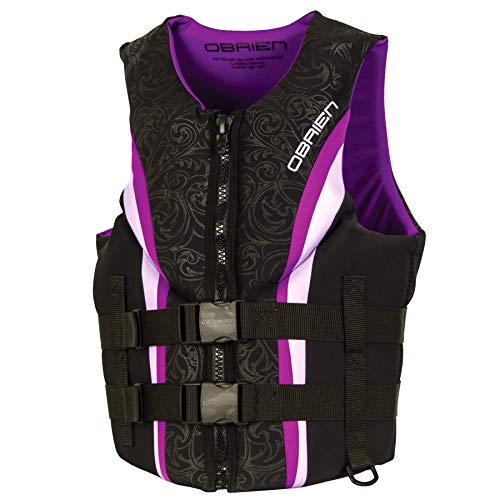
ENHANCED COMFORT AND SAFETY: The O'Brien Women's Impulse Life Jacket is meticulously designed to provide optimal comfort and safety for women, ensuring you can enjoy your water adventures worry-free.
Legal Requirements and Usage Guidelines
Before you head out on the water, let’s get crystal clear on the legal side of Type III PFDs!
For legal compliance, Type III PFDs are perfect for vessels under 16 feet and any size canoe or kayak. Everyone on board needs their own properly fitting PFD – it’s the law!
We’ve got good news for inland water enthusiasts. Type III PFDs are ideal for activities like sailing regattas, kayaking, and paddleboarding where quick rescue is likely. Just remember, they’re not your best bet for rough waters or open ocean adventures!
Want flexibility in your PFD usage? You can swap your Type III for a Type V in certain activities – just check the approval label first. And hey, make sure it’s properly sized and in good condition. The Coast Guard doesn’t mess around with safety! Additionally, all recommended vests feature adjustable components that ensure a secure fit for various water activities.
Maintenance and Care Considerations
Now that you know the legal requirements, let’s make sure your Type III PFD stays in top shape for every water adventure!
Regular routine inspections are your first line of defense. Check for rips, tears, and hardware issues before hitting the water. Who wants a surprise malfunction mid-activity?
We recommend following proper cleaning procedures – hand wash with mild soap and warm water, never machine wash! After saltwater exposure, give it a thorough freshwater rinse.
Smart storage practices make a huge difference. Keep your PFD dry, uncompressed, and away from direct sunlight. For inflatable models, perform bi-monthly inflation tests and annual CO2 cartridge checks. Additionally, consider using heavy-duty storage solutions to protect your PFD from wear and tear.
Recommended Products

6-capacity life jacket storage bag
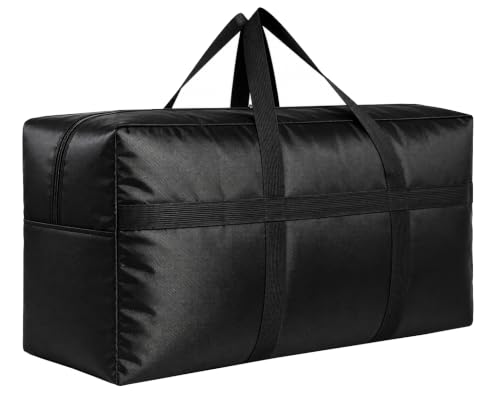
CHOOSE THE RIGHT SIZE: Sizes 60L, 80L, 100L and 130L are ideal for daily outings, road trips, and Travel storage. Sizes 170L and above are better suited for bulky items like tents, folding tables and chairs, inflatable kayaks, bounce houses, and Christmas trees.Compare your item’s actual packed dimensions with the bag dimensions before ordering.

Mount to most T-Tops, bimini tops and pontoon tops to hold Type II life jackets and lots of other gear
Choosing Between Foam and Inflatable Options
When choosing between foam and inflatable Type III PFDs, you’ll want to weigh the key differences that impact your specific water activities!
The foam advantages are clear – they’re ready to go without inflation, require minimal maintenance, and won’t let you down in an emergency. Plus, they’re typically more budget-friendly!
Inflatable preferences often come down to comfort and mobility. With their sleek profile and higher buoyancy when inflated (22.5 lbs vs 15.5 lbs), they’re perfect for activities where you need freedom of movement.
Ask yourself: Are you willing to maintain inflation mechanisms for better comfort? Or would you rather have the reliability of foam?
For casual boating and supervised activities, either option works well – just remember, neither type is meant for rough, open waters! Additionally, proper sizing is crucial as it can hinder floating ability, so choose accordingly.
Recommended Products

USCG APPROVED – this personal flotation device meets USCG requirements for a Type III Life Vest. Closed sides, buckle and Zipper closures built for secure fit for water sports enthusiasts where large range of motion is key. The light, segmented, hinged design allows freedom of movement in all directions

COMFORT AND STYLE: Proudly designed in the USA for recreational activities, our snorkel vests are constructed from durable premium materials and rigorously regulated production processes to ensure the highest quality of our products. With our snorkeling vest device, you can achieve perfect buoyancy and look great at the same time. This snorkel float is ideal for any leisure water activity, including snorkeling, swimming, paddle boarding, sea kayaking, and other low-impact water sports

Soft fabric seat increases comfort and mobility
Weather and Water Conditions Impact
Most Type III PFDs work great in calm waters, but they’ve got some serious limitations when Mother Nature decides to act up!
Weather preparedness is essential since these vests aren’t designed for rough conditions. When storms roll in or winds kick up, the moderate buoyancy (15.5-22 lbs) might not be enough to keep you safely afloat. And let’s talk about water temperature – these vests won’t do much to protect you from the cold!
Here’s what you need to watch for:
- Sudden weather changes that turn calm waters rough
- Cold water that can lead to shock and hypothermia
- Limited visibility during storms
- Strong currents or waves that could submerge you
Additionally, factors such as a kayak’s stability and design can significantly influence your overall safety in varied water conditions.
Essential Safety Precautions and Best Practices
Staying safe during unpredictable weather is important, but let’s talk about the everyday safety practices that’ll keep you protected on the water!
When it comes to emergency readiness, we’ve got to start with proper fit – your Type III PFD should feel snug but not restrictive. Think of it as a safety hug!
Here are our non-negotiable safety rules:
- Always check for that USCG approval label
- Guarantee 15.5-22 pounds of buoyancy
- Keep PFDs readily accessible
- Inspect for wear and tear before every use
Your comfort levels matter too! Type III PFDs are perfect for activities like kayaking and paddleboarding, where you need to move freely. Remember, the best PFD is the one you’ll actually wear consistently.
Pro tip: Try your PFD on before heading out – it should fit like your favorite vest! Additionally, pairing your PFD with waterproof dry bags can help keep your gear safe and dry during water activities.
Frequently Asked Questions
Can Type III PFDS Be Used for Underwater Swimming or Diving Activities?
In the depths of concern for your underwater safety, we strongly advise against using Type III PFDs for diving activities. They’re not designed or approved under diving regulations for submersion and could endanger you underwater.
How Long Does the Buoyancy Foam in Type III PFDS Last?
We’ll typically see buoyancy longevity of 4-6 years in Type III PFDs under normal use. However, we recommend checking flotation effectiveness annually and replacing after 5 years or 300 days of use, whichever comes first.
Are There Specific Color Requirements for Type III PFDS in Competitions?
While you might expect strict rules, there aren’t universal color requirements for Type III PFDs in competitions. We recommend following specific competition guidelines, though bright colors enhance visibility and safety during events.
Can Type III PFDS Be Modified With Additional Pockets or Attachments?
While we can make minor PFD modifications, we recommend only using manufacturer-approved pocket attachments. Any alterations shouldn’t compromise the device’s safety, buoyancy, or structure, or you’ll risk voiding its Coast Guard approval.
Do Type III PFDS Perform Differently in Saltwater Versus Freshwater?
Like a gentle lift from Mother Nature, we’ll notice higher saltwater buoyancy with Type III PFDs compared to freshwater performance. Don’t worry though – they’re still designed to keep us safely afloat in both environments.


