As an Amazon Associate, we earn from qualifying purchases. Some links on this site are affiliate links at no extra cost to you. Our recommendations are based on thorough research and editorial judgment.


What Permits Do You Need For Remote Waterway Access?

If you’re planning to explore Oregon’s remote waterways, you’ll need a Waterway Access Permit for non-motorized boats 10+ feet long – it’s $5-7 for a week, $17-20 for a year, or $30-32 for two years. Keep in mind that federal permits are required for Wild and Scenic Rivers, and some areas have seasonal restrictions. Don’t forget that kids under 14 are exempt! There’s more to traversing permit requirements than meets the eye.
Key Takeaways
- Oregon requires Waterway Access Permits for anyone 14+ using non-motorized boats 10 feet or longer, with options for 7-day, 1-year, or 2-year permits.
- Federal permits are required for Wild and Scenic Rivers, with specific regulations and coordination needed through the National Park Service.
- Seasonal restrictions apply to certain waterways, such as the Middle Fork of the Salmon River’s lottery system from May-September.
- Digital permits offer real-time tracking and updates, making them ideal for remote access planning and monitoring water conditions.
- Both state and federal permits may be necessary, with state permits focusing on recreational access and federal permits protecting sensitive waterways.
Understanding Oregon’s Waterway Access Permit System
Oregon’s waterway access system might seem complex at first glance, but we’ll break it down into simple, manageable pieces!
For non-motorized boats 10 feet or longer, we’ve got three permit options to choose from. Think of it as your ticket to adventure – $5 for a week, $17 for a year, or $30 for two years of exploration! When it comes to permit renewal, just remember that annual permits expire December 31st.
The best part? Your permit is transferable between boats! While boating education isn’t mandatory for this permit, we recommend brushing up on safety basics. To enhance your paddling experience and maintain your equipment, consider regular maintenance as it ensures paddle longevity and performance.
Need a permit? You can grab one online through ODFW’s Electronic Licensing System (just add $1.50 for processing), or visit any ODFW office. Don’t forget – keep that permit handy while you’re on the water!
Basic Requirements for Non-Motorized Boats
What Permits Do You Need For Remote Waterway Access?
Basic Requirements for Non-Motorized Boats
While planning your next paddle adventure, you’ll need to know the basic requirements for non-motorized boats in our waterways!
The rules are straightforward for boating safety and equipment requirements. If your vessel is 10 feet or longer, you’ll need a Waterway Access Permit – this includes canoes, kayaks, rafts, and even stand-up paddleboards.
Good news for our younger paddlers! Children 13 and under don’t need a permit, regardless of boat size.
Here’s what you’ll need to carry:
- Your permit (printed or digital)
- Proper safety gear
- Documentation for any checkpoints
Want flexibility? These permits are transferable between non-motorized boats. Plus, you can choose from annual ($20), biennial ($35), or week-long ($5) options. Quality beginner kayaks can greatly enhance your experience on the water, ensuring stability in water and safety during your adventures.
Remember: The permit grants access to all Oregon state waters – but private and federal waters have their own rules!
Recommended Products

SUPER LOUD survival whistle: double tubes emergency whistle, high pitched powerful noise maker with dual sound chambers, can provide up to 120 decibel dB sound power, enough to be heard over a mile away. Cannot be overblown, works great as signal whistle.
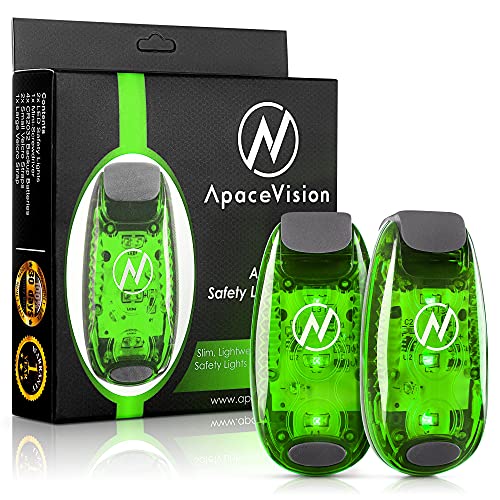
SUPER BRIGHT CLIP-ON LED SAFETY LIGHTS: Each compact clip-on light uses 3 LEDs and offers 3 lighting modes—steady, slow flash and fast flash—to help runners, joggers, walkers and cyclists stay easier to see at night, dawn, dusk and in other low-light conditions.

WATERPROOF FIRST AID KIT: This kit with roll-top closure design is an essential item for anyone who spends time in the great outdoors, whether it be hiking, camping, or engaging in water-based activities such as swimming, surfing, or boating. This type of kit is designed to protect the contents from water damage and keep them dry, ensuring that the supplies inside remain usable and effective in case of an emergency.
Permit Types and Their Associated Costs

The Waterway Access Permit system offers several flexible options to fit your boating schedule and budget!
Let’s break down the permit pricing to help you choose the best value:
- 7-day permit: $5-7 (perfect for short adventures!)
- 1-year permit: $17-20
- 2-year permit: $30-32 (the best deal for frequent paddlers)
Here’s what makes these permits even better – they’re transferable between your watercraft! Planning to take out your kayak today and canoe tomorrow? You’ll only need one permit, as long as you’re using just one boat at a time.
Additionally, if you plan on utilizing your hybrid paddleboards for various activities like kayaking and stand-up paddling, these permits are a great investment.
Remember to factor in a few extra dollars for processing fees when purchasing online. While fees vary slightly between vendors, they typically include a $1.50 portal fee plus a $2 agent fee per transaction.
Recommended Products

Weight: 0.345 lbs

Weight: 0.292 lbs

Cap, Waterway Top Access Diverter Valve, 2", Notched, Black.
Who Needs a Waterway Access Permit
When do you need a Waterway Access Permit for your Oregon adventures? Let’s break down the permit eligibility requirements!
If you’re 14 or older and operating a non-motorized boat that’s 10 feet or longer, you’ll need a WAP. This applies to both Oregon residents and out-of-state visitors enjoying Oregon’s waterways.
Planning to launch your kayak or canoe from Oregon waters? You’ll need that permit handy – permit enforcement officers check for these regularly! It’s essential to note that stability features in your kayak can significantly influence your experience while on the water.
Here’s the good news: if you’re just passing through Oregon waters without launching, you won’t need one. And kids 13 and under? They’re exempt!
Accessing Remote Waterways: Key Considerations

Accessing remote waterways requires careful planning and evaluation of multiple factors that’ll impact your adventure!
Before you grab your gear, we’ve got to tackle some key legal and environmental aspects. First, let’s understand the local navigability definitions – they’ll determine where we can and can’t go. Different states have varying rules, so what works in Utah might not fly in Colorado!
Ecosystem protection is another significant factor we need to examine. We’re not just visitors; we’re stewards of these waterways. That means:
- Checking for invasive species regulations
- Planning proper waste management
- Understanding wildlife habitats
Additionally, considering the stability and comfort of your kayak can significantly enhance your experience, especially when navigating remote areas.
Remember: successful remote access isn’t just about reaching the water – it’s about doing it responsibly. Want to make the most of your trip? Local community engagement and proper safety preparations will be your best friends!
Special Regulations for Wild and Scenic Rivers
Since Congress established the Wild and Scenic Rivers Act, we’ve got some special rules to follow when accessing these pristine waterways!
When it comes to wildlife conservation and river management, these protected waters require extra care. Before planning any activities, we’ll need to:
- Check if our location requires federal permits
- Consult with managing agencies like the National Park Service
- Review environmental restrictions on infrastructure and construction
- Affirm we’re not impacting the river’s natural flow or water quality
Want to know the coolest part? These rivers are protected for their “Outstandingly Remarkable Values” – that’s fancy talk for amazing features like rare fish habitats and scenic beauty! Additionally, it’s important to be mindful of durable materials used in any equipment to ensure we minimize our impact on these sensitive environments.
Remember: Multiple agencies might oversee different segments of the same river, so we’ll need to coordinate with all relevant authorities. Better safe than sorry!
Where to Purchase Your Waterway Permits
Now that we’re familiar with Wild and Scenic River regulations, let’s get you set up with the right permits!
The easiest way to purchase your permits? Head straight to the Boat Oregon Store online. It’s your one-stop shop for all permit types and renewals!
Here are our top purchasing tips:
- Save time by buying multiple permits at once – you’ll get a single certificate listing all permits
- Choose between 7-day ($5), one-year ($17), or two-year ($30) options
- Download your permit as a PDF or save it on your MyODFW app
No internet? No problem! Visit any ODFW office or licensed agent throughout Oregon.
Remember: annual permits expire December 31st regardless of purchase date, so time those permit renewals strategically. Additionally, be mindful of the weight capacity limits for your gear when planning your waterway excursions. Ready to hit the water?
Recommended Products

Durable & Weather-Resistant – Designed to securely store 8.5" x 11" permits, plans, and flyers, this outdoor permit holder ensures your important documents remain safe and accessible. The clear, weather-resistant plastic provides visibility while protecting against rain, wind, and other outdoor elements.

Black Mesh Cover with Soft Black Material on the Spine
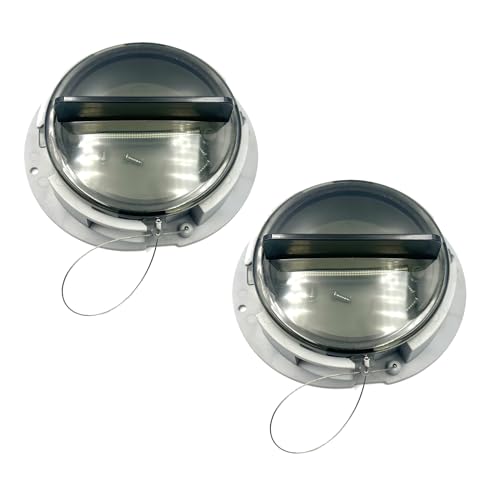
FEATURE - Cabtherlyn Twist lock document holder with wire attached to cover. Keeps permits, work licenses, and other papers dry, secure and accessible
Digital vs. Physical Permit Options
When it comes to managing your waterway permits, you’ll need to choose between digital and physical formats – and we have the inside scoop on both!
The digital transformation of permitting systems has revolutionized how we access waterways. Digital permits offer real-time tracking, instant updates, and seamless integration with mobile devices. Plus, you’ll never have to worry about losing that crumpled paper permit again!
Here’s why we are huge fans of digital permitting efficiency:
- Lightning-fast processing times
- Automatic renewal reminders
- Easy access from your phone
- Eco-friendly (save those trees!)
But we understand some folks still prefer physical permits. While they’re reliable in areas with spotty internet coverage, they’re more vulnerable to damage and can’t be instantly replaced if lost. Additionally, having a digital permit can enhance your overall experience by allowing for easier planning of your water activities based on real-time conditions.
The bottom line? Digital is the way to go when possible!
Recommended Products

BREAKDOWN OF PARTS INCLUDES THE FOLLOWING ITEMS: (1) Black Permit Box Outside Cover (1) Red Permit Box Inside Housing (1) Plans Door with Pen/Pencil Holder (1) Tack Board (4) Tack Board Fasteners (10) Push Pins (1) No Trespassing Decal

Offer a Good Protection: the brochure holder wall mount with lid is a flyer stand for outdoor use, which can avoid water, dust and dirt damaging commercial materials, and the cover on the fixture helps create a seal to protect your paper well
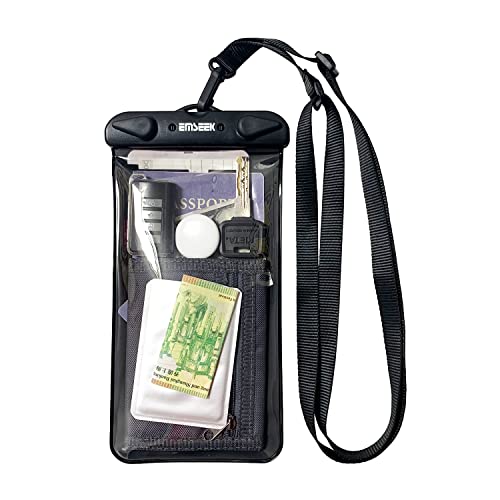
"1. IPX8 Waterproof passport bag waterproof up to 32Feet(10m),No worries of your valuables get lost and wet any more. EMSEEK large capacity organizer can store boarding pass, passport, money, credit card, ID, driver license, car key fob,keys,tickets, coins, loose money, driver license,vaccince Card and other documents. Individual Holders for passport, boarding card, smartphone make you easy access to get them out ,which makes your journey convenient and comfortable."
Seasonal Considerations for Remote Access
Understanding seasonal changes can make or break your remote waterway adventure! Let’s explore what you need to know about permit availability and seasonal timing for accessing those pristine waterways.
Take the Middle Fork of the Salmon River – we’ve got a strict lottery control season from May 28 to September 3. And don’t forget about those essential tributary permits if you’re planning to navigate Big Creek!
We’ve got to be smart about seasonal closures. Big Creek, for instance, is completely off-limits from April 1 to May 31 and August 1 to September 30.
Bear activity and water availability also play significant roles in your planning. Some access points, like Boundary Creek and Dagger Creek, might have limited potable water depending on the season. Additionally, preparing for unpredictable water conditions can enhance your safety and enjoyment on the journey ahead.
Remember: Mother Nature sets the schedule, and we’ve got to plan accordingly!
Multi-Day Trip Permit Planning
Planning a multi-day trip on remote waterways requires careful attention to permit requirements that’ll keep you legal and worry-free! Let’s nail down your multi-day logistics: non-motorized boats 10 feet or longer need a Waterway Access Permit, with options for 7-day ($5), one-year ($17), or two-year ($30) coverage. We recommend securing permits well before launch day – no one wants last-minute permit stress! Your permit fees support essential environmental impact programs, like fighting aquatic invasive species. Isn’t it great knowing you’re helping protect the waterways we love? Additionally, ensuring that your kayak has appropriate weight capacity can significantly enhance your safety and enjoyment on the water.
State vs. Federal Waterway Requirements
Since traversing state and federal waterway requirements can feel like charting choppy waters, let’s break down the key differences you’ll need to know!
In our state permit comparison, we’re looking primarily at recreational access. States like Oregon require specific permits for non-motorized boats over 10 feet – think kayaks and canoes. These permits help fund local facilities and typically cost between $5-30.
When it comes to federal permit implications, we’re dealing with much bigger fish! These permits govern major structural changes to waterways, like dredging or building bridges. They also protect sensitive coastal areas and wetlands.
Here’s the key distinction: state permits focus on getting you out on the water safely, while federal permits guarantee our waterways stay protected for generations to come!
Supporting Conservation Through Permit Fees
While state and federal permits get us legal access to waterways, let’s talk about how those fees actually make a difference!
Your permit dollars directly support vital ecosystem services and sustainability initiatives. In Oregon, for example, we’re seeing those fees power both invasive species prevention and improved waterway access.
Here’s what your permit fees accomplish:
- Fund environmental impact studies
- Support local conservation projects
- Maintain public access points
- Combat aquatic invasive species
The California Coastal Commission even offers fee waivers for non-profit projects that align with conservation goals. Isn’t it great knowing our fees contribute to protecting these precious resources?
Remember: Every permit we purchase helps achieve broader environmental objectives, like conserving 30% of our lands and waters by 2030. Now that’s money well spent!
Safety Protocols for Remote Water Navigation
Three essential components form the foundation of safe remote water navigation – proper equipment, thorough preparation, and clear communication protocols.
We’ll never compromise on safety equipment! Every vessel needs life jackets, fire extinguishers, and visual distress signals. But when we’re heading into remote waters, we’ve got to take our navigation skills to the next level.
Before departing, let’s make sure we’ve got updated charts and a working radar system. Have you tested your satellite communication devices lately? They’re your lifeline in emergencies!
- Keep VHF radios charged and ready
- Practice emergency protocols with your crew
- Monitor weather conditions constantly
- Maintain safe speeds based on conditions
Remember: Remote waterways mean we’re often our own first responders. That’s why thorough preparation isn’t just smart – it’s vital for survival.
Local Authority Guidelines and Restrictions
As we navigate the complex world of waterway permits, let’s make sure we’ve got all our documentation in order! The permitting process varies by location, but we’ll focus on Oregon’s thorough system as an example.
Here’s what you need to know about enforcement challenges:
- Non-motorized boats 10+ feet require a Waterway Access Permit
- Starting 2026, all non-motorized vessels (except inner tubes) need permits
- Out-of-state motorized boats must carry an AIS permit
Keep your permit readily available for inspection! You can display it electronically through the MyODFW app – how convenient is that?
Remember: Local authorities take compliance seriously. They’re checking for both permits and potential invasive species. Don’t risk a citation or being denied access – get your paperwork sorted before hitting the water!
Frequently Asked Questions
Can I Get a Refund if Weather Conditions Prevent My Planned Trip?
We regret to inform you that Mother Nature’s surprises won’t trigger refunds. Our refund policies don’t accommodate weather contingencies, as permits remain non-refundable once purchased. We encourage checking forecasts before securing your permit.
What Happens if I Lose My Permit During a Multi-Day Expedition?
We’ll help you initiate the permit replacement process immediately. Keep digital backups, use waterproof holders, and notify authorities right away. Meanwhile, continue your expedition – your initial permit remains legally valid despite being lost.
Are There Group Discounts Available for Organized Paddling Clubs?
We don’t currently offer standard group rates or club membership discounts for Waterway Access Permits. While you can purchase multiple permits at once, each boat needs its own permit at regular individual pricing.
Can I Transfer My Permit Between States With Reciprocal Agreements?
Like a single key won’t open every door, we regret that most states don’t honor reciprocal agreements for Waterway Access Permits. You’ll need to obtain separate permits for each state where you plan to paddle.
Do I Need Special Permits for Night-Time Paddling on Oregon Waterways?
We don’t need special permits for night paddling on Oregon waterways, but we must follow water safety regulations by having a white light and standard safety equipment like life jackets and whistles while paddling after dark.


