As an Amazon Associate, we earn from qualifying purchases. Some links on this site are affiliate links at no extra cost to you. Our recommendations are based on thorough research and editorial judgment.


Why Should You Never Overfill A Dry Bag?

Overfilling a dry bag might seem harmless, but it’s a sure way to compromise your gear’s safety! When we pack these bags beyond capacity, we’re putting dangerous stress on the materials and seams, which weakens waterproof coatings and creates potential tear points. This can lead to water seepage, unstable weight distribution, and damaged equipment – definitely not what we want on our outdoor adventures. Let’s explore how to properly pack these essential bags to maximize their protection and performance.
Key Takeaways
- Overfilling creates stress on seams and material, compromising the bag’s waterproof rating and potentially exposing gear to water damage.
- Excess pressure weakens fabric and creates tear points, leading to micro-cracks and pinholes that damage the bag’s integrity.
- Uneven weight distribution from overfilling makes the bag unstable and increases risk of shoulder strain during transport.
- Overloading strains waterproof coatings and closure points, reducing the bag’s overall lifespan and protective capabilities.
- Overpacked bags trap humid air and prevent proper ventilation, leading to internal moisture buildup that can damage contents.
Understanding the Risks of Dry Bag Overfilling
While properly packing a dry bag might seem like a straightforward task, understanding the real risks of overfilling can save you from disaster on your next outdoor adventure!
Let’s talk about dry bag construction and why those filling limits really matter. When we overstuff our bags, we’re putting dangerous stress on the material and seams. Think of it like an overstretched rubber band – it’s only a matter of time before something gives!
The physics is simple: excess pressure weakens fabric weave, creates potential tear points, and compromises the structural integrity of the entire bag. We’ve seen it happen in the bulk bag industry, and the same principles apply here. Additionally, the waterproof rating of your dry bag can be significantly compromised if it is overfilled, leading to possible water exposure of your gear.
What’s worse? Overfilling creates uneven weight distribution, making your bag unstable and harder to handle. Trust us – following manufacturer guidelines isn’t just a suggestion, it’s essential for safety!
Recommended Products
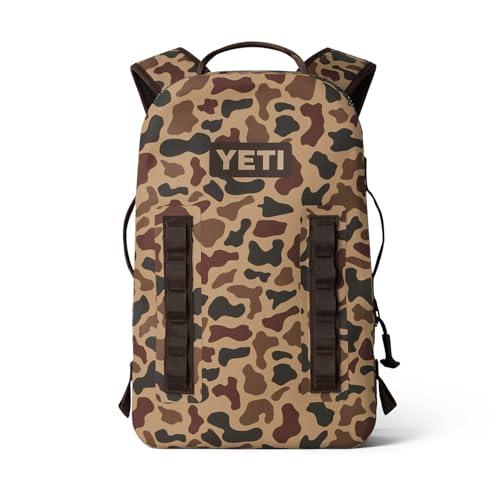
The Panga Backpack is an airtight, waterproof fortress merging the durability of the Panga Duffel with a tried-and-true backpack design

Airbag pack designed for navigating avalanche terrain

A 100% dry duffel. But definitely not a cooler. Hydrolok zipper makes sure water stays out so your gear stays bone-dry, no matter how torrential it gets.
Maintaining Waterproof Seal Integrity
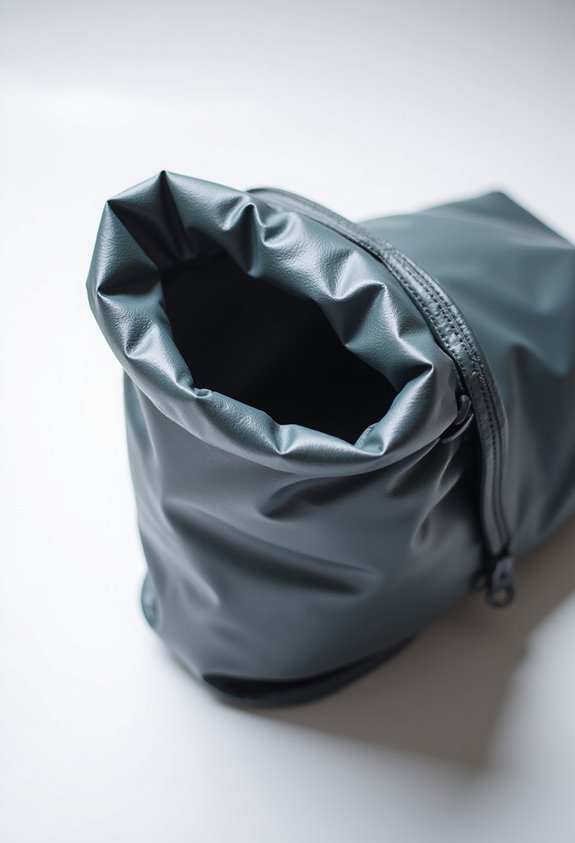
Since your dry bag’s waterproof seal is its first line of defense against moisture, maintaining its integrity should be your top priority!
Let’s look at the key stress factors that can compromise your bag’s protection. When you overfill your dry bag, you’re putting excessive strain on vital areas – especially those waterproof coatings that keep your gear safe and dry.
Think of it like an overstuffed suitcase trying to zip shut. The more pressure you apply, the more likely something’s going to give!
Here’s what happens when you overfill:
- Seams stretch beyond their limits
- Closure points face unnecessary strain
- Protective coatings wear down faster
- Overall bag lifespan decreases
Want your dry bag to last longer? Remember this golden rule: give your gear some breathing room! A properly filled bag is a happy, protective bag. Additionally, choosing a dry bag with waterproof performance will help ensure your gear remains shielded from moisture.
Recommended Products

VEHICLE_CARGO_CARRIER

Heavy-duty poly/butyl/poly trilaminate design stands up to years of aggressive diving

【Wholesale Made Easy】METRONIC supplies white bubble mailers 10.5x15 Inch in full pallet packaging: 15 cases/pallet, 250 packs/case (Total 3750 packs). Bubble mailers 10.5x16" 3750PC not only eliminates the hassle of frequent restocking but also save on business supplies in bulk.
Preventing Material Stress and Damage
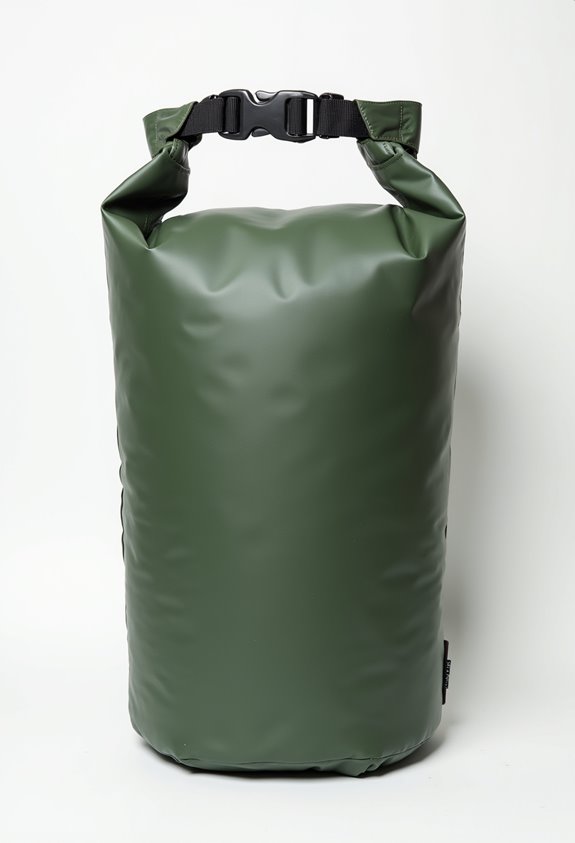
Because a dry bag’s materials face constant stress during outdoor adventures, understanding how to prevent damage is essential for long-term performance!
We need to pay special attention to seam integrity when packing our dry bags. Those seams are like the weakest links in a chain – when we overfill, they’re the first to show signs of stress.
Proper load distribution is vital! Instead of cramming everything into one spot, we’ll want to spread items evenly throughout the bag. This prevents those pesky bulges that can lead to fabric fatigue and deformation.
Remember those micro-cracks and pinholes that appear when we stretch materials too far? They’re not just cosmetic issues – they’re early warning signs that our dry bag is struggling! By maintaining reasonable fill levels, we’re protecting our gear for countless adventures ahead. Additionally, using bags made from durable materials can significantly enhance their resistance to wear and tear.
Recommended Products

COLORFUL BOUNCE HOUSE: Bring fun to your loved ones and make their childhood playful. A beautiful colorful commercial grade selection for your kids that can be used for any occasion such as birthday party, family gatherings, wedding, celebration, and more. A moonwalk bouncer that can be used either indoors or outdoors creating unforgettable memories with your beloved ones.

COLORFUL INFLATABLE SLIDE: Bring fun to your loved ones and make their childhood playful. A beautiful colorful commercial grade selection for your kids that can be used for any occasion such as birthday party, family gatherings, wedding, celebration, and more. A moonwalk bouncer that can be used either indoors or outdoors creating unforgettable memories with your beloved ones.

BUILT FOR LASTING DURABILITY & STABILITY: Inflatable boats for adults made with heat-welded PVC and a reinforced .9mm 1100-denier rip-resistant fabric layer for heavy-duty use; resists punctures, UV exposure, oil stains, and everyday wear, while the stylish high-pressure drop-stitch air floor helps provide smooth, comfortable, stable rides equal to a RIB for casual boating and fishing
Essential Safety Guidelines for Proper Usage

When it comes to using dry bags safely, following proper guidelines isn’t just about protecting our gear – it’s about protecting ourselves too! Let’s explore some essential best practices that’ll keep us safe on our adventures.
First, we’ll want to maintain proper weight distribution by placing heavier items at the bottom. This simple step prevents dangerous toppling and strain!
Here are our key safety measures:
- Always leave room for proper roll-top closure
- Never exceed the bag’s safe working load (SWL)
- Keep some air space for flotation
- Inspect handles and seams before each use
Additionally, understanding the waterproof rating of your dry bag ensures you choose the right one for your activities.
Remember: an overstuffed bag isn’t just annoying – it’s a safety hazard. Those compromised seals and stressed materials can lead to everything from wet gear to serious injuries. Who wants that kind of excitement on their trip?
Impact on Performance During Outdoor Activities

Although dry bags are designed to be tough companions on our adventures, overfilling them can seriously compromise their performance in the great outdoors!
When we stuff our dry bags beyond capacity, we’re sacrificing both performance efficiency and activity versatility. Those overpacked bags become unwieldy monsters that slow us down during portages and make kayaking a real challenge.
Let’s face it – we can’t move quickly or safely when we’re wrestling with a bulging dry bag that won’t seal properly! An overfilled bag also restricts our access to essential gear when we need it most.
Think about that moment when you need your first aid kit or rain jacket. Wouldn’t you rather have organized, easily accessible gear instead of playing the frustrating “dig to the bottom” game while your companions wait? Additionally, ensuring proper capacity and size selection based on trip length can help maximize your efficiency on the water.
Managing Condensation and Internal Moisture
While dry bags excel at keeping water out, we can’t ignore the sneaky moisture that builds up inside!
When it comes to moisture management, overfilling is your worst enemy. A stuffed bag traps humid air and prevents proper ventilation, creating the perfect environment for condensation to form.
Want effective condensation control? Here’s what we recommend:
- Pack only dry items – no sweaty hiking clothes!
- Leave enough space for proper roll-top closure
- Use silica gel packets strategically
- Separate gear into multiple smaller bags
Temperature differences between warm contents and cool external air can trigger condensation on inner surfaces. That’s why we always suggest leaving some breathing room in your dry bag. Additionally, ensuring that your gear is packed with effective ventilation can further help manage moisture levels within the bag.
Structural Durability Considerations
Beyond moisture control, let’s talk about keeping your dry bag in one piece!
When you stuff your bag to the brim, you’re putting tremendous stress on every part of its construction. Despite excellent material selection and seam reinforcement, even the toughest dry bags have their limits.
Think of it this way – overfilling stretches the fabric like an overstuffed suitcase, but with much riskier consequences. Sharp objects can tear through strained material, and those reinforced seams? They’ll start to fail under pressure.
We’ve all been tempted to squeeze in “just one more thing,” but here’s what really happens:
- The material stretches beyond its limits
- Seams begin to separate
- The waterproof coating gets compromised
- External abrasion becomes more likely
Moreover, choosing dry bags with high waterproof ratings ensures maximum protection, making it even more crucial to maintain their structural integrity. Don’t sacrifice durability for capacity – your gear deserves better!
Optimal Packing Techniques for Dry Bags
Since proper packing can make or break your dry bag’s effectiveness, let’s plunge into the techniques that’ll keep your gear bone-dry!
Smart packing order is your best friend here. Start by placing soft items like clothing at the bottom – they’ll create a protective cushion for everything above. Think of it as building the perfect gear sandwich!
For ideal gear organization, position hard items and electronics in the center, surrounded by soft buffers. Your most-needed items should live near the top for quick access.
Here’s a pro tip: use smaller dry pouches or packing cubes inside your main bag. They’re perfect for sorting gear and adding an extra layer of protection.
Remember to compress as you pack – but don’t overstuff! A properly packed dry bag should still have enough room for a secure roll-top seal. Additionally, ensure you utilize high-quality materials when selecting a dry bag to maximize its waterproofing capabilities.
Recommended Products

Reduce Freight & Storage Costs: Stop wasting valuable warehouse space and inbound freight costs on bulky gel packs. These ice pack sheets for coolers ship and store completely flat, thin, and remarkably light. You add the water weight only when you are ready to freeze and use them, making them a highly cost-effective alternative.

PREMIUM MULTI-PURPOSE HARD CASE: Crushproof, dustproof, watertight, universal hard case for the best protection and dry box storage of camera, dive gear, equipment, electronics, drones, and more. Lockable and TSA approved

【4 Camping Ways】This Naturehike hot tent offers 4 flexible setups for your outdoor needs: Enclosed Overnight Mode: Stay warm and protected during chilly nights.Full Mesh Ventilation Mode: Maximize airflow on warm days while keeping bugs out.TPU Viewing Mode: Enjoy clear, weather-resistant views of the surroundings.Canopy Tent Mode: A lightweight shelter for quick shade and relaxation.
Weight Distribution and Balance Effects
Understanding weight distribution in your dry bag isn’t just about comfort – it’s essential for your safety and mobility!
When we overfill our bags, the weight transfer implications can throw off our entire balance. Think about it: that extra stuffing shifts the load center adjustments away from our body’s natural center of gravity, forcing us to compensate with every step.
Here’s what happens to our bodies when we overpack:
- Our shoulders strain to manage uneven weight distribution
- Our posture shifts uncomfortably to one side
- Our stability decreases, especially on tricky terrain
- Our energy drains faster due to constant readjustments
In addition, an overloaded bag may prevent effective seal mechanism types, increasing the risk of water damage to your gear.
Want to stay nimble on the trail? Keep your dry bag properly filled! This allows the bag to work with your body’s natural movement patterns, not against them. Your back (and your hiking buddies) will thank you later!
Emergency Preparedness and Gear Protection
The safety of your gear can make or break an emergency situation! When preparing for emergency scenarios, we can’t stress enough how vital it is to protect your equipment properly.
Overfilling your dry bag doesn’t just stress the fabric – it compromises the very features designed to keep your supplies safe. We’ve seen too many cases where bulging bags lead to tears, failed seals, and ruined emergency supplies.
Want to maximize gear longevity? Keep those fill levels reasonable! A properly packed dry bag should:
- Maintain its shape for effective water resistance
- Seal completely to prevent dust and moisture
- Open easily when you need your supplies
- Stack efficiently for long-term storage. Additionally, ensuring that you use a dry bag made from durable materials can enhance its resilience against wear and tear.
Recommended Products

Instant Setup, No Assembly Required: Simply unfold the side‑opening structure and pull out the included 7.5 ft telescoping ladder – the tent pops open automatically thanks to powerful Stabilus gas struts. Enjoy a spacious shelter in seconds, with zero poles or complex assembly

【BREATHABLE FABRIC and WIND ENDURANCE】 The Regatta canvas tent is made from breathable performance canvas. It's waterproof, UV resistant and available in multiple colors. With excellent wind and rain resistance, it's your reliable shelter in any weather. It's also available in a flame-retardant version for 4-season camping with wood stove. Elevate your outdoor experience with the White Duck Outdoors Regatta Tent.

CNC Aluminum & Easy Setup: This rooftop tent revolutionizes setup with German-engineered hydraulic struts - just lift and it self-deploys effortlessly, no assembly required. The aerospace-grade CNC aluminum frame with aluminum honeycomb panels offers military-grade durability at a featherlight weight. Installs on most roof racks in minutes - just bolt it on and your adventure starts now
Frequently Asked Questions
Can Dry Bags Be Washed in a Washing Machine?
We don’t recommend machine washing your dry bags, as it can damage waterproof seals and coatings. For proper bag care, hand wash with mild soap and warm water, using gentle motions to protect the material.
How Long Do Dry Bags Typically Last Before Needing Replacement?
We’ll typically get 3-10 years from quality dry bag lifespans with regular use. It’s time for replacement when you notice significant wear, holes, or failing seals that compromise waterproof protection of your gear.
Are Dry Bags Recyclable at the End of Their Lifespan?
Like a puzzle missing pieces, most dry bag recycling isn’t possible through standard programs. We’re sorry to say they typically end up in landfills since their specialized materials aren’t accepted, despite our wishes for eco-friendly materials.
Can Dry Bags Withstand Extreme Temperatures During Winter Camping?
Yes, we can trust modern dry bags in extreme cold. They offer excellent temperature resistance down to around 14°F, though they’re not for winter insulation alone – they mainly protect gear from moisture and snow.
Do Different Colored Dry Bags Offer Varying Levels of UV Protection?
We’ve found that Mother Nature plays favorites! Yes, different colors impact UV protection considerably. While bright and neon shades shield better by reflecting rays, darker colors can absorb more UV, potentially compromising your bag’s longevity.


