As an Amazon Associate, we earn from qualifying purchases. Some links on this site are affiliate links at no extra cost to you. Our recommendations are based on thorough research and editorial judgment.

What Size Dry Bag Do You Need For Day Trips?

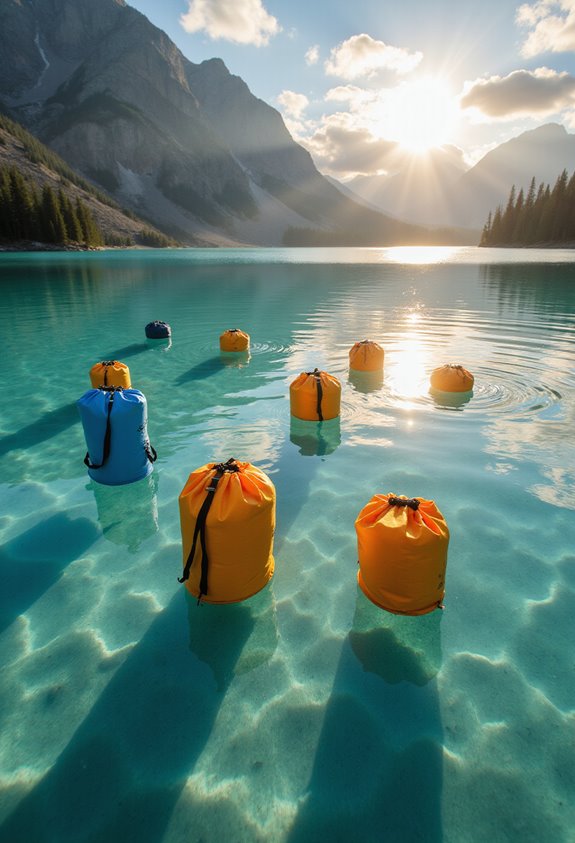
For most day trips, we recommend a 15-30 liter dry bag to protect your essentials while staying nimble on the trail! This size comfortably fits extra clothes, lunch, camera gear, and safety supplies without becoming unwieldy. Smaller 5-10L bags work great for minimalist adventurers, while water sports enthusiasts might need 30L for wet gear. Strategic packing with multiple smaller bags versus one large one helps distribute weight evenly – and there’s much more to contemplate when choosing your perfect size.
Key Takeaways
- 15-30 liter dry bags are ideal for day trips, providing enough space for extra clothes, lunch, snacks, and essential gear.
- Multiple smaller bags (5-10L) offer better organization and weight distribution than a single large bag.
- Day hikers should opt for 10-15L bags, while water sports enthusiasts need 30L bags for wet gear storage.
- Roll-top dry bags with compression capabilities help maximize space while maintaining waterproof protection.
- Color-coded bags in various sizes enable quick access to frequently needed items during day adventures.
Understanding Common Dry Bag Sizes for Daily Adventures
When it comes to choosing a dry bag for day trips, size really does matter! Let’s explore the most practical options to keep your gear protected with the right waterproof features.
For most daily adventures, we recommend starting with a 15-30 liter dry bag. It’s the sweet spot for versatility! These mid-sized bags are perfect for carrying:
- Extra clothes
- Lunch and snacks
- Camera equipment
- Small first aid kit
Want something more compact? A 5-10 liter bag works great for minimalist explorers. The dry bag materials in this size range are typically lighter while maintaining durability. Additionally, selecting a bag with a high waterproof rating ensures that your gear remains safe even in wet conditions.
Recommended Products

THE PERFECT KAYAK FOR OUTDOOR FUN: The Brooklyn Kayak Company BKC RA220 Angler has everything an angler needs for the ultimate aquatic adventure except for a reel, bait, and a bit of luck.

Quality rack-less pannier bags built for off-road adventure riding.
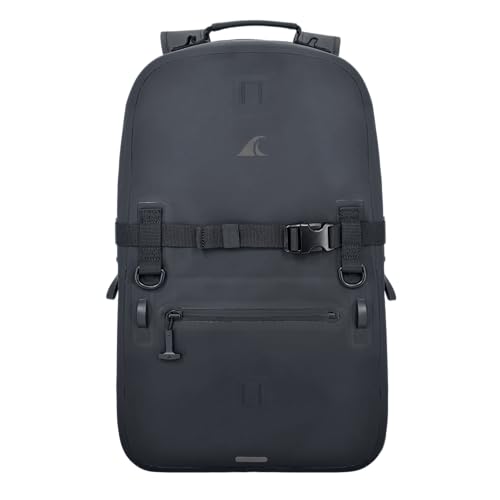
CONQUER IT ALL WITH THE FOGLAND 25L BACKPACK – WHILE KEEPING YOUR GEAR SAFE & DRY: Seamlessly go from land, to water, to daily life with the 100% waterproof, fully submersible Fogland Backpack. This floating, airtight backpack is made of our virtually indestructible Hydrowall TPU to protect your gear in all climates, conditions, and environments.
Essential Factors When Selecting Your Day Trip Dry Bag
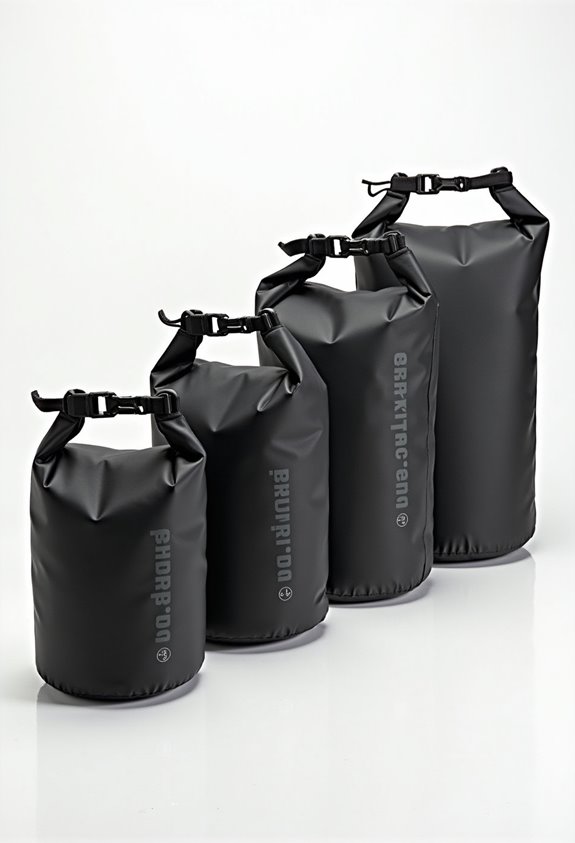
Let’s talk closure systems. Roll-top designs are your best friend for day trips, creating a reliable waterproof seal when rolled properly. Want extra peace of mind? Look for models with additional securing mechanisms.
Consider these practical features:
- Color-coding for quick gear identification
- Compression capabilities to save space
- Multiple smaller bags instead of one large one
- Attachment points for versatile carrying options
Remember: the right combination of durability and smart design makes all the difference! Additionally, bags should ideally have an IPX rating to ensure they can withstand varying levels of water exposure.
Activity-Specific Size Recommendations
Now that you’ve got the basics down for selecting your dry bag, let’s talk about sizing for different adventures!
For kayaking and rafting day trips, we recommend a 15-20L bag – it’s perfect for those essential activity adaptations like extra clothes and snacks. Want to hit the trails? A 10-15L bag works great for most day hikes!
Water sports enthusiasts, listen up! If you’re packing wetsuits, aim for a 30L bag. It’ll fit your suit plus those vital dry clothes for after.
Weight considerations matter too. Remember: bigger isn’t always better! Multiple smaller bags often beat one large one for organization and comfort. For example, two 15L bags distribute weight more evenly than one 30L monster.
Pro tip: Keep frequently needed items in a smaller “carry-on” dry bag for quick access! Waterproof performance is crucial in selecting the right dry bag to ensure your gear remains safe and dry during your activities.
Practical Storage Capacity Guidelines
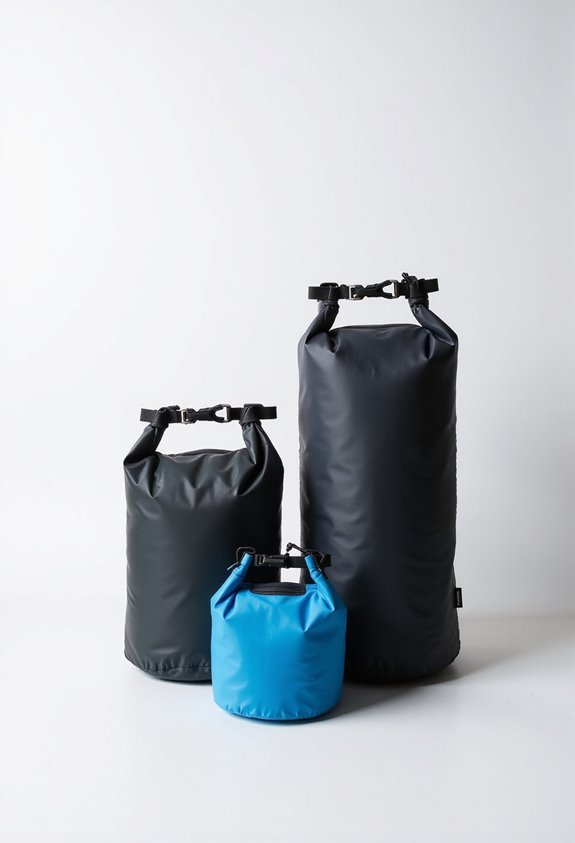
Since choosing the right dry bag capacity can make or break your adventure, let’s immerse ourselves in practical storage guidelines that’ll keep your gear safe and organized!
When comparing dry bag features, size matters! A 5-10 liter bag works perfectly for quick adventures where you’ll only need essentials like snacks and a light jacket.
For more extensive day trips, we recommend stepping up to a 15-30 liter capacity. This sweet spot gives you enough room for a change of clothes, lunch, and safety gear without being cumbersome.
Here’s a pro tip: Look for bags with roll-down tops! They’re incredibly versatile since you can adjust the capacity based on your needs. Plus, many larger bags come with shoulder straps – a lifesaver when you’re hauling gear to and from the water. Additionally, consider bags with high-quality materials like tear-resistant polyester for enhanced durability and waterproof capabilities.
Expert Tips for Maximizing Your Dry Bag Space
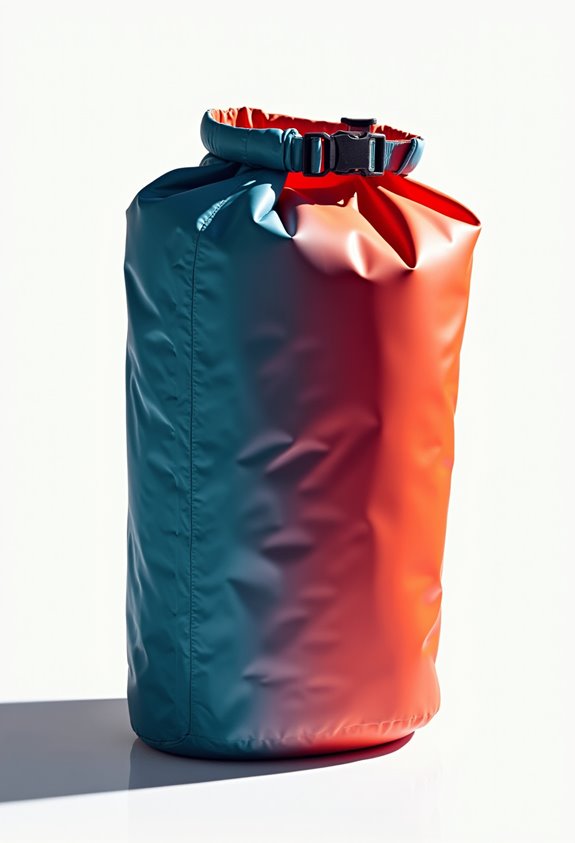
Making the most of your dry bag’s precious real estate requires some ninja-level packing skills! Let’s explore some proven packing techniques that’ll help you maximize every inch of space.
Start with a clean, dry interior and organize your gear in layers – heavy items at the bottom, lighter ones on top. We’ve found that packing cubes are absolute game-changers for space optimization!
Here’s our pro strategy:
- Roll clothing instead of folding
- Use smaller dry bags for electronics and valuables
- Store frequently needed items near the top
- Utilize transparent bags for easy identification
Remember: overpacking is your enemy! Keep items balanced and well-distributed to maintain your bag’s shape. And don’t forget to label everything – there’s nothing worse than digging through your entire bag just to find your sunscreen! Additionally, choosing the right size of your dry bag based on specific volume needs can enhance your packing efficiency.
Recommended Products

Reduce Freight & Storage Costs: Stop wasting valuable warehouse space and inbound freight costs on bulky gel packs. These ice pack sheets for coolers ship and store completely flat, thin, and remarkably light. You add the water weight only when you are ready to freeze and use them, making them a highly cost-effective alternative.

PREMIUM MULTI-PURPOSE HARD CASE: Crushproof, dustproof, watertight, universal hard case for the best protection and dry box storage of camera, dive gear, equipment, electronics, drones, and more. Lockable and TSA approved

【4 Camping Ways】This Naturehike hot tent offers 4 flexible setups for your outdoor needs: Enclosed Overnight Mode: Stay warm and protected during chilly nights.Full Mesh Ventilation Mode: Maximize airflow on warm days while keeping bugs out.TPU Viewing Mode: Enjoy clear, weather-resistant views of the surroundings.Canopy Tent Mode: A lightweight shelter for quick shade and relaxation.
Frequently Asked Questions
Can You Stack Multiple Dry Bags on Top of Each Other?
Yes, we can stack dry bags securely if we use proper stacking technique. We’ll want flat or oval bases for bag stability, compress contents evenly, and utilize attachment points to prevent shifting when multiple bags are stacked.
How Long Do Quality Dry Bags Typically Last With Regular Use?
We’ve found quality dry bags last 3-5 years with regular use. To maximize lifespan, proper dry bag care is essential – rinse after use and choose durable dry bag materials like polyurethane-coated fabrics over PVC.
Are Dry Bags Bear-Proof When Used for Food Storage?
No way in a bear’s den! We’ve got to be crystal clear: dry bags aren’t made with bear-proof materials. For your safety, we must follow food storage guidelines by using certified bear canisters or proper hanging techniques.
Do Dry Bags Float if Accidentally Dropped in Water?
Yes, we’ll find that properly sealed dry bags float due to trapped air creating buoyancy. However, let’s remember they’re not water safety devices – heavily packed bags may sink, so it’s best to secure them.
Can Dry Bags Be Safely Machine Washed to Remove Dirt?
We don’t recommend machine washing dry bags as it can damage their materials and waterproof coatings. Instead, let’s hand wash them with mild soap and water to protect their integrity and maintain manufacturer wash instructions.


